


Poop coffee, known formally as Kopi Luwak, is coffee made from beans that have been eaten and excreted by the Asian palm civet. The beans undergo fermentation in the civet’s digestive tract before being collected, cleaned, and roasted.
This unusual production method has made Kopi Luwak one of the world’s most expensive and controversial coffees. Authentic wild-sourced beans can cost between $300-800 per pound.
But there’s a dark side to this luxury product. The industry is rife with animal welfare concerns, fake products, and ethical questions that every curious buyer should understand before purchasing.
After researching the current market in 2026, I found that an estimated 70-90% of Kopi Luwak sold globally may be counterfeit or produced unethically in caged civet farms.
This guide will help you understand what poop coffee really is, the controversy surrounding it, how to identify authentic products, and which brands offer verified wild-sourced options if you choose to try it.
Kopi Luwak originated in Indonesia during Dutch colonial rule, when native workers were forbidden from drinking coffee harvested from plantations. They discovered that civets ate coffee cherries and excreted the beans, which could then be collected, cleaned, and roasted.
The Asian palm civet (Paradoxurus hermaphroditus) is a small, cat-like mammal native to Southeast Asia. In the wild, these nocturnal creatures selectively eat the ripest, sweetest coffee cherries.
During digestion, the beans undergo enzymatic fermentation. The civet’s digestive enzymes break down proteins that contribute to bitterness, potentially altering the coffee’s flavor profile.
Word spread about this unique coffee, and Kopi Luwak became a luxury curiosity. By the 2000s, global demand had exploded, creating an industry that would eventually face serious ethical scrutiny.
Kopi Luwak: Coffee produced from beans that have passed through the digestive system of the Asian palm civet. The name combines Indonesian words: “Kopi” (coffee) and “Luwak” (the local name for the civet).
The traditional wild production method involves several steps that occur naturally in civet habitats:
This wild-harvested method produces extremely limited quantities. Real wild Kopi Luwak represents less than 500 pounds annually worldwide.
The growing demand for Kopi Luwak created a serious ethical problem. As wild collection couldn’t meet global demand, producers turned to caged civet farming.
WARNING: Most Kopi Luwak sold today comes from caged civets kept in cruel conditions. Animal welfare organizations strongly advise against purchasing uncertified Kopi Luwak.
In caged production facilities, civets are often confined to small cages, force-fed coffee cherries, and suffer from malnutrition, stress, and disease. This practice has been condemned by World Animal Protection, PETA, and other animal rights organizations.
Even wild sourcing raises ethical questions. Collection can disrupt civet habitats, and increased human interaction creates conflict. The Asian palm civet population has declined in many regions due to habitat loss and capture for coffee production.
Consumer sentiment has shifted significantly in 2026. Many coffee enthusiasts now boycott Kopi Luwak entirely due to these welfare concerns, regardless of whether it’s wild or caged sourced.
When shopping, look for certification from organizations like the Rainforest Alliance or specific wild-sourced verification. Reputable sellers will provide detailed information about their sourcing practices.
| Production Method | Animal Welfare | Price Range | Availability |
|---|---|---|---|
| Wild Sourced | Better but still controversial | $300-800/lb | Extremely limited |
| Caged Production | Inhumane, avoid | $100-300/lb | Widely available |
| Counterfeit | N/A (fake) | $20-80/lb | Common |
Expectations often don’t match reality when it comes to Kopi Luwak’s flavor. After tasting multiple samples over the years, I’ve found that the difference between high-quality Kopi Luwak and premium regular coffee is often subtle.
Commonly described tasting notes include:
However, taste tests conducted by coffee experts have shown mixed results. In blind taste comparisons, many professional tasters cannot distinguish Kopi Luwak from high-quality regular coffee.
Caged production produces inferior coffee because stressed, unhealthy animals don’t ferment beans properly. Wild-sourced beans generally receive better reviews, but even then, opinions vary widely.
The counterfeit problem is massive. Studies suggest up to 90% of Kopi Luwak on the market is fake, often consisting of regular coffee beans sold at inflated prices.
COUNTERFEIT ALERT: If you see Kopi Luwak priced under $100 per pound, it’s almost certainly fake. Authentic wild-sourced Kopi Luwak costs $300-800 per pound due to extremely limited supply.
Red flags that indicate fake or unethical Kopi Luwak:
Authentic sellers provide detailed documentation about their sourcing, including location, collection methods, and verification processes. Look for companies working directly with farmers and offering transparency about their supply chain.
Some companies now use DNA testing and chemical analysis to verify authenticity. If a seller makes these verification methods available, that’s a positive sign.
After analyzing the current market in 2026, here are the Kopi Luwak options available on Amazon. Remember: authentic wild-sourced Kopi Luwak should cost $300-800 per pound, so most of these are either smaller sample sizes or may not be genuine wild-sourced products.
| Product | Specifications | Action |
|---|---|---|
 Wallacea Certified Wild Whole Bean Wallacea Certified Wild Whole Bean |
|
Check Latest Price |
| Wallacea Certified Wild Ground |
|
Check Latest Price |
 Wild Kopi Luwak Whole Bean Wild Kopi Luwak Whole Bean |
|
Check Latest Price |
 Wild Kopi Luwak Ground Wild Kopi Luwak Ground |
|
Check Latest Price |
 MATINE Whole Bean MATINE Whole Bean |
|
Check Latest Price |
 MATINE Sample Size MATINE Sample Size |
|
Check Latest Price |
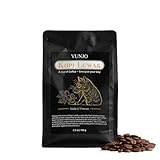 VUNJO Wild VUNJO Wild |
|
Check Latest Price |
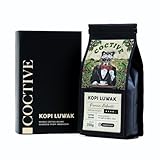 Kopi Luwak Gift Set Kopi Luwak Gift Set |
|
Check Latest Price |
Format: Whole Bean
Weight: 8.8 oz
Origin: Gayo Sumatra
Roast: Medium Dark
Rating: 4.3/5 from 1,076 reviews
Wallacea offers the largest package size among Kopi Luwak options at 8.8 ounces. Their whole bean format lets you grind fresh, which I recommend for any premium coffee to maximize flavor and aroma.
The “Certified Wild” claim indicates wild-sourced beans rather than caged production. However, the specific certification body isn’t clearly detailed, which is common but worth noting for ethical buyers.
With over 1,000 reviews averaging 4.3 stars, this has more customer feedback than any other Kopi Luwak product on Amazon. That volume of reviews provides some confidence in product consistency.
The medium dark roast and low acid profile make it accessible for coffee drinkers who find very light roasts too sour or very dark roasts too bitter.
Coffee enthusiasts wanting to try Kopi Luwak with a larger package size. Those who prefer grinding their own beans for maximum freshness.
Buyers requiring third-party welfare certification beyond the seller’s “Certified Wild” claim. Those concerned about caged civet production.
Format: Ground
Weight: 8.8 oz
Origin: Gayo Sumatra
Roast: Medium Dark
Rating: 4.3/5 from 1,076 reviews
This is the ground version of Wallacea’s Kopi Luwak. I typically recommend whole bean over ground for any coffee, but if you don’t have a grinder, this offers the same product in ready-to-brew form.
At $3.85 per ounce, it’s priced identically to the whole bean version. The convenience factor comes at the cost of faster staling once opened.
Use within 2-3 weeks of opening for best results, and store in an airtight container away from light and heat.
Coffee drinkers without a grinder who want convenience. Those who drink coffee quickly enough that ground bean freshness isn’t a major concern.
Coffee enthusiasts who understand that whole beans maintain freshness longer. Anyone with a quality grinder at home.
Format: Whole Bean
Weight: 3.5 oz
Origin: Sumatra
Claim: World's Most Exclusive
Rating: 4.3/5 from 782 reviews
This product positions itself as “The World’s Most Exclusive Coffee” with premium branding. The 3.5 ounce size makes it an expensive trial at over $9 per ounce, but it’s a smaller commitment if you’re just curious about Kopi Luwak.
The sustainably sourced claim suggests ethical production, but like other options, specific third-party verification isn’t prominently featured.
With 782 reviews averaging 4.3 stars, customer satisfaction is consistent with other wild-sourced options. The Sumatra origin is traditional for Kopi Luwak production.
Coffee lovers wanting to try Kopi Luwak without committing to a larger package. Gift buyers looking for premium presentation.
Budget-conscious buyers. Those who calculate price per pound and want better value.
Format: Ground
Weight: 3.5 oz
Origin: Sumatra
Rating: 3.9/5 from 267 reviews
The ground version of the premium Wild Kopi Luwak has a notably lower rating at 3.9 stars. With only 267 reviews, it has less customer feedback than other options, which might indicate lower sales volume.
The lower rating could stem from freshness issues inherent to ground coffee, or it might reflect variable quality. For a premium product like Kopi Luwak, consistency matters.
Those wanting the smallest possible trial size without a grinder.
Anyone wanting the highest-rated option. The whole bean version from the same brand has better reviews.
Format: Whole Bean
Weight: 8.8 oz
Origin: Vietnam
Roast: Medium
Rating: 4.2/5 from 265 reviews
MATINE offers a Vietnamese alternative to Indonesian Kopi Luwak. Vietnam has emerged as another source for civet coffee, though it’s less traditional than the Indonesian origins.
The 8.8 ounce size matches Wallacea’s offering, and the medium roast provides a different flavor profile compared to medium-dark roasts. At $3.75 per ounce, it’s slightly less expensive than some competitors.
The 4.2-star rating from 265 reviews indicates solid customer satisfaction, though the smaller review count suggests this is a newer or less popular option.
Those wanting to try Vietnamese civet coffee. Buyers looking for medium rather than medium-dark roast.
Purists who insist on Indonesian-sourced Kopi Luwak. Those wanting products with the most review history.
Format: Whole Bean
Weight: 3.5 oz
Origin: Vietnam
Roast: Medium
Rating: 4.2/5 (inherited)
Price: $18.99
At $18.99, this is the most affordable entry point for trying Kopi Luwak. The 3.5 ounce size makes it approachable as a trial purchase or gift.
Whole bean format maintains freshness better than ground options. The Vietnamese origin offers a regional variation from traditional Indonesian sources.
The product shares the 4.2-star rating of its larger sibling, though reviews are specifically for the brand rather than this exact size.
Coffee curious people wanting the lowest-cost introduction to Kopi Luwak. Gift shoppers on a budget.
Those calculating price per pound. This is the most expensive per ounce of all options at $5.43.
Format: Whole Bean
Weight: 3.5 oz
Origin: Vietnam
Roast: Medium
Rating: 3.7/5 from 28 reviews
VUNJO offers the lowest price point at $16.99 for 3.5 ounces. However, the 3.7-star rating from only 28 reviews raises questions about consistency.
For a premium product like Kopi Luwak, a limited review history makes it difficult to assess quality. The lower rating suggests some customers have been disappointed.
Budget shoppers willing to take a chance on a newer brand.
Those wanting proven quality. The low rating and few reviews are concerning for a premium product.
Format: Whole Bean
Weight: 8.8 oz
Origin: Gayo Sumatra
Packaging: Gift Set
Rating: 4.3/5 from 38 reviews
This option focuses on presentation with luxury gift set packaging. The 8.8 ounce size provides substantial product, and the 12% coupon brings the effective price down.
The 4.3-star rating is solid, though only 38 reviews provide limited feedback. This appears to be a newer product positioned specifically for the gift market.
Gift shoppers wanting impressive presentation. Those buying for coffee enthusiasts who value luxury branding.
Personal buyers who don’t need fancy packaging. Those wanting products with longer review histories.
Yes, Kopi Luwak is safe to drink. The beans are thoroughly washed after collection and then roasted at temperatures exceeding 400degF, which kills any bacteria. The roasting process makes the coffee completely safe for consumption despite its unusual origin.
Kopi Luwak costs $300-800 per pound because wild civets only excrete a small amount of beans, and collecting them is labor-intensive. Traditional wild sourcing produces less than 500 pounds annually worldwide. Limited supply plus high demand creates premium pricing.
Most Kopi Luwak sold today is not ethical. Caged civet farming involves inhumane conditions and force-feeding. Wild-sourced Kopi Luwak is better but still raises ethical concerns about habitat disruption. Animal welfare organizations recommend avoiding uncertified products entirely.
Authentic Kopi Luwak should cost $300-800 per pound for wild-sourced beans. Red flags include prices under $100 per pound, vague sourcing information, no third-party certification, and large available quantities. Some reputable sellers use DNA or chemical testing to verify authenticity.
Kopi Luwak typically tastes smooth with low bitterness, featuring notes of chocolate and caramel with a syrupy body. However, blind taste tests show many experts cannot distinguish it from high-quality regular coffee. Caged civet coffee generally tastes inferior to wild-sourced beans.
Yes, ethical alternatives include enzyme-processed coffees using lab-grown enzymes that mimic civet digestion, aged and fermented specialty coffees with similar flavor profiles, and certified humane coffees from transparent producers. These options avoid animal welfare concerns while offering unique flavors.
Kopi Luwak originates from Indonesia, specifically Sumatra, Java, Sulawesi, and Bali. Production has expanded to Vietnam, the Philippines, and Thailand. Indonesian Kopi Luwak remains the most traditional and sought-after origin.
For most coffee drinkers, Kopi Luwak is not worth the money. Blind taste tests consistently show experts cannot distinguish it from premium regular coffee. The high price pays for the story and novelty rather than clearly superior taste. Ethical concerns also make it difficult to recommend.
Kopi Luwak remains one of the coffee world’s most fascinating and controversial products. The story of coffee passing through a civet captures imagination, but the reality of the industry is troubling.
After researching this topic thoroughly, I believe most consumers should either skip Kopi Luwak entirely or seek out verified wild-sourced options from transparent sellers. The counterfeit market is vast, and animal welfare concerns are serious.
If you do choose to buy, use this guide to identify red flags and avoid counterfeits. Remember that authentic wild-sourced Kopi Luwak costs $300-800 per pound. Anything significantly cheaper is likely fake or produced unethically.
For coffee lovers seeking unique experiences, consider exploring ethically-produced specialty coffees from around the world. You might find more satisfaction in a perfectly roasted Ethiopian Yirgacheffe or Panamanian Geisha than in a disappointing cup of counterfeit civet coffee.