
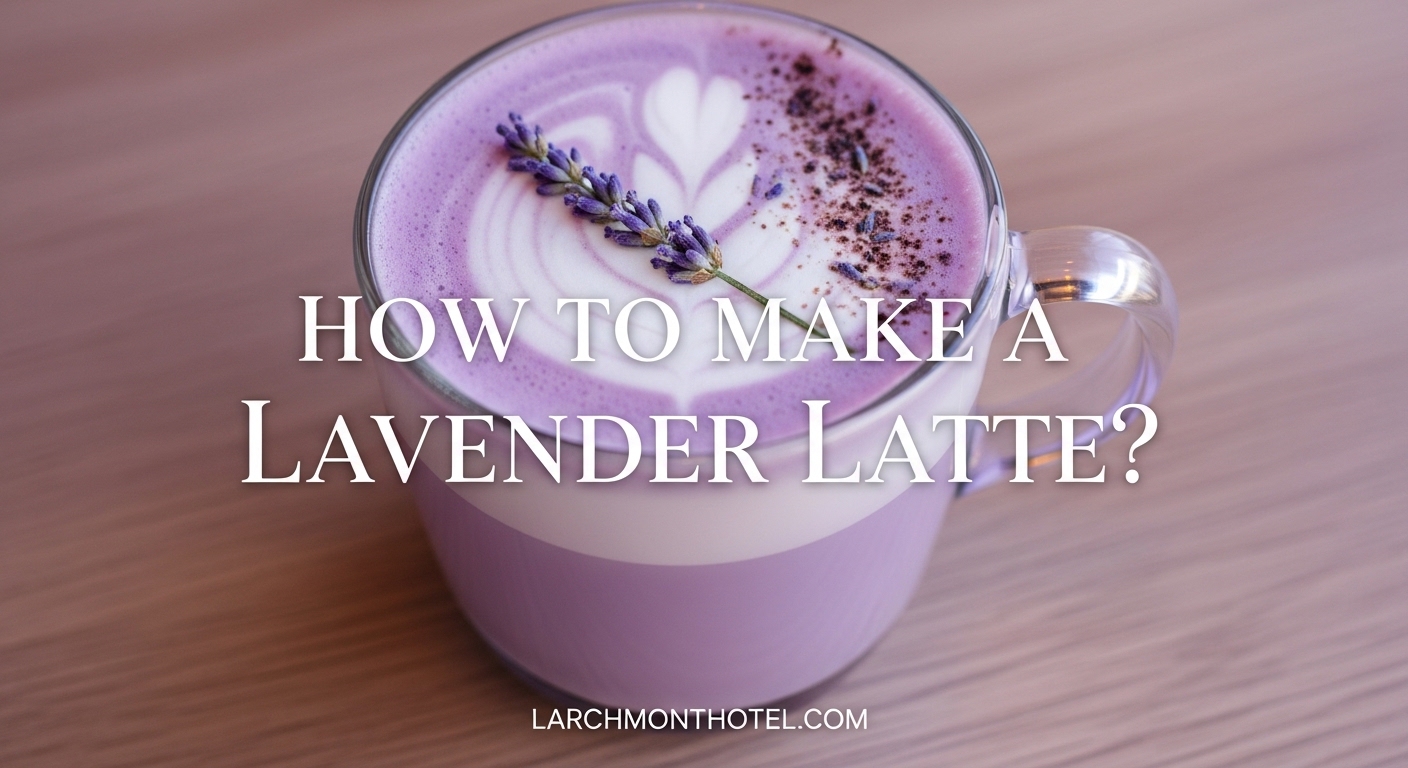
There’s something magical about the combination of floral lavender and rich, creamy espresso.
A lavender latte is a fragrant, floral coffee drink made with espresso, steamed milk, and lavender-infused syrup. It combines the bold flavor of coffee with delicate floral notes for a uniquely comforting beverage.
After testing various methods over the past year, I’ve found that making your own lavender syrup is the key to achieving that perfect cafe-style flavor at home.
In this guide, I’ll walk you through everything you need to know to create the perfect lavender latte in your own kitchen.
A lavender latte is a floral twist on a classic latte that combines espresso or strong coffee with lavender-infused sweetness and steamed milk. The drink gets its signature flavor from culinary lavender buds, which impart a subtle floral aroma and taste without being overpowering.
When made correctly, a lavender latte balances the boldness of coffee with the calming properties of lavender. The flavor profile is creamy, slightly sweet, and distinctly floral without tasting like perfume.
Lavender lattes became popular in specialty coffee shops during 2026 as part of the broader trend toward functional and floral beverages. They offer both visual appeal with their light purple hue and complex flavor layers.
The first time I tried a lavender latte at a local cafe, I was surprised by how balanced it tasted. The floral notes are subtle and aromatic, complementing rather than overwhelming the coffee flavor.
You’ll notice a creamy sweetness from the milk and syrup, followed by the gentle lavender aftertaste. It’s not unlike drinking a regular vanilla latte, but with a sophisticated floral twist that makes each sip interesting.
The key is using the right amount of lavender. Too much creates a bitter, soapy taste. Too little and you won’t notice the floral notes at all.
Before diving into the recipe, let’s gather everything you’ll need. I’ve learned through experience that having ingredients prepped and tools ready makes the process much smoother.
The secret to an incredible lavender latte is homemade syrup. Store-bought options work in a pinch, but making your own allows you to control the flavor intensity.
This simple syrup takes about 10 minutes to prepare and keeps in your refrigerator for up to a month. I always make a batch on Sunday to use throughout the week.
Pro Tip: If your syrup tastes too weak, return it to the saucepan with more lavender buds and simmer for another 5 minutes. If it’s too strong, dilute with equal parts water and sugar.
Now that you have your lavender syrup ready, let’s make the latte. This process takes about 5 minutes from start to finish.
Important: Never use lavender from your garden unless you’re certain it’s culinary-grade and hasn’t been treated with pesticides. Ornamental lavender can taste bitter and may not be safe for consumption.
Don’t have an espresso machine? No problem. I’ve tested multiple methods and found some great alternatives.
Strong brewed coffee method: Brew coffee at double strength using a French press or pour-over. Use twice the amount of coffee grounds you normally would. This creates a bold base that holds up well against the lavender.
Moka pot method: The Moka pot produces espresso-like coffee that’s perfect for lattes. Fill the basket with fine-ground coffee and brew according to the pot’s instructions. You’ll get a rich, concentrated coffee that works beautifully.
Instant espresso powder: For the easiest method, dissolve 1-2 teaspoons of instant espresso powder in 1/4 cup hot water. It won’t have the complexity of fresh espresso, but it works in a pinch.
The quality of your ingredients makes a significant difference in the final result. After making hundreds of lavender lattes, I’ve found some products that consistently deliver excellent results.
Not all lavender is created equal. English lavender (Lavandula angustifolia) is the preferred variety for cooking and baking. It has the sweetest, most delicate flavor profile.
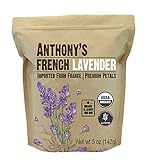
Type: Organic French Lavender
Size: 5 oz package
Grade: Extra Grade
Features: Gluten Free, Non GMO
Best For: Lattes and baking
If you’re short on time or want to skip the syrup-making step, quality pre-made lavender syrups are available. Torani makes a reliable option that many coffee shops use.

Type: Lavender Flavored Syrup
Size: 25.4 Fl Oz bottle
Features: Coffee shop quality,Easy pour cap
Best For: Quick latte preparation
A good milk frother makes all the difference in creating that cafe-quality texture. Handheld frothers are affordable, portable, and surprisingly effective.
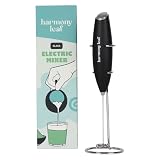
Type: Handheld Electric Frother
Material: Stainless Steel
Power: Battery operated
Includes: Storage stand
Best For: Home latte and cappuccino making
Once you’ve mastered the basic recipe, try these variations. I’ve tested each one multiple times to get the ratios right.
Perfect for warm weather days. Brew your espresso and let it cool slightly. Add lavender syrup to a glass filled with ice, pour over the espresso, and top with cold milk. Stir well before drinking. The iced version is slightly less sweet, so you may want to add an extra 1/2 teaspoon of syrup.
Add an extra shot of espresso to create a “dirty” version with a stronger coffee kick. This variation is perfect for morning caffeine needs when you still want the floral notes. The extra espresso stands up nicely to the lavender without overpowering it.
Oat milk is my top recommendation for dairy-free lavender lattes. It has a natural creaminess that froths well and a neutral flavor that complements the lavender. Almond milk works but can be thinner, while coconut milk adds its own flavor that may compete with the lavender.
Replace the sugar in your syrup with honey for a more complex sweetness. Honey’s floral notes pair beautifully with lavender. Use a 1:1 ratio of honey to water, and reduce the heat when simmering to prevent burning.
One of the best things about lavender lattes is that you can prep components in advance. I make syrup in batches and store individual portions of espresso in the refrigerator for busy mornings.
Time Saver: Pre-portion your lavender syrup into an ice cube tray and freeze. Pop out a cube (about 1 tablespoon) and add directly to hot espresso. No measuring required.
After teaching dozens of friends to make lavender lattes, I’ve identified the most common problems and their solutions.
| Problem | Likely Cause | Solution |
|---|---|---|
| Latte tastes bitter | Too much lavender or over-steeping | Reduce lavender to 1/2 tablespoon or steep for 5 minutes less |
| No lavender flavor | Not enough syrup or weak infusion | Add another 1/2 teaspoon syrup or make stronger syrup |
| Syrup too thick | Too much sugar or over-reduction | |
| Milk won’t froth | Milk too cold or wrong type | |
| Soapy taste | Wrong lavender variety |
I tracked my costs over three months of daily lavender latte consumption. The savings were significant.
Coffee shop lavender latte: $5.50 – $6.50 per drink
Homemade version: approximately $0.75 – $1.00 per drink
That’s a savings of $4-5 per latte. If you drink one daily, you’ll save over $1,500 per year. Even accounting for the initial investment in quality ingredients and tools, the homemade version pays for itself quickly.
Yes, culinary lavender is safe to consume in moderate amounts. However, there are some important guidelines to follow.
Only use lavender labeled as culinary-grade or food-safe. Lavender from florists or gardens may contain pesticides and isn’t intended for consumption. Stick to reputable brands that test for purity.
Pregnant women should consult their healthcare provider before consuming lavender regularly. While culinary amounts are generally considered safe, it’s always best to check with your doctor.
Start with small amounts to see how your body responds. Some people are more sensitive to lavender than others. If you experience any adverse effects, discontinue use.
English lavender (Lavandula angustifolia) is the best variety for lattes. It has the sweetest, most delicate flavor and is specifically grown for culinary use. Avoid ornamental varieties which can taste bitter.
A lavender latte contains the same amount of caffeine as a regular latte. A single shot has approximately 63mg of caffeine, while a double shot has around 125mg. The lavender syrup doesn’t affect caffeine content.
Starbucks has offered lavender lattes as seasonal limited-time offerings, particularly during spring. Availability varies by region and time of year. You can recreate a similar version at home using this recipe.
You can use fresh lavender, but reduce the amount by half since fresh herbs are more potent. Also, fresh lavender can be more bitter than dried, so steep for a shorter time of 5-7 minutes.
Lavender essential oil is not recommended for lattes. It’s extremely concentrated and can be unsafe if ingested. Stick to culinary lavender buds or food-grade lavender extract designed for consumption.
Homemade lavender syrup lasts 2-3 weeks in the refrigerator when stored in an airtight container. If you notice any mold growth, off smells, or significant texture changes, discard and make a fresh batch.
Making a lavender latte at home is easier than you might think, and the results are incredibly rewarding. After perfecting this recipe over dozens of attempts, I can confidently say it rivals anything you’ll find at a specialty coffee shop.
Start with quality ingredients, especially the lavender, and don’t be afraid to adjust the syrup strength to your taste. The beauty of homemade is that you can customize every element to create your perfect cup.
Whether you’re starting your morning with a calming ritual or winding down in the afternoon, a well-made lavender latte offers a moment of tranquility in a busy day. Enjoy the process and the delicious results.