

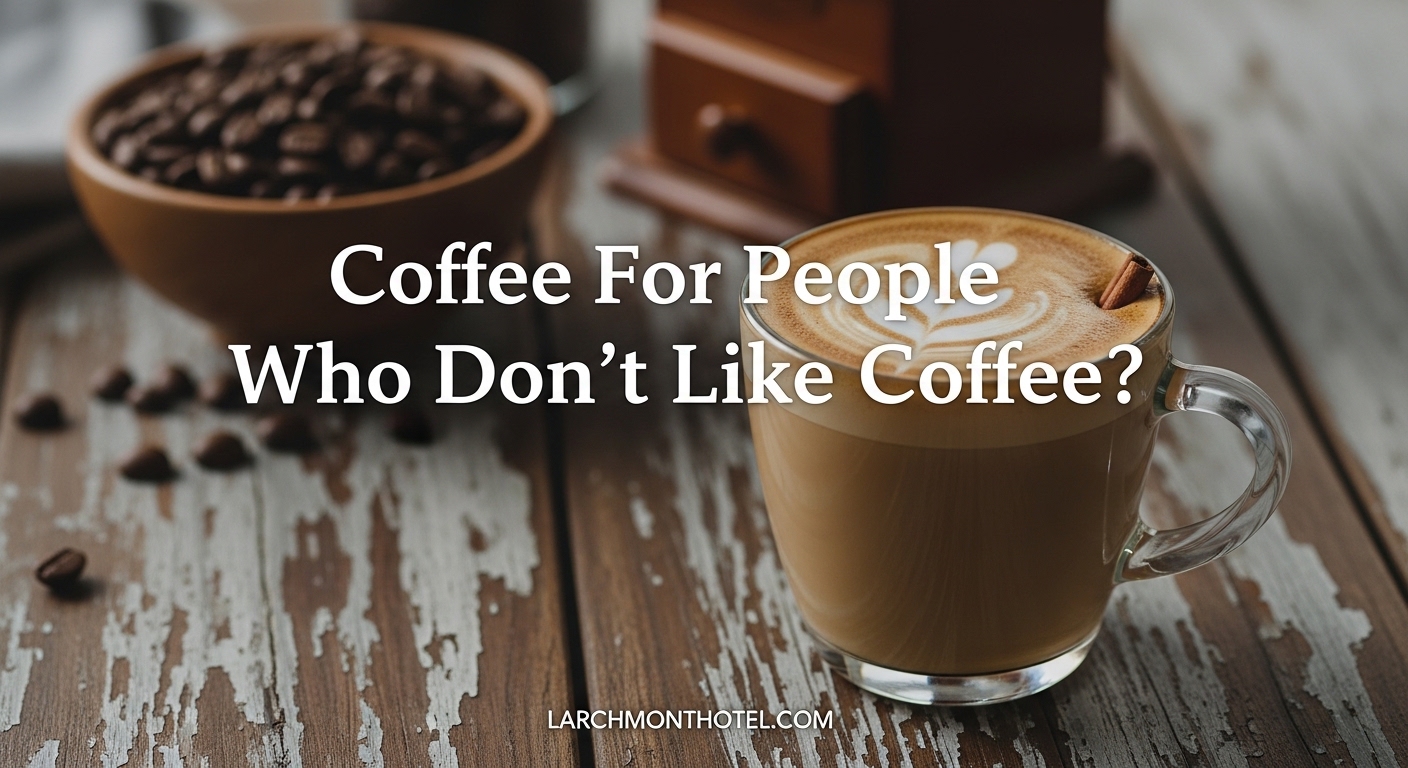
You’re surrounded by coffee lovers. Your friends post aesthetic latte photos on Instagram. Your colleagues schedule every meeting at coffee shops. Meanwhile, you take one sip and wonder how anyone enjoys this bitter, acidic beverage.
Coffee for people who don’t like coffee exists. Start with a vanilla latte or mocha. These drinks prioritize milk, sugar, and flavors over coffee taste.
I’ve been there. Watching everyone effortlessly enjoy their morning ritual while I forced down bitter sips made me feel like I was missing something fundamental. After years of experimentation and talking to countless non-coffee drinkers who successfully converted, I discovered it’s not about forcing yourself to like traditional coffee.
It’s about finding the right entry point.
In this guide, I’ll show you exactly what to order, how to customize drinks, and which approaches actually work for building a genuine coffee appreciation over time.
Coffee naturally contains bitter compounds. The main culprits are caffeine and chlorogenic acid. These substances trigger your bitter taste receptors and create that sharp, unpleasant sensation many people describe as medicinal or burnt.
Acidity compounds the problem. Light and medium roasts contain fruit acids that can taste sour or sharp to unaccustomed palates. This acidity creates that unpleasant aftertaste lingers long after you swallow.
Roast level dramatically affects bitterness. Dark roasts develop bitter, charred flavors during longer roasting. Light roasts emphasize acidity. The sweet spot for most beginners falls in the medium range.
Your genetics play a role too. Some people possess more sensitive bitter taste receptors than others. If you strongly dislike dark chocolate, Brussels sprouts, or grapefruit, you’re likely a “supertaster” who experiences bitter flavors more intensely.
Science Fact: Coffee contains over 1,000 aroma compounds, but only about 20-30 significantly impact flavor. The rest create subtle notes that trained palates detect but beginners rarely notice.
Mild coffee options exist. Start with blonde or light roast coffee from Latin American regions. These beans naturally contain less bitter compounds and feature smoother, nuttier flavors rather than harsh notes.
Blonde roast specifically roasts coffee beans for a shorter time at lower temperatures. This preserves natural sugars and minimizes bitter compound development. Starbucks Blonde Roast and Dunkin’s Original Blend represent popular examples of this beginner-friendly approach.
Cold brew significantly reduces perceived bitterness. The cold water extraction process extracts 67% less acid than hot brewing methods. This scientific difference explains why cold brew tastes smoother even using the same beans.
| Roast Level | Bitterness | Acidity | Best For |
|---|---|---|---|
| Blonde/Light | Low | High | Beginners who dislike bitterness |
| Medium | Medium | Medium | Balanced flavor introduction |
| Dark | High | Low | Experienced coffee drinkers |
Brewing method matters as much as bean selection. French press produces smoother coffee than drip by filtering out sediment. Pour-over methods highlight subtle flavors rather than harsh notes. Avoid espresso machines initially—the concentrated intensity overwhelms beginners.
Bean origin influences flavor profile. Latin American beans (Colombia, Brazil, Guatemala) typically offer mild, nutty, chocolate notes. African beans (Ethiopia, Kenya) feature fruity, floral flavors that some beginners find challenging. Southeast Asian beans (Sumatra, Vietnam) tend toward earthy, spicy profiles.
Flavored coffee transforms the drinking experience. Vanilla, caramel, and hazelnut syrups completely transform coffee’s profile. These additions don’t just mask bitterness—they create entirely new flavor combinations that resemble desserts.
Vanilla represents the most universally appealing coffee flavor. The sweet, creamy notes complement rather than compete with coffee. A vanilla latte contains enough espresso to provide caffeine and coffee essence, but enough milk and syrup to make it genuinely enjoyable.
Caramel adds buttery richness. The toffee-like notes pair perfectly with steamed milk. I’ve seen hardcore coffee skeptics voluntarily order caramel lattes after discovering this combination. The key lies in asking for extra caramel drizzle both inside and on top.
Hazelnut creates a nutty, comforting profile. This flavor particularly appeals to people who enjoy nut butters or baked goods. The nutty notes bridge the gap between familiar flavors and coffee’s natural characteristics.
Pro Tip: Ask for “half sweet” when ordering flavored drinks. Most coffee shops default to excessive sweetness. Half pumps provide flavor without overwhelming sugar.
Sweet coffee drinks genuinely resemble desserts. A mocha combines espresso, chocolate syrup, and steamed milk. The chocolate dominates the flavor profile while coffee provides subtle depth and caffeine. Many people who hate coffee enthusiastically enjoy mochas.
Lattes contain more milk than any other coffee drink. A standard latte uses one shot of espresso with 10-12 ounces of steamed milk. This high milk-to-coffee ratio significantly dilutes the coffee taste. Add vanilla or caramel syrup, and you have a barely-coffee beverage.
Milk choice dramatically affects drink experience. Whole milk creates the creamiest, most indulgent result. Oat milk has gained popularity for its naturally sweet flavor and smooth texture. Almond milk adds subtle nuttiness. Non-fat milk unfortunately increases coffee’s relative prominence.
Whipped cream transforms any drink into dessert. Many coffee shops add whipped cream upon request. This addition creates a frappuccino-like experience even with hot drinks. The cream slowly melts into the coffee, gradually increasing sweetness throughout your drinking experience.
Cold brew tastes significantly less bitter than hot coffee. Science backs this perception. Cold water extraction extracts far fewer bitter compounds and acids than hot brewing. The result tastes smoother, sweeter, and more approachable even using the exact same beans.
Iced lattes combine the benefits of cold brew with extra milk. The espresso gets poured over ice, then milk fills the glass. The cold temperature naturally numbs bitter taste receptors. The milk adds creaminess that masks harsh flavors.
Frappuccinos and blended drinks barely qualify as coffee. These frozen beverages contain coffee, but the dominant flavors come from sugar, milk, ice, and flavored syrups. A Starbucks Caramel Frappuccino contains minimal actual coffee taste despite the caffeine content.
Quick Summary: Cold brew reduces acidity by 67% compared to hot brewing. If hot coffee tastes too harsh or acidic, try cold brew. The smoother profile might completely change your perception.
Temperature affects taste perception. Cold beverages naturally stimulate fewer bitter receptors than hot ones. The same coffee that tastes unpleasant hot might taste perfectly acceptable iced. This explains why many people enjoy iced coffee but cannot tolerate it hot.
Coffee shops increasingly offer nitro cold brew. Nitrogen infusion creates a creamy, cascading texture similar to Guinness beer. The smooth mouthfeel masks bitterness while creating a more indulgent drinking experience. The nitrogen also naturally sweetens the coffee without adding sugar.
Starbucks offers several beginner-friendly options. The Caramel Ribbon Crunch Frappuccino contains enough sugar and caramel to mask virtually all coffee taste. The Vanilla Bean Frappuccino contains zero coffee—perfect when you want the Starbucks experience without caffeine.
For hot drinks, try the Caramel Macchiato. Order it with extra caramel drizzle. The layered drink starts with sweet vanilla syrup at the bottom, followed by steamed milk, then espresso shots on top. Mix it completely before drinking to distribute the flavors evenly.
| If You Want… | Order This | Customization |
|---|---|---|
| Sweetest option | Caramel Ribbon Crunch Frappuccino | Extra caramel drizzle |
| Chocolate lover | Java Chip Frappuccino | Extra mocha drizzle |
| Creamy hot drink | Vanilla Latte | Extra pump of vanilla |
| Cold option | Iced Caramel Macchiato | Extra caramel |
Dunkin provides its own beginner-friendly options. The Frozen Chocolate is essentially a chocolate milkshake with coffee. The Caramel Swirl Frozen Coffee combines caramel swirl with coffee that’s barely detectable through the sweetness. For hot options, the Caramel Latte with extra caramel swirl masks bitterness effectively.
Local coffee shops often offer more flexibility than chains. Baristas at independent cafes typically customize drinks more enthusiastically. Explain that you don’t like coffee’s taste. Ask for their mildest, sweetest creation. Many will create off-menu drinks tailored to your preferences.
Time Saver: Memorize this phrase: “I don’t like coffee’s taste, what’s your sweetest, mildest drink?” Baristas hear this daily and will immediately recommend their most beginner-friendly option.
Learning to enjoy coffee requires gradual progression. Start with drinks that barely contain coffee flavor. Each week or two, decrease sweetness slightly or choose a drink with stronger coffee presence. Your palate adapts over time.
The timeline varies individually. Some people require months rather than weeks. Others successfully transition within days. The key involves listening to your palate rather than forcing the process. If a step feels unpleasant, return to the previous stage for another week.
I’ve watched dozens of friends complete this progression. One former coworker started with daily caramel frappuccinos. Three months later, she genuinely enjoyed black coffee. The transformation happened gradually through small adjustments rather than dramatic changes.
Coffee alternatives can bridge the gap during your taste acquisition journey. Chai lattes provide caffeine and coffee shop atmosphere without any coffee taste. Hot chocolate offers comfort during winter months. Matcha lattes provide energy plus the cafe experience without coffee’s flavor profile.
Blonde or light roast coffee from Latin American regions offers the mildest flavor profile. These beans contain fewer bitter compounds and feature smooth, nutty notes. Cold brew also significantly reduces perceived bitterness and acidity.
Mochas contain the most chocolate and least prominent coffee flavor. The combination of chocolate syrup, milk, and whipped cream masks almost all coffee taste. Frappuccinos and blended drinks also minimize coffee presence through high sugar and milk content.
Yes. Cold brew extraction produces 67% less acid than hot brewing methods. The cold water extracts fewer bitter compounds, resulting in a smoother, sweeter taste profile. The same coffee beans taste noticeably less bitter when cold brewed.
The Caramel Ribbon Crunch Frappuccino ranks among the sweetest options. Multiple caramel syrup pumps, caramel drizzle, whipped cream, and caramel crunch topping create an intensely sweet beverage. The Java Chip Frappuccino also provides extreme sweetness through chocolate.
Blonde or light roast coffee contains the least bitterness. These beans roast for shorter times at lower temperatures, preserving natural sugars and minimizing bitter compound development. Dark roasts actually contain more bitter, charred flavors.
Order a vanilla latte or mocha with extra flavor syrup. These drinks contain more milk and sugar than coffee, masking the bitter taste. Alternatively, ask the barista for their sweetest, mildest drink—they hear this request daily.
Start with a mocha or vanilla latte. These drinks offer the gentlest introduction to coffee culture through familiar flavors. Don’t force yourself to enjoy black coffee—plenty of coffee enthusiasts exclusively drink sweet, milky beverages.
Experiment with different combinations. Try cold brew if hot coffee tastes too harsh. Sample various flavors at your local shop. The perfect coffee for you exists, even if it’s disguised as dessert.
Remember that acquired tastes develop gradually. I went from coffee hater to daily drinker over months, not days. Begin where you are comfortable, progress at your own pace, and enjoy the journey into coffee culture on your terms.