

The best light pollution filters for astrophotography fall into three families. Dual-band and narrowband filters (Optolong L-eEnhance, L-Extreme, Astronomik CLS) win on emission nebulae from bright skies. Broadband CLS filters keep star colour for galaxies. Neutral night and didymium lens filters tame sodium skyglow on a normal zoom. Pick the family first, then the size.
That sounds simple until you notice how much of the filter advice online ignores the two things that actually decide the outcome: how bright your sky is, and what kind of camera sits at the back of the telescope. A CLS filter that flatters a Bortle 4 rural site can do almost nothing on a Bortle 8 suburb, and a 3nm narrowband set that wrecks galaxy colour will transform a glowing emission nebula.
We spent 2026 reading the specification sheets, customer reviews and forum threads for the 12 filters below, and mapping each one to the target it was built for. Nothing here is ranked on price. Each pick carries the transmission figures, bandpass behaviour and mount format that decide whether it will fit your rig and survive your sky.
If you are starting from scratch rather than upgrading, our beginner guide to pool filtration covers the same idea in a different discipline: match the media to the contaminant instead of buying the biggest option available.
Last updated 2026. Selection method: every pick is a filter currently sold for optical astronomy use, listed with verified bandpass or transmission data from the manufacturer or the product record. Review counts and ratings shown on each card are copied from the live listing at the time of writing.
There is no single winner because the right filter depends on your target and your sky. For emission nebulae shot with a one-shot colour camera under heavy suburban skyglow, a dual-band narrowband filter is the answer. For galaxies, reflection nebulae and star fields where star colour must stay natural, a broadband CLS or L-Pro filter preserves the full visible spectrum. For Milky Way nightscapes taken on an unmodified zoom lens, a neutral night or didymium glass filter suppresses sodium and mercury glow without shifting colour.
The short version, by target:
Emission nebulae from a bright sky: dual-band narrowband, Ha plus O-III pass, 7nm or wider if your optics are fast.
Galaxies and broadband colour: CLS or L-Pro style broadband, which blocks the pollutant lines while passing most visible light.
Milky Way on a camera lens: neutral night or didymium filter, chosen for thin frame width and neutral colour rendering.
Visual observing through an eyepiece: a 1.25 inch or 2 inch UHC filter, which is a different product class from anything you would put on a camera.
Two questions settle the rest: is your camera one-shot colour or monochrome, and how bright is your sky on the Bortle scale? Everything else is fine-tuning.
These three cover the most common rigs. The HOYA STARSCAPE is the safest single purchase for a camera on a lens, the Optolong L-eEnhance handles fast optics that a tight bandpass would otherwise smear, and the Optolong L-Extreme is the most aggressive narrowband option in the list.


The table below lists all 12 filters in this roundup with their defining characteristics. Bandpass width and transmission are the two numbers worth reading first, because they decide how much signal reaches your sensor.
| Product | Specifications | Action |
|---|---|---|
| HOYA 52mm STARSCAPE |
|
Check Latest Price |
| Optolong 2 inch L-Enhance |
|
Check Latest Price |
| Optolong L-Extreme 7nm |
|
Check Latest Price |
 Optolong 2 inch L-Pro Optolong 2 inch L-Pro |
|
Check Latest Price |
 Optolong L-Quad Enhance Optolong L-Quad Enhance |
|
Check Latest Price |
 SVBONY SV220 7nm SVBONY SV220 7nm |
|
Check Latest Price |
 SVBONY SV240 SVBONY SV240 |
|
Check Latest Price |
 SVBONY CLS 1.25 inch SVBONY CLS 1.25 inch |
|
Check Latest Price |
 K&F CONCEPT 67mm Natural Night K&F CONCEPT 67mm Natural Night |
|
Check Latest Price |
 SVBONY 1.25 inch UHC SVBONY 1.25 inch UHC |
|
Check Latest Price |
 Astromania 2 inch UHC Astromania 2 inch UHC |
|
Check Latest Price |
 Celestron UHC/LPR 1.25 inch Celestron UHC/LPR 1.25 inch |
|
Check Latest Price |
Artificial skyglow is not a smooth wash of extra light. Sodium vapour lamps emit strongly around 589nm, mercury vapour around 435nm and 578nm, and modern LED street lighting spreads broad peaks through the green and blue. A light pollution filter is simply a piece of coated glass with dips in its transmission curve at those unwanted wavelengths.
Narrowband filters pass a single emission line, usually H-alpha at 656.3nm or O-III at 500.7nm, and block everything else. Bandpass width matters enormously here: a 3nm filter is extremely selective and needs slow, well-corrected optics to deliver a focused star, while a 7nm filter is far more forgiving and works on fast Newtonians and short refractors.
Dual-band filters pass H-alpha and O-III simultaneously in one optical element. This is why they dominate one-shot colour imaging: an OSC camera records both lines in a single sub, so you never need to combine separate mono exposures, and the strong continuum rejection drops the sky background dramatically.
Broadband filters such as CLS and L-Pro designs notch out the sodium and mercury lines but still pass most of the visible spectrum. The SVBONY CLS in this list quotes 90% transmission at H-alpha, O-III, S-II and H-beta, against 0.1% transmission at the sodium and mercury pollution lines. That wide pass is why broadband filters keep star colour and galaxy structure intact.
Neutral night and didymium filters are built for camera lenses rather than telescopes. They absorb the yellow-orange sodium and mercury glow while remaining colour-neutral, which is why they suit a Milky Way arc shot on a wide zoom where a CLS filter would swing the whole frame green.
Visual UHC filters are a separate category. A 1.25 inch UHC filter sits in the eyepiece, is designed for the human eye rather than a sensor, and usually produces a strong colour cast that nobody would want in a photograph. Reviews consistently warn against photographing through a visual filter.
The Bortle scale runs from 1 (a genuinely dark site) to 9 (inner city). For filters, the meaningful divide sits around class 6. Below that, skyglow is low enough that broadband or no filter works well. Above it, the pass bands stop mattering as much as the depth of the cut between them.
Bortle 3 to 4: rural and exurban skies. A broadband CLS or a neutral night lens filter makes a modest difference and adds nothing to a narrowband workflow. Shoot unfiltered or broadband and put your time into integration instead.
Bortle 5 to 6: bright suburban and outer suburban. This is the range where broadband filters start to earn their place. CLS designs visibly darken the background on galaxies, and dual-band filters bring emission nebulae forward. A visual UHC filter shows a real gain here too.
Bortle 7: inner suburban. Broadband filters still help but lose ground against LED lighting, which sits on broad, shallow peaks that a notch filter cannot cleanly remove. Dual-band narrowband is the reliable choice for emission targets.
Bortle 8 to 9: city and inner city. This is where narrowband earns its price. Dual-band filters at 7nm or tighter can work under a bright sky dome and even under moonlight, because the sky background between the emission lines is blocked almost completely. Broadband filters under these conditions mostly shift colour rather than reduce skyglow, and experienced imagers on Cloudy Nights routinely advise against CLS and UHC-style broadband filters in heavily polluted skies for exactly that reason.
Didymium glass
97%+ light transmission
Low-profile aluminium ring
52mm thread
The HOYA STARSCAPE is the filter we would hand to someone who wants one purchase that works. It sits in the lens thread on a mirrorless body or DSLR, uses didymium glass to absorb the yellow-orange sodium and mercury glow, and passes 97% or more of the light that reaches it. Nothing about it is dramatic; it just makes every subsequent exposure cleaner.
For Milky Way work on a normal zoom lens this is close to the ideal tool. Because the glass is neutral rather than aggressively tinted, your white balance stays roughly where you set it and the core of the band comes out white-blue instead of green. Reviewers consistently describe it as a default filter rather than a specialist one.
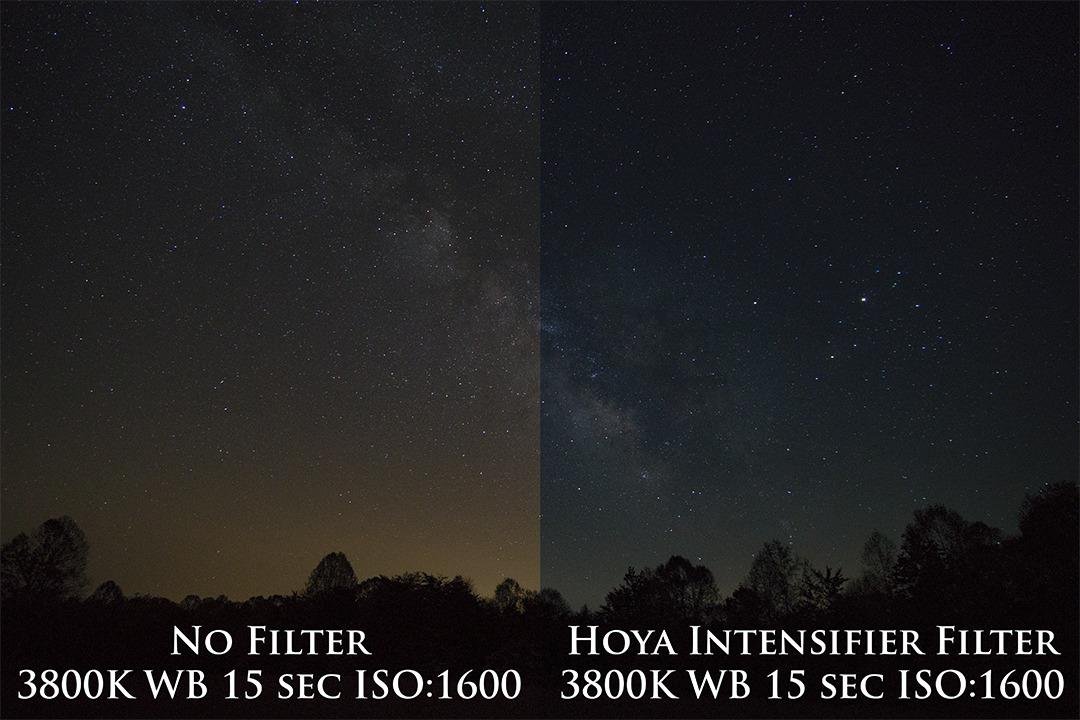
What surprised me most is how well it behaves on unmodified cameras. The strong absorption at sodium wavelengths pulls faint red emission nebula signal forward in a way that requires no astro modification at all. Long suburban exposures come back with a deeper sky and less colour cast than unfiltered frames of the same length.
The quoted 97%+ transmission figure is the number to remember. Because so much light still gets through, your exposure times stay close to unfiltered values, which matters enormously when you are stacking several hours of data from a backyard.

It should not. The ring is described as low profile with no vignetting effect on ultra-wide lenses, which is the design goal of every thin-frame night filter. On a very fast lens in the 14mm to 20mm range, check the actual thread size before buying, because a 52mm filter will not fit a 49mm thread and a step-up ring adds thickness you were trying to avoid.
A few users report spurious reflections and rainbow arcs around bright stars with some telephoto lenses, particularly when a bright star sits near the edge of the frame. If you shoot star fields with a long focal length zoom, test a bright star before committing to a long integration.
Ha plus H-beta/O-III dual narrowband pass
Multiple anti-reflective coatings
2 inch M48x0.75 thread
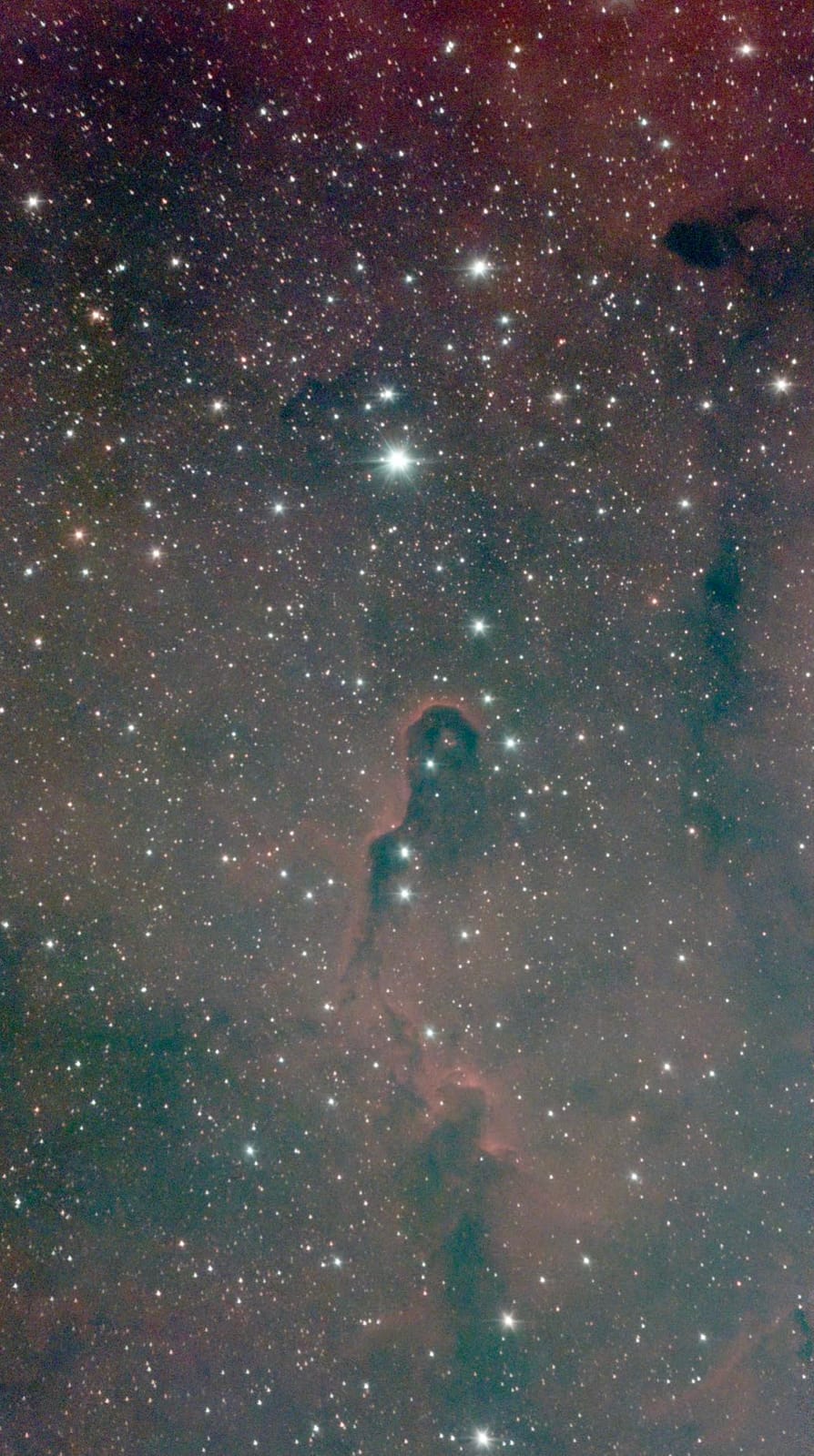
The L-eNhance is the filter most people mean when they say dual narrowband. It passes H-alpha and the H-beta/O-III region in a single element, which is exactly what an OSC camera needs to capture a full colour emission nebula in one set of subs without any filter-wheel changes.
Its distinguishing trait is bandpass width. Optolong made this one deliberately wide so that fast optical systems do not smear the star field. If you shoot with a fast refractor, a RASA or a short-tube Newtonian, that tolerance is the difference between usable data and a mess of colour fringes.
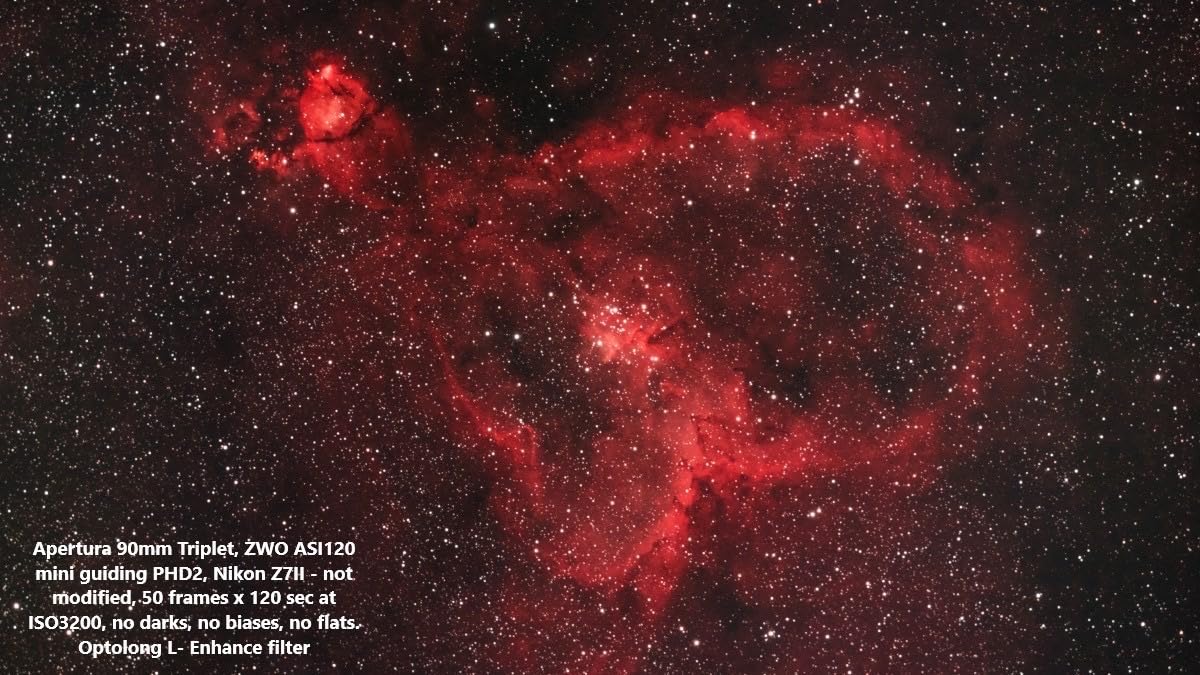
Imagers running from Bortle 5 upward report a marked improvement in nebula detail and colour. The filter also gets mentioned in the context of achromatic refractors, where the blue halos around bright stars are an optical problem rather than a filter problem, and the filter helps isolate the nebula signal anyway.
Focusing deserves a note. A filter that rejects this much light makes the focuser position easier to get wrong, but users report clean focus with a Bahtinov mask, which removes the guesswork.
Yes, provided the thread matches. This model has a 2 inch M48x0.75 thread, which is the common thread on reducers and camera adapters, but you need a step ring if your reducer exits at a different diameter. Measure before you order.
Considerably more than unfiltered. Reviewers name longer exposures and higher total integration as the standard caveat, because the filter blocks a large share of the light. If you are stacking for only a couple of hours, the signal-to-noise gain may not repay the time cost.
7nm dual narrowband H-alpha and O-III
Multi coating
2 inch thread, 48mm
The L-Extreme is the aggressive end of the dual-band range. At 7nm it sits much closer to the single-line filters, which means a deeper cut between the emission lines and a correspondingly darker sky background. It is the version to reach for when a 589nm street lamp dome is ruining every sub.
Optolong positions it specifically for imaging under man-made light pollution and moonlight, and for one-shot colour cameras. That combination is unusual, because most tight narrowband sets assume a monochrome camera and a filter wheel. This one is built for the single-filter case.
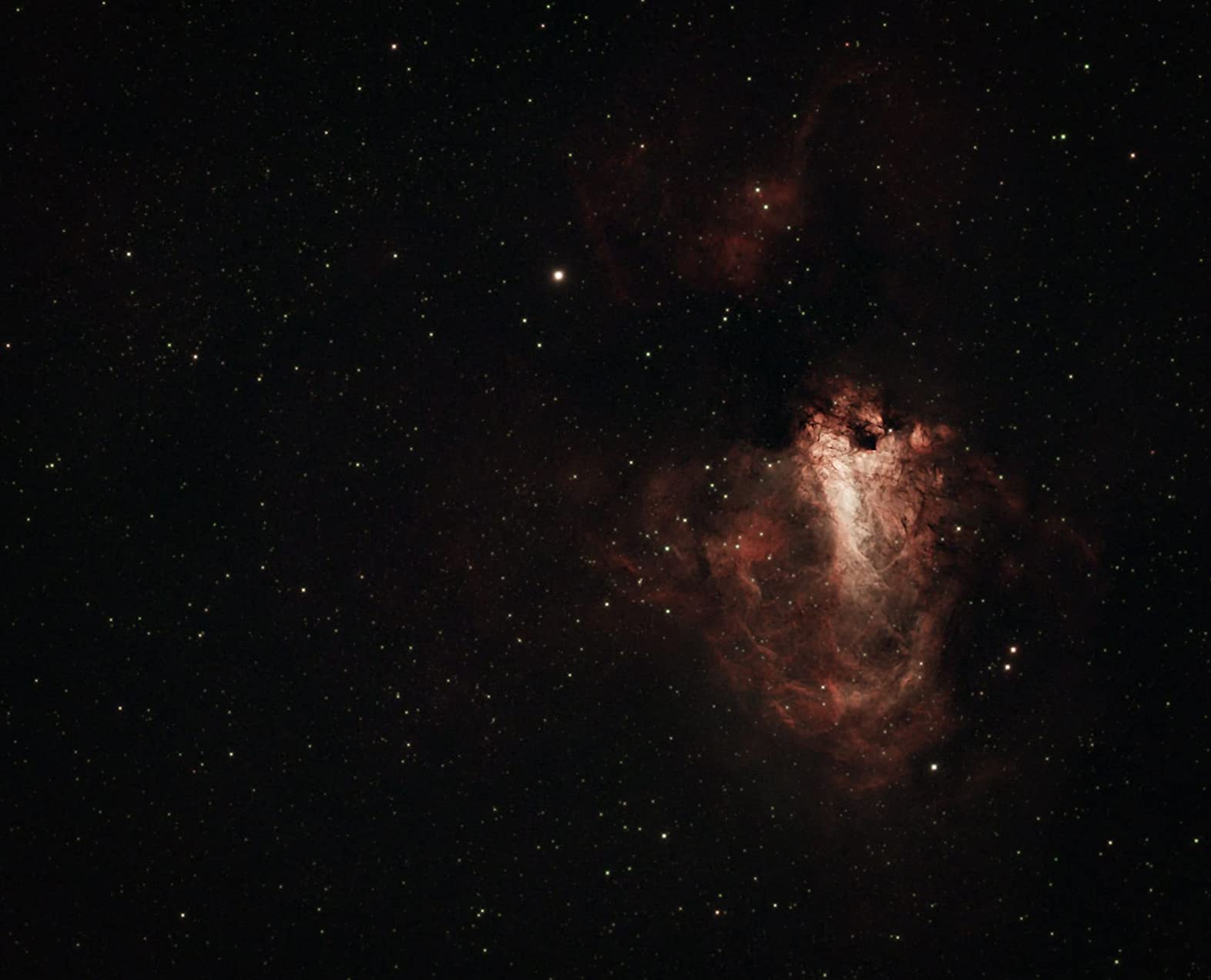
Owners imaging from bright suburban skies report clean, contrasty one-shot colour results and treat the tight pass as decisive under heavy light pollution and moonlight. When the sky background between lines is essentially gone, stacking fewer subs still yields a usable frame.
The trade-off is direct. A 7nm pass at both H-alpha and O-III means very little broadband light gets through, so anything that is not an emission nebula, such as a galaxy or a reflection nebula, comes back very dark.
Yes. It was designed for that case. If you were planning to shoot SHO from separate H-alpha, O-III and S-II exposures, you would want separate single-line filters instead, since combining a dual-band filter with a monochrome camera gives you overlapping data you cannot separate.
Expect star colour to shift heavily toward the two emission lines, which is why the reviews call this a nebula filter rather than a general filter. Star colour correction in processing is possible but fussy.
Multi-bandpass light pollution filter
Around 90% transmission at nebula lines
CNC machined aluminium cell
The L-Pro sits between the very wide L-eNhance band and the tight L-Extreme band. It is a multi-bandpass filter with roughly 90% transmission at the major nebula emission lines and a sharp roll-off at the pollutant wavelengths. For a rig that shoots both nebulae and everything else, that middle position is often the most useful one.
The build quality is a genuine differentiator here. The cell is CNC machined from aerospace-grade aluminium and black anodised, which matters more than it sounds: a blackened interior suppresses the internal reflections that produce stray light and reduce contrast on bright targets.
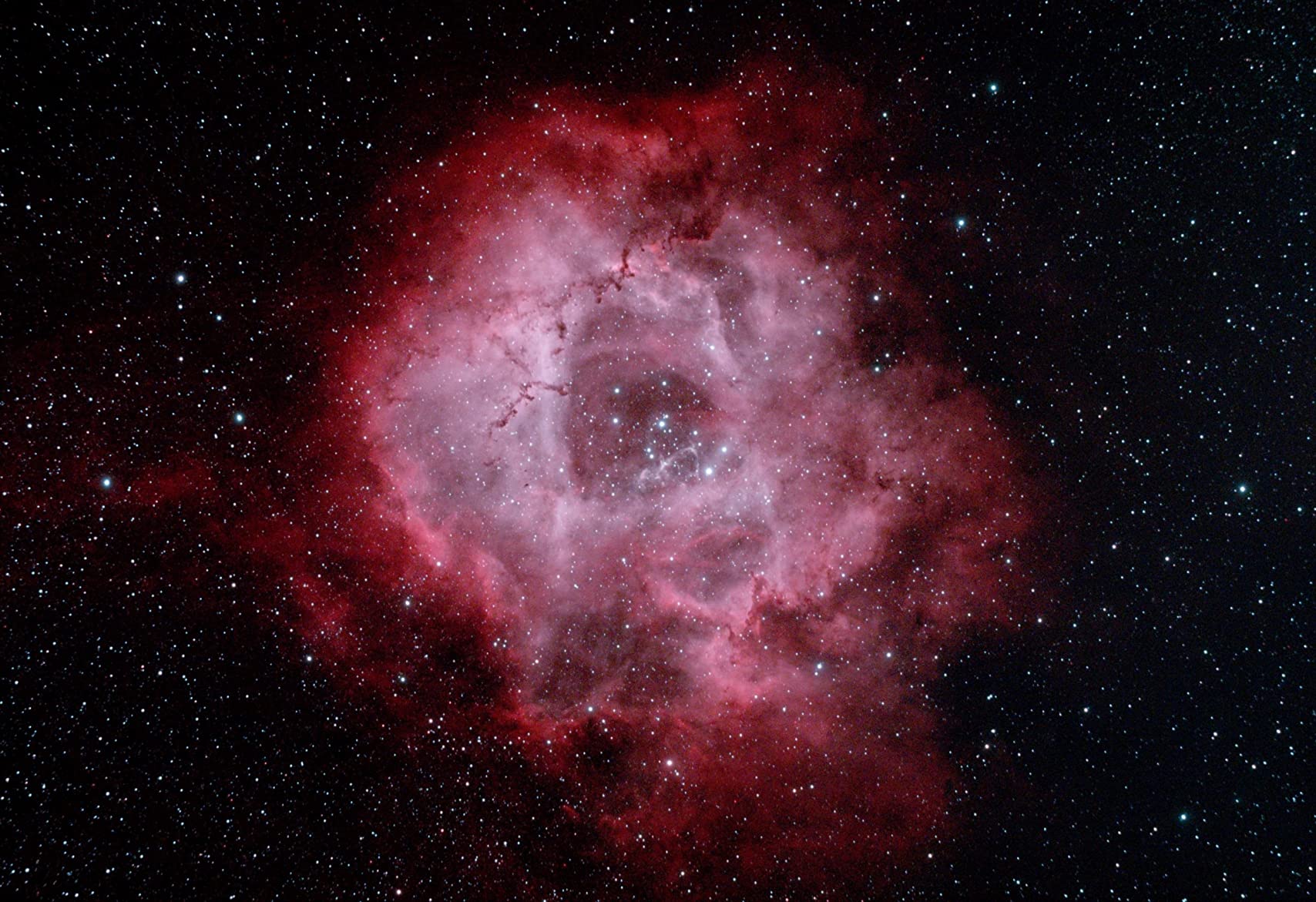
Astro-imagers rate the L-Pro as a strong all-round choice, crediting clean optical quality and effective suppression of urban skyglow. Compared with the narrower options, the broader pass keeps more star signal, which makes short integration sessions less punishing.
It is worth being clear that L-Pro is a dual-band narrowband filter, not a CLS broadband filter. It blocks a great deal of the continuum, so it shares the colour-shift limitation of the rest of the dual-band family.
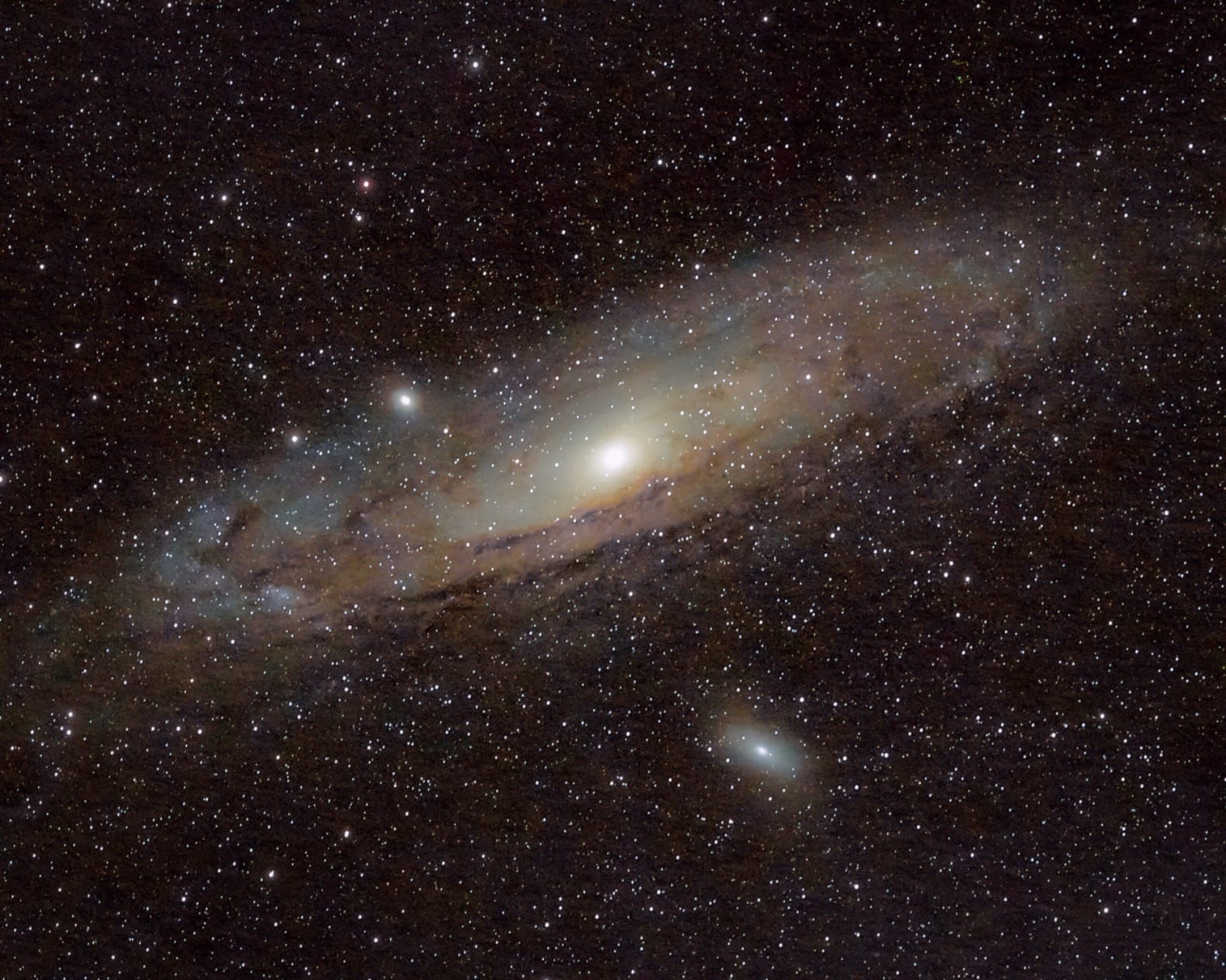
Not really. Broadband colour gets heavily shifted, which means galaxies and other continuum targets need colour correction in processing before they look natural. If galaxies are your main target, look at a CLS-style broadband filter instead.
It matters more than the marketing suggests. Machined and anodised aluminium gives consistent thread engagement and a dark internal surface, which is what keeps stray reflections down on faint targets. The one specification to note is that this filter is not water resistant, so keep it dry.
Quad bandpass Ha, H-beta, O-III and S-II
Cut-off depth OD2 to OD4
Near IR cut-off to 1000nm
The L-Quad Enhance is the odd one out in this list because it passes four regions rather than two: H-beta, O-III, H-alpha and S-II. That extra S-II pass is what lets you build an SHO-style palette from a single one-shot colour camera rather than combining three separate mono exposures.
The cut-off depth is quoted at OD2 to OD4, and there is a near-infrared cut-off at 1000nm. Both matter on fast refractors: the IR cut reduces the infrared sky noise that fast optics amplify, and the higher OD gives more resistance to skyglow than a light notch filter.
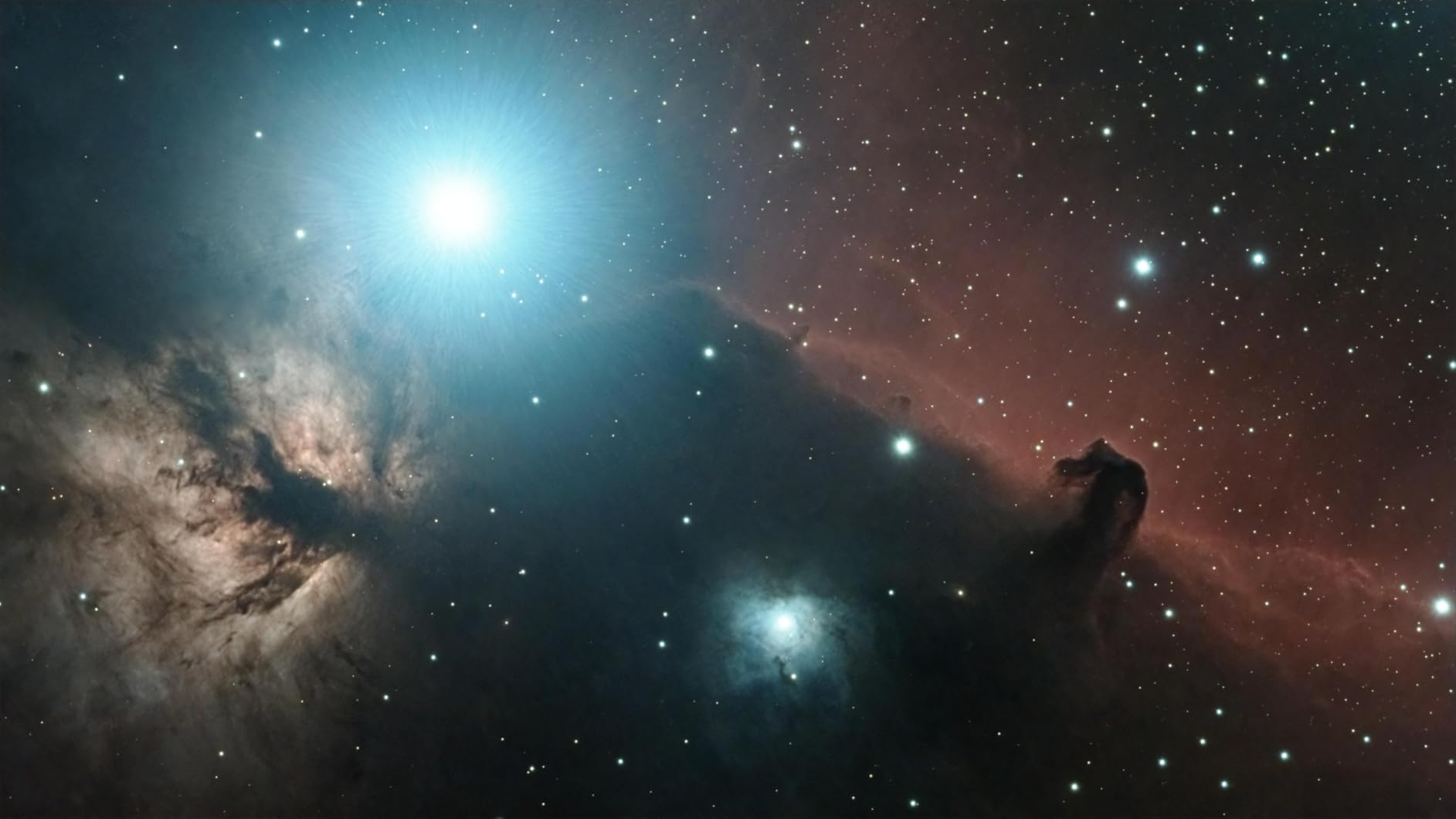
Users report that it tames star halos on fast refractors and edgeHD optics and produces darker, cleaner broadband images from Bortle 5 to 8 sites. That halo control is the feature most often mentioned, and it matters because a halo that forms in the optics cannot be fully removed later.
The honest caveat is that adding a fourth band spreads the same light budget more thinly, so peak contrast per line drops compared with a dedicated 7nm dual-band. You trade some punch for reach.
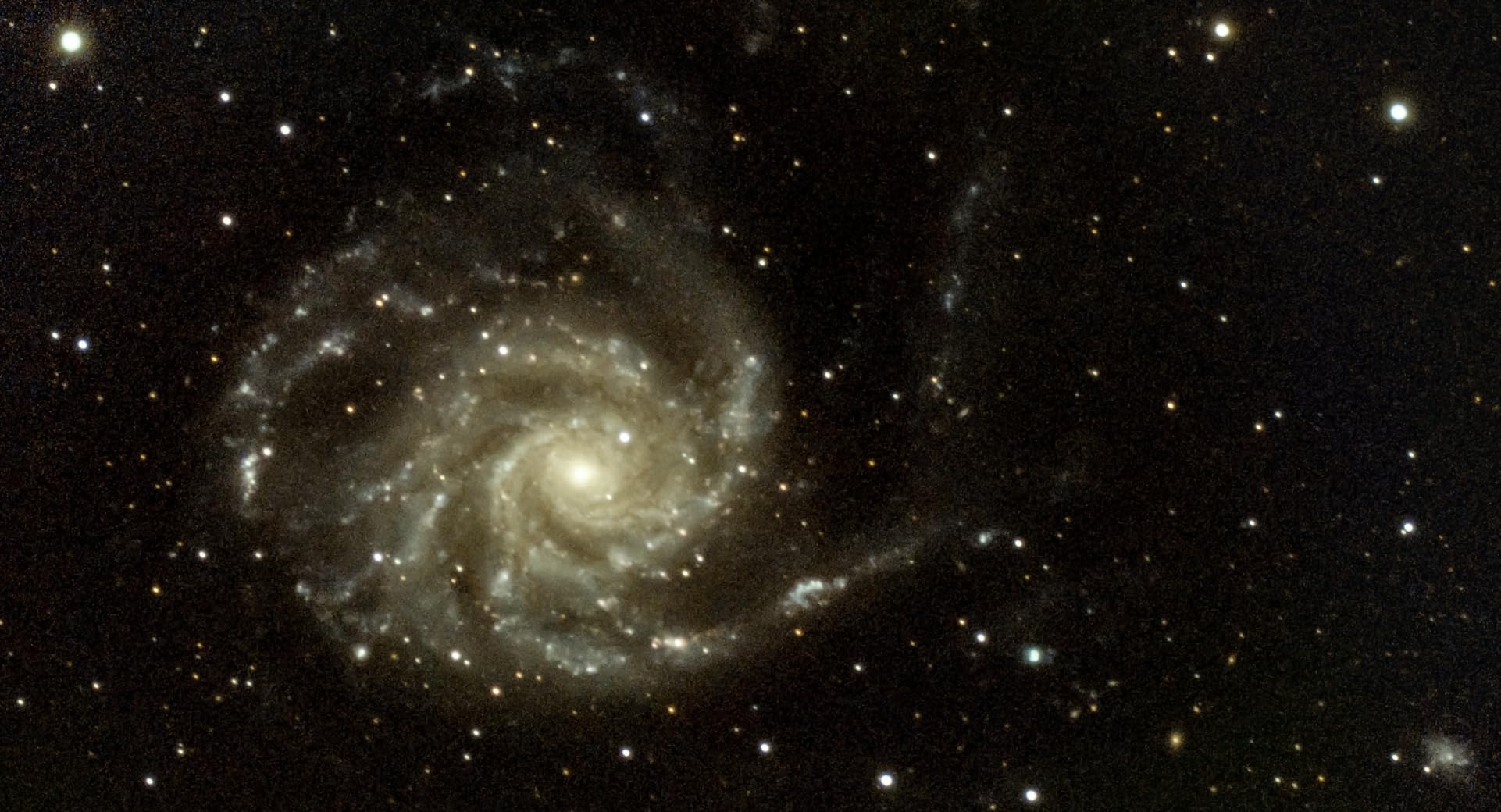
You can get an S-H-O-like look, though not a true SHO image. True SHO requires separate narrowband exposures per line so you can control the mix. With a single quad-band filter, all four lines land in one channel and the palette is fixed by the filter’s relative transmission.
It is the smallest among the Optolong filters in this roundup, and there is a visible group of one-star reviews. That is normal for a newer design rather than a sign of a defect, but it does mean less long-term field history than the established models.
7nm dual-band H-alpha and O-III
Over 94% peak transmission
2 inch M48x0.75 thread
The SV220 does something the branded 7nm dual-band filters usually charge much more for. It passes H-alpha at 656.3nm and O-III at 500.7nm with over 94% peak transmission, which is a high figure for a narrowband filter and translates directly into shorter exposures.
Astro-imagers in bright skies specifically praise how the two bands punch through suburban and city glow, allowing multi-minute subs with far less gradient than unfiltered OSC shooting. Reducing the gradient burden is often the real win, because gradient removal is a step that eats an evening’s processing time.
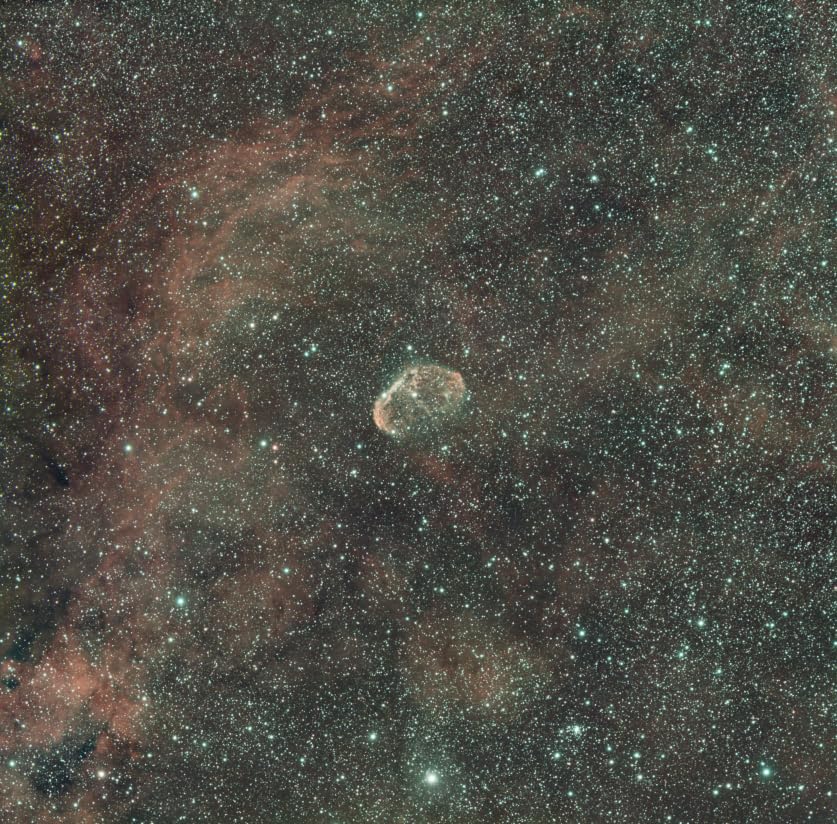
The build is straightforward: an anodised aluminium frame, waterproof optical glass, a 50g net weight and an M48x0.75 thread. That thread is the standard on most focal reducers and camera adapters, so fitting is usually direct.
Buyers highlight the price-to-performance comparison against established narrowband brands, which is the reason it earns a place in a roundup that already includes three Optolong models.
Fast optics spread the incoming light across a wide angle, so a narrow bandpass arrives at the sensor desaturated and offset from where you focused. A 7nm filter on an f/2 instrument will not deliver clean stars. The stated limit of f/4 and slower means this filter suits mid-focal-ratio Newtonians, refractors and camera lenses.
Neither. The manufacturer lists it as unsuitable for visual astronomy and solar imaging, and not for smart telescopes. It is a camera-only filter.
Ha, O-III and H-beta multi-bandpass
Over 90% transmittance at core lines
300-1100nm working range
The SV240 sits between a dual-band and a CLS filter. It passes H-alpha, O-III and H-beta with over 90% transmittance at the core wavelengths, at an OD4 or greater cut-off depth, across a 300 to 1100nm working range. That combination lets it handle emission nebulae and galaxies with the same filter.
Budget-oriented imagers rate it as effective at visibly darkening a light-polluted sky for both target types, and that single-filter flexibility is the reason to consider it over a pure narrowband design.
Several users specifically call out clean pinpoints with no halos around bright stars, which is a good result for a multi-band design. The catch is that this does not hold on every optical train. At least one reviewer returned the filter because of halos appearing on a refractor.
It is also the lowest-rated filter in this roundup, with the smallest review count. That is not disqualifying, but it is the reason this pick sits mid-list rather than higher.
Less well than the dedicated 7nm dual-band options. Reviewers note reduced performance under the worst skies, where the stronger off-band rejection of a tighter filter makes a noticeable difference. If your site is genuinely bright, spend the extra on bandwidth rather than on band count.
For an OSC shooter, absolutely. The alternative is separate mono exposures of each line, which needs a filter wheel and three times the filter investment. For a monochrome shooter, it makes no sense at all, because you cannot separate the bands.
90% transmission at nebula lines
0.1% at sodium and mercury lines
1.25 inch thread, 28.5mm
The CLS category gets recommended to beginners constantly, often without justification. This filter at least publishes the numbers that matter: 90% transmission at H-alpha 656nm, O-III 496nm and 500nm, S-II 672nm and H-beta 486nm, against 0.1% transmission at the sodium 589nm and mercury 435nm and 578nm pollution lines.
That is a genuinely broadband pass. Almost all of the nebula emission survives while the artificial lines are effectively removed, which is why CLS designs keep star colour and galaxy structure that a narrowband filter destroys.
Experienced astronomers running independent comparisons have found performance close to far more expensive CLS filters, which is the strongest claim in this roundup for a filter at this level. Owners in Bortle 8 and 9 skies report Orion and other nebulae gaining clear contrast.
The coating is described as ion-assisted deposition with planetary rotation, which is the manufacturing route used for durable dielectric multi-coatings. It resists scratching and holds its curve through temperature swings.
Yes, with an adapter. A 1.25 inch threaded filter needs a small step ring to sit in front of a camera sensor or in a filter drawer, and you need enough clearance to focus with it in the path. It also fits directly into standard 1.25 inch eyepieces and diagonal adapters.
Because LED street lamps emit broad, shallow peaks rather than the tight sodium and mercury lines a CLS filter was designed to notch out. Under modern LED-dominated skies, expect a smaller gain than the spec sheet implies, and reviewers consistently note this limitation.
Imported AGC optical glass
28 multi-layer nano coatings
0.15 inch ultra-slim frame
67mm thread
This is the other strong neutral option, and it differs from the HOYA in glass choice and coating count. The K&F CONCEPT uses imported AGC optical glass with no colour cast, and the manufacturer states it explicitly, which matters for anyone who shoots a graded sky and does not want to fight a green cast in processing.
The frame is 0.15 inch thick. On a fast wide-angle lens, frame thickness is the difference between a clean corner and a visibly vignetted one, and this is the specification to check before buying any screw-on night filter.
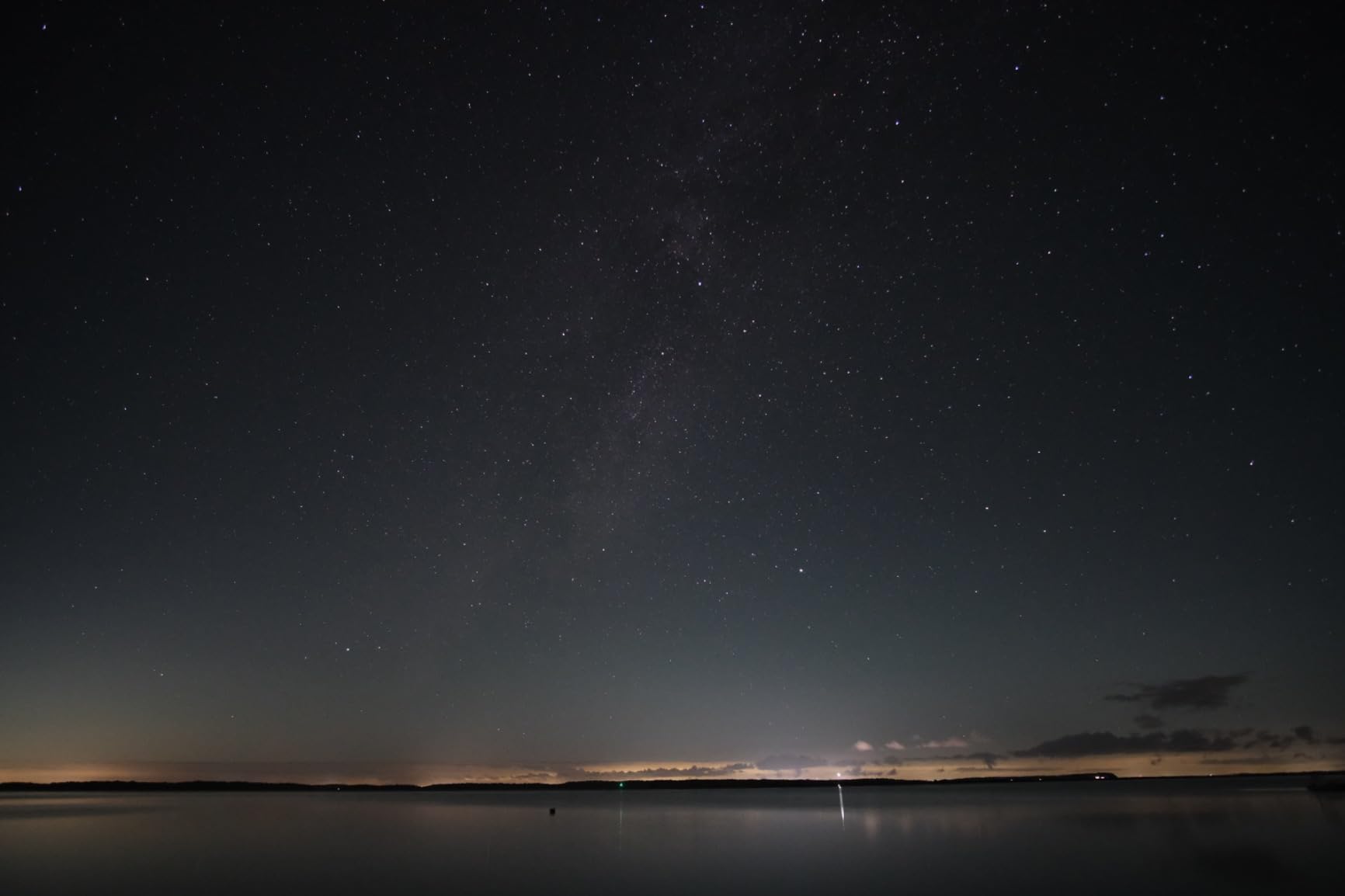
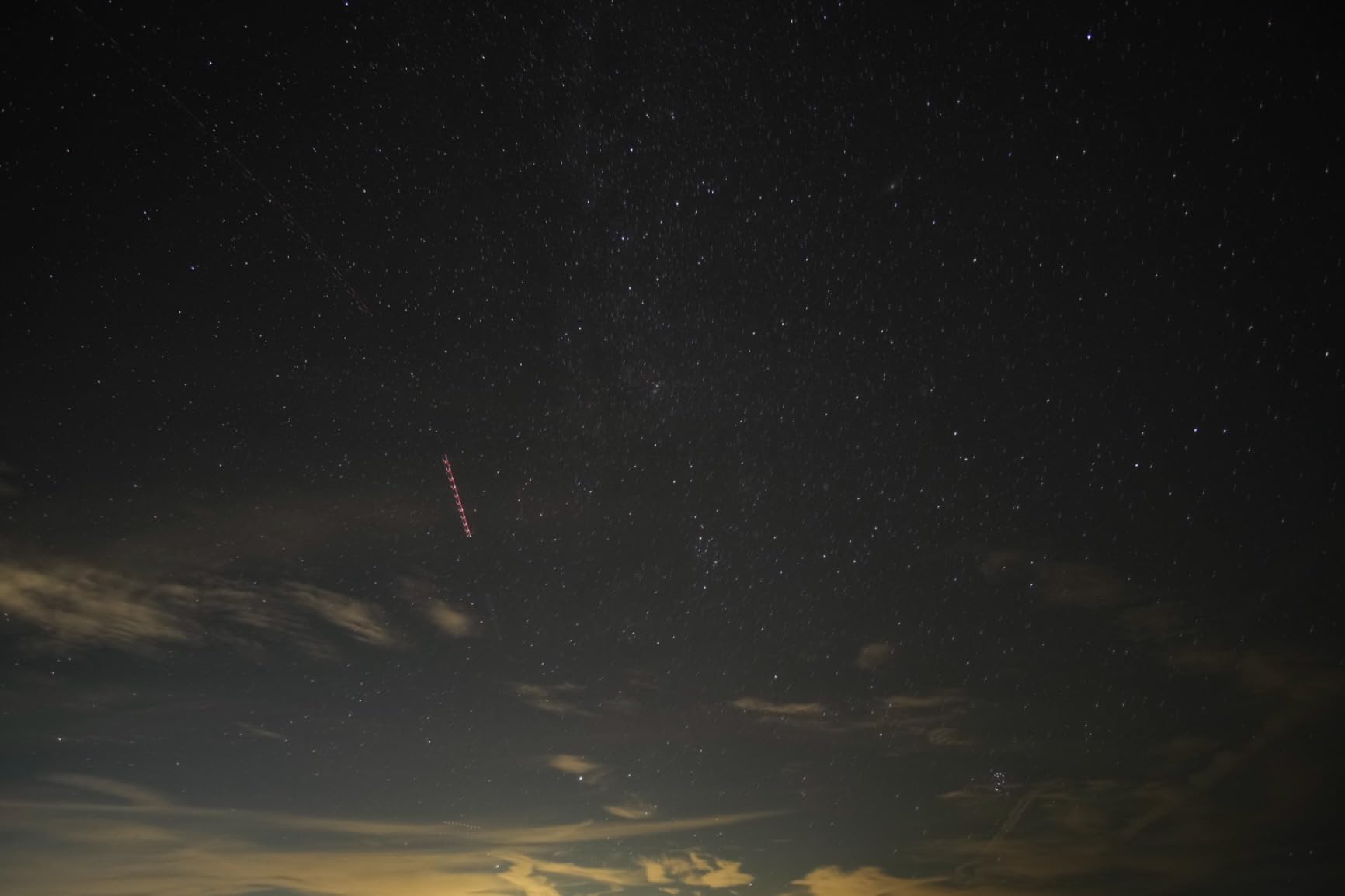
Buyers describe the rendering as neutral, saying it makes night skies clearer and stars more distinct without shifting colour. Ratings cluster strongly at five stars, with a smaller group who want stronger nebula isolation than a neutral filter delivers.
The eight thread sizes are worth noting too. Most camera lens filter threads come in a small number of diameters, and buying the right one directly avoids adding a step ring that would undo the slim-frame advantage.
A CLS filter wins on emission nebulae because it is designed to notch specific pollutant lines while preserving nebula emission. This neutral filter reduces overall density more gently, which is exactly what you want for a nightscape and less of what you want for a faint emission target.
Not without an adapter. This is a camera lens filter with a 67mm thread. To put it on a telescope you would need to source a 67mm to your filter thread adapter, which is a non-standard part and rarely worth it.
1.25 inch barrel, 31.75mm thread
Optical glass in aluminium frame
Multi coating
40g
A UHC filter is the cheapest way to find out whether you actually like fighting skyglow. This one is a 1.25 inch threaded optical glass filter in an aluminium frame with a multi coating, and at 40g it adds nothing measurable to an eyepiece stack.
Owners overwhelmingly report a real contrast boost for visual nebula observation from Bortle 5 to 8 suburban and city skies. Several reviewers point to independent optical tests that found it nearly identical to far more expensive branded UHC filters.
One practical detail worth crediting: it does not cut infrared response, so a guide scope still finds guide stars through thin cloud. Some broadband designs do degrade guiding, and that is a genuine annoyance on a two-night imaging run.
The limitation reviewers raise most often is the same one as with every broadband visual filter. Against modern LED street lighting the gain is smaller, because the broadband notch does not align with LED emission peaks.
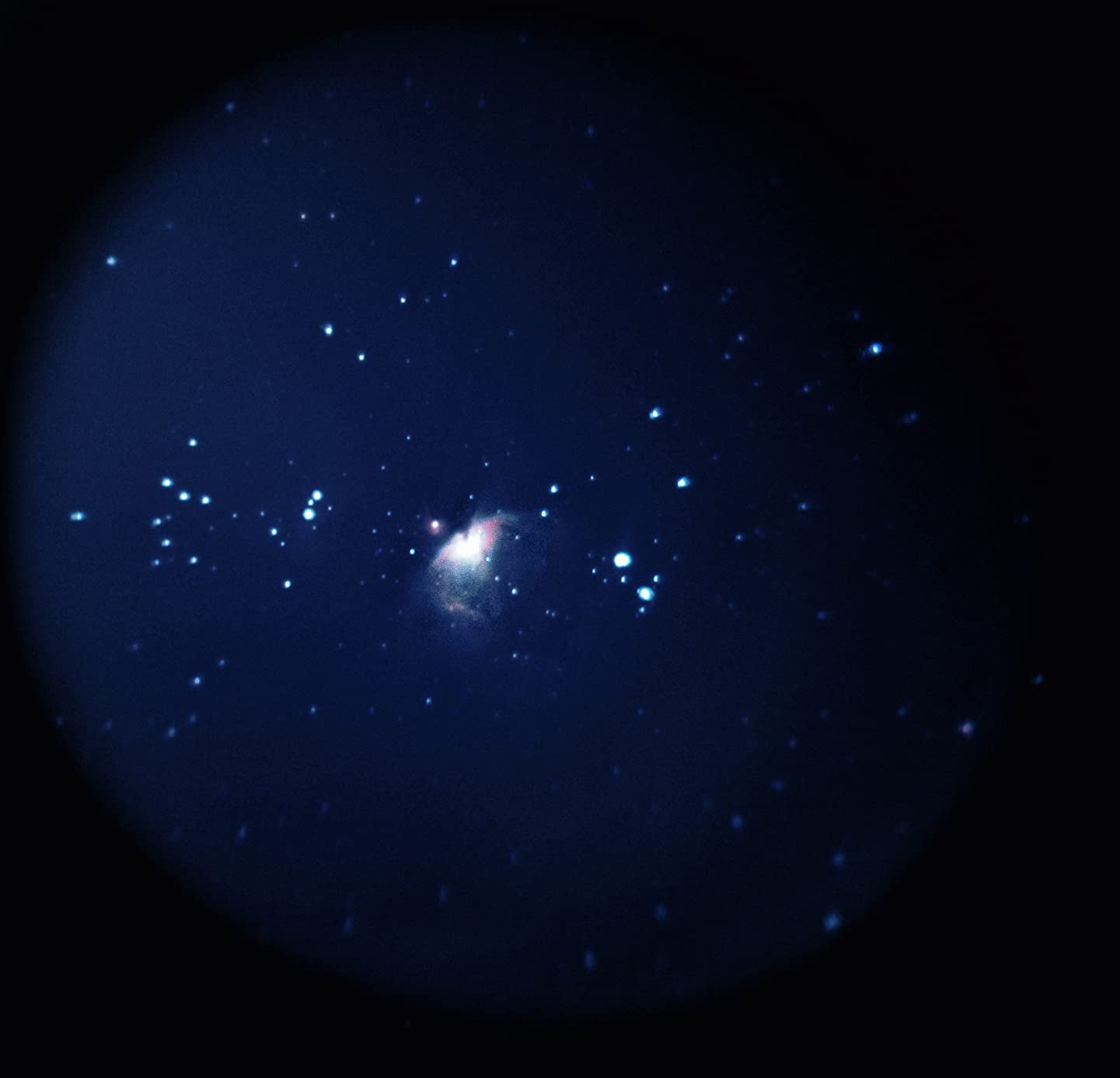
Yes, because broadband filters lose less light than narrowband ones. On a small instrument where every photon counts, a filter that blocks a modest slice of the spectrum beats one that blocks most of it. That reasoning is exactly why broadband UHC filters remain popular on Dobsonians.
You can, and some users have done so successfully, but this is a visual filter. Expect a strong colour cast that costs real effort to remove, and prefer an imaging filter if the camera is the goal.
2 inch standard filter thread
Optical glass with aluminium frame
Anti-reflection coatings
14.2g
The Astromania is the 2 inch version of the budget visual UHC idea, weighing 14.2g with optical glass in an aluminium frame and anti-reflection coatings. At 2 inches it covers the aperture of a mainstream Dobsonian or Newtonian without vignetting on a star test.
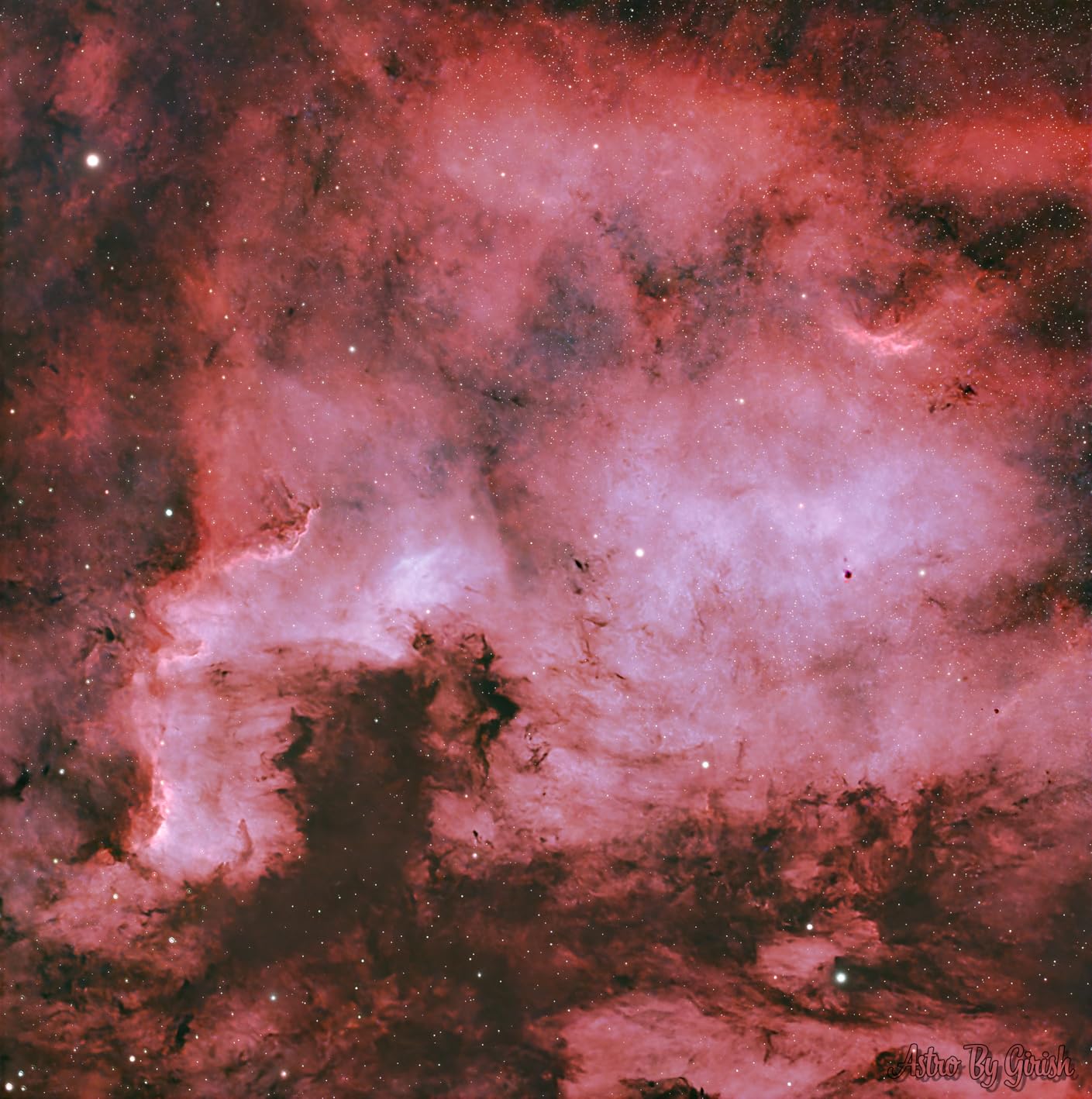
Visual observers report a clear upgrade over unfiltered viewing in heavily light-polluted areas, with several new nebulae becoming visible for the first time. Specific targets that reviewers single out are the Trifid, the Eagle and the Veil, all of which have low surface brightness and are the classic test of a UHC filter.
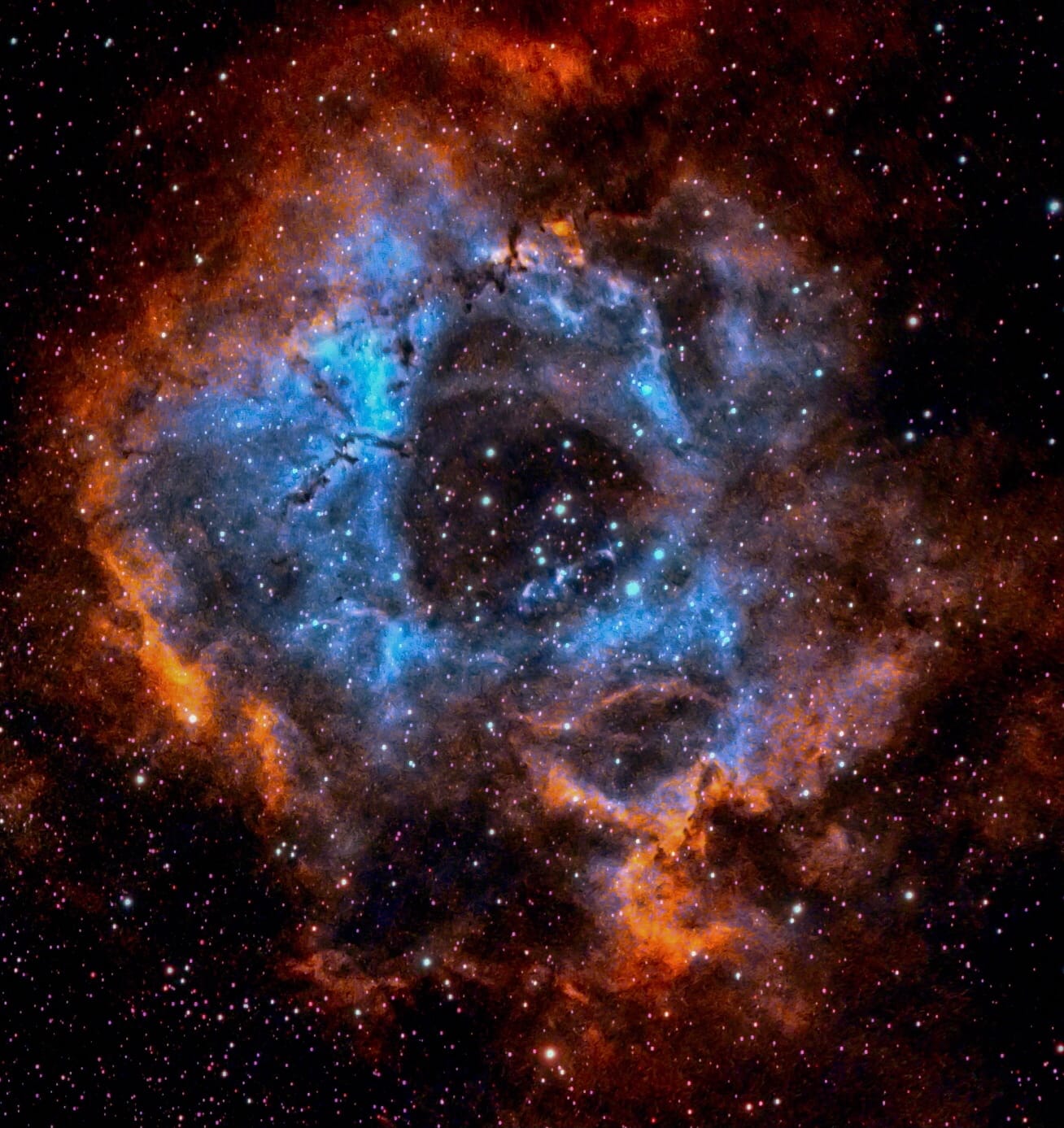
It also draws praise for enhancing dust clouds and emission nebulae without a steep brightness penalty on larger scopes. That qualifier matters, because on a small aperture the overall light loss becomes the limiting factor and the contrast gain stops being worth it.
At least one user shot the Jellyfish Nebula successfully through it, though imaging through a visual filter remains the wrong choice for most rigs.
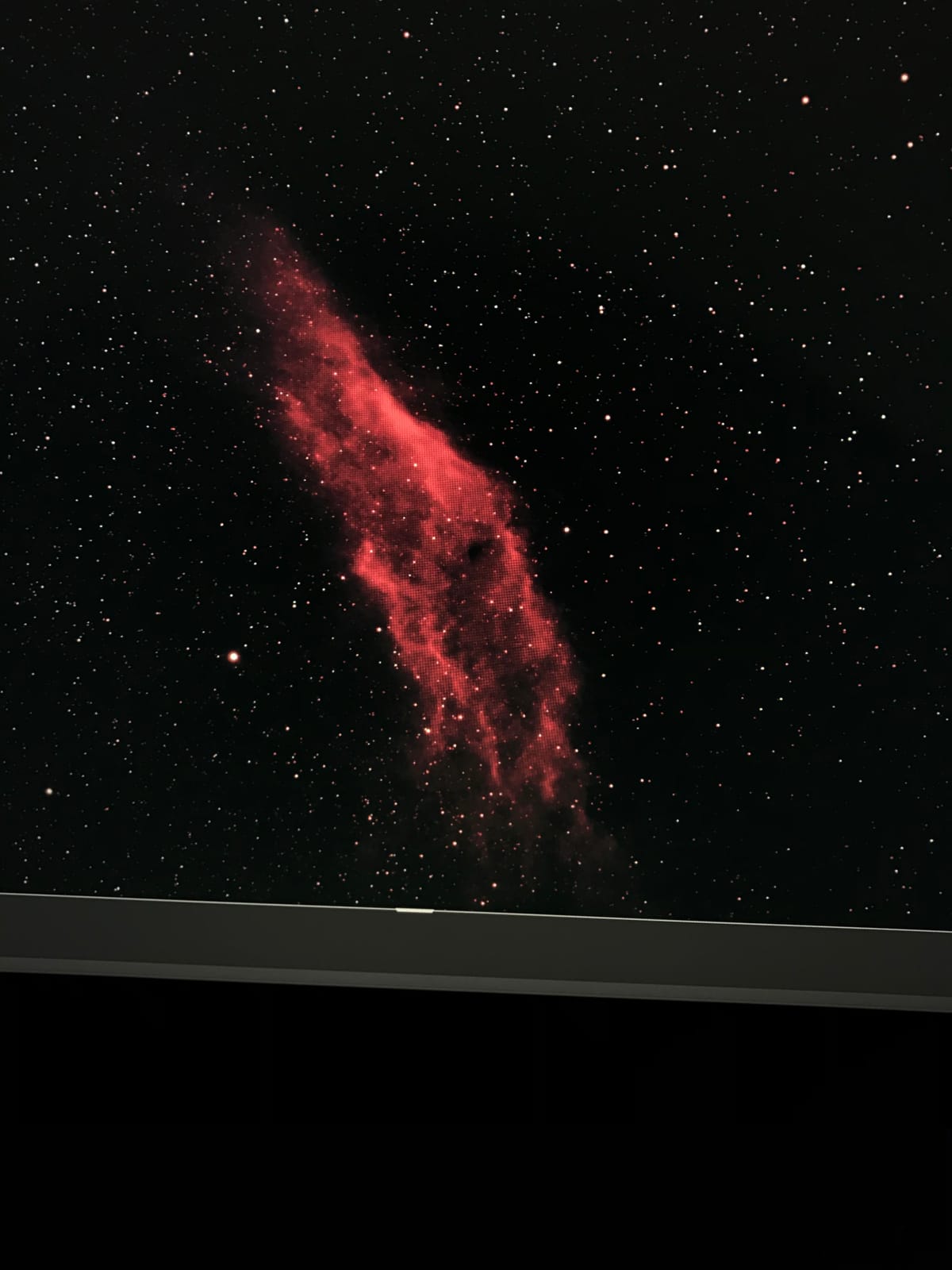
Yes, with a 2 inch adapter, which is the accessory most smart telescope owners already own. This is a practical point worth checking because many imaging filters explicitly exclude smart telescopes, where the built-in optics and sensor stack are not always compatible with a threaded filter.
Expect a weaker result. The reviews are consistent that some light loss occurs, and that the contrast gain feels modest in dark skies or on already bright targets. On a small aperture scope the filter is more likely to disappoint than to impress.
1.25 inch thread, 31.75mm
High transmission optical coating
Optical glass, 30g
Two year warranty
The Celestron UHC/LPR is the longest-serving filter in this roundup, and it carries a two year limited warranty that most of the budget alternatives do not. It is 1.25 inch (31.75mm) threaded optical glass with a high transmission coating at 30g.
Owners on 8 to 10 inch Dobsonians and Newtonian refractors report nebulae gaining shape and detail from urban and suburban skies. The claimed effect is roughly 30% more visible contrast on emission and planetary nebulae, which is a meaningful figure for a visual filter.
Unlike a pure O-III filter, this one shows both H-alpha and O-III targets, which makes it the more useful single filter for a new observer who has not yet settled on a favourite class of object. It has also revealed detail such as the centre of the Andromeda Galaxy from a bright suburban sky.
The criticisms are consistent across reviews: a noticeable green or blue-green cast, some internal reflectivity when you are not fully dark-adapted, and weaker performance against LED lighting than against sodium vapour.
Because a UHC filter removes much of the red and blue response of the eye and leaves the green channel dominant, so everything appears green. Experienced observers adapt within minutes, and many consider the perceived boost partly a contrast illusion. If colour accuracy matters to you, buy it for imaging use rather than visual.
It suits eyepieces, binoviewers and small focusers, and it adapts to most cameras with a step ring. If your telescope has a 2 inch focuser and you shoot with a large-format sensor, buy the 2 inch version, which is made from the same optical design.
Start with your camera, not your target. One-shot colour cameras are the machines that make dual-band filters worthwhile, because a single element delivers both H-alpha and O-III in one sub and keeps colours in place. Monochrome cameras need single-line filters instead: three separate H-alpha, O-III and S-II exposures and a filter wheel. Putting a dual-band filter on a monochrome camera gives you overlapping, inseparable data.
Then match the band to the target. Emission nebulae respond to narrowband. Galaxies, reflection nebulae and star clusters need broadband transmission to keep their natural colour. A tight 7nm dual-band will render a galaxy nearly black no matter how good the stacking is.
Only then pick the width. 3nm gives the darkest background and the sharpest line isolation, but needs slow optics and careful focus. 7nm forgives fast Newtonians and refractors. Something wider still, as in the L-eNhance design, is the safe choice if your telescope is a small-aperture refractor or a fast astrograph.
Check your mount format before anything else. This is the single most common purchase mistake, and it is the number one source of returns mentioned repeatedly in the discussions we read. The formats are:
1.25 inch (31.75mm) threaded: fits eyepieces, binoviewers and most budget adapters. Needs a step ring to reach a camera.
2 inch threaded: the standard for imaging, with M48x0.75 the common thread. Most reducers and camera adapters take this directly.
Unmounted: a bare glass disc in a loose holder, used in filter drawers and off-axis guider wheels.
Clip-in: slides into a DSLR or mirrorless sensor filter slot. Convenient, but restricted to specific camera models.
Lens screw-on: threads onto a camera lens. Sizes are lens diameters such as 52mm or 67mm, not telescope formats.
Our guide to undersink water filtration follows the same sizing logic from a different angle: the cartridge only works if it physically matches the housing, so measure before you buy.
Mind the transmission loss when you plan integration. A filter cuts signal as well as skyglow. Beginners frequently conclude a filter made things worse because they shot the same sub length unfiltered and filtered, then compared the two. A narrowband filter needs more total integration time to reach the same signal-to-noise ratio. Plan your hours accordingly, and remember that a reduction in gradient removal time is often a better return than raw signal.
Watch the focal reducer interaction. Fast reducers do two things: they shift the spectrum toward the blue end of the range and they widen the apparent star field, which pushes the off-band response of a narrowband filter up. Filters such as the SV220 state a minimum focal ratio of f/4, and below that the result is a degraded image rather than a filtered one. Off-band red leak from the reducer is a separate, well-known problem: the red leak that appears on fast Newtonians can be confused with light pollution, and no filter on the camera removes it.
Consider IR cut when you shoot fast refractors. Modern CMOS sensors respond well into the near infrared, and fast glass amplifies it into visible halos and extra noise. The L-Quad Enhance includes a near IR cut-off at 1000nm for this reason. If you see coloured rings around stars with a fast astrograph, an IR-cut filter or a slower optical train will help more than a stronger light pollution filter.
Do not expect a filter to fix a gradient or a bad flat. Light pollution filters reduce the overall sky background level and the contrast between the sky and a target. They do not correct the uneven illumination across a wide field that causes gradients, and they cannot repair poor flat frames or light frames taken with the dome closed. Those need calibration frames and, ultimately, a flatter sky. One user on Cloudy Nights makes the blunt version of this argument: in heavily polluted skies, the reliable options are narrowband or driving to somewhere darker. If your site sits under a bright dome and your budget covers one trip, that is a competing purchase worth weighing.
Look after the glass. Narrowband filters are expensive and coated with delicate dielectric layers. Store them in a padded case away from humidity, handle by the frame rather than the glass, and clean with a blower and lens tissue rather than any liquid. Our guide to Vietnamese coffee filters covers the same discipline for a cheaper piece of glass that gets wet daily.
Yes, with the right filter for your target. Light pollution raises the sky background, which lowers signal-to-noise ratio and costs you dynamic range before processing even starts. A dual-band narrowband filter cuts the background between the emission lines so severely that emission nebulae can be shot from Bortle 8 or 9 skies. Galaxies and star fields are harder, because they emit broadband light and need a CLS or L-Pro filter that preserves star colour. Travel still gives the best result, but a filter plus longer integration is a workable plan from suburbia.
For emission nebulae on a one-shot colour camera from a bright sky, a dual-band narrowband filter such as the Optolong L-eNhance or L-Extreme is the standard answer, because it passes H-alpha and O-III in one exposure while blocking most skyglow. For galaxies where star colour must stay natural, a broadband CLS or L-Pro filter is better. For Milky Way nightscapes on a camera lens, a neutral night or didymium filter such as the HOYA STARSCAPE keeps white balance accurate.
Not really. A UHC filter is a broadband visual filter designed to deepen the contrast of emission and planetary nebulae for the human eye, not a camera filter built for broadband colour. It produces a strong green or blue-green cast, and photographing through one leaves colour that costs a lot of processing to neutralise. For galaxy imaging use a CLS or L-Pro style filter that blocks sodium and mercury lines while passing most of the visible spectrum.
For emission nebulae from a polluted sky, yes. Narrowband filters block the continuum and the pollution lines between the emission bands, so the sky background collapses and signal-to-noise rises sharply. Experienced imagers generally regard narrowband as the highest-signal option available. Broadband CLS filters win on galaxies, reflection nebulae and star fields because they preserve natural star colour, and they lose less light, so they suit small-aperture scopes and short integrations better.
Use the right filter for your aperture and accept that filters do not change the stars, only the background. A 1.25 inch UHC filter fits an eyepiece and adds roughly 30% more visible contrast on emission nebulae in bright skies, with minimal light loss on small scopes. A 2 inch UHC gives the same effect with more aperture coverage. Higher magnification and full dark adaptation help more than any filter, and neither approach touches atmospheric turbulence, which no filter can fix.
For a fast refractor or astrograph shooting emission nebulae, the 2 inch L-eNhance, because its wider bandpass tolerates fast focal ratios. For the darkest skies and the most aggressive line isolation on an OSC camera, the L-Extreme at 7nm. For one filter that also covers S-II so you can build an SHO-style palette from a single camera, the L-Quad Enhance. For general OSC work that includes some broadband targets, the L-Pro sits in a useful middle position with around 90% transmission at the nebula lines.
For most readers, the HOYA STARSCAPE is the one to buy. It blocks the sodium and mercury glow that ruins suburban nightscapes, passes 97% or more of the light so your exposure times barely change, and stays colour-neutral so your white balance survives the process.
If you shoot a telescope, the choice splits by target. Emission nebulae from a bright sky go to the Optolong L-eNhance, or the L-Extreme if your sky is genuinely bright and you value contrast over everything else. Galaxies and broadband colour go to the Optolong L-Pro or the SVBONY CLS. Visual observers should start with the SVBONY or Celestron UHC at whichever thread size matches their focuser.
Last thing worth saying plainly: a filter lowers the background, it does not fix gradients, poor flats or off-band red leak from a fast reducer. Measure your thread size before ordering, budget more integration hours than you did unfiltered, and if your site sits under a bright dome, weigh one night at a darker site against a second filter. Updated 2026.