

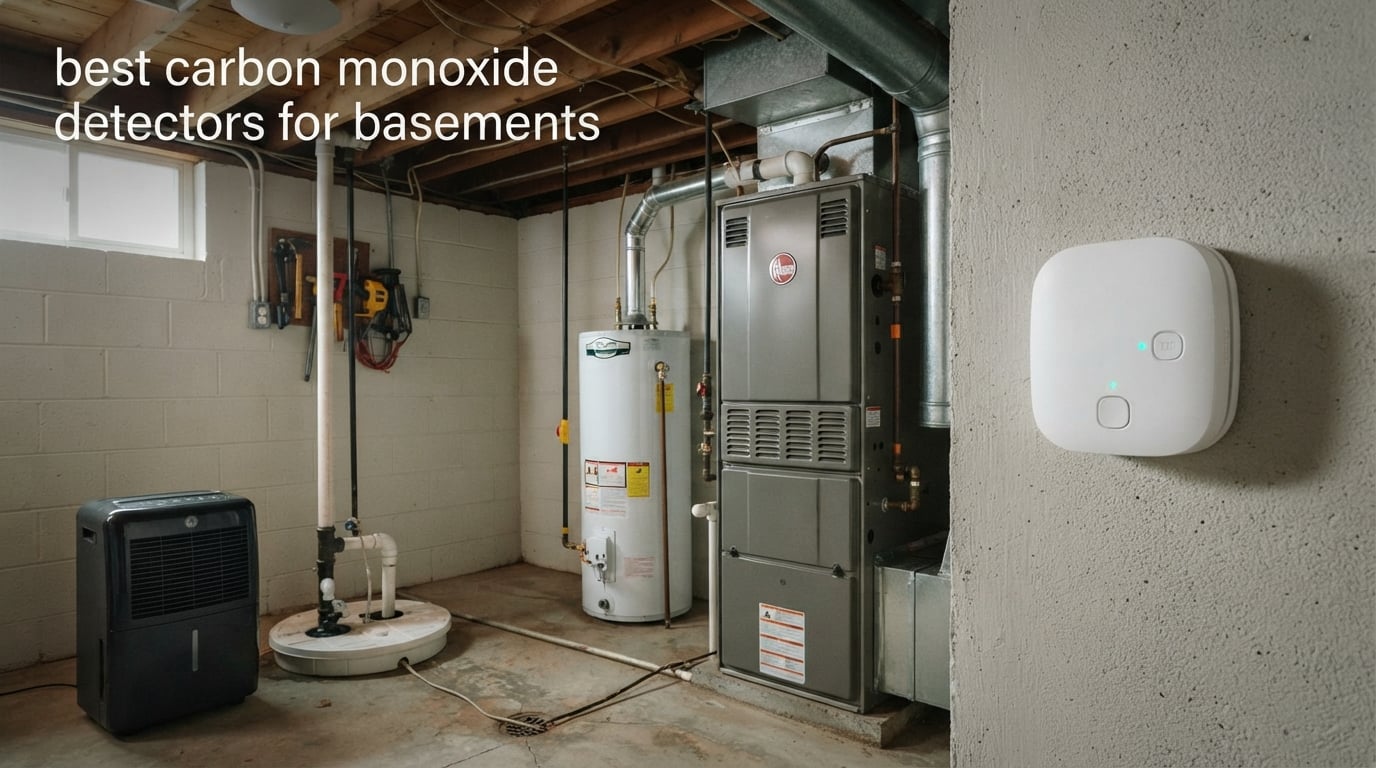
Yes, put a carbon monoxide detector in your basement, and if you have any fuel-burning appliance down there, a plug-in model with battery backup and a digital parts-per-million readout is the safest choice. Carbon monoxide is colourless, odourless and produced by the exact equipment a basement is built around: furnaces, boilers, water heaters and attached garages. It settles first at the source and then migrates up stairwells and through ductwork to the bedrooms above, which is why a basement unit gives you earlier warning than a hallway detector upstairs.
Basements add three conditions you will not meet on an upper floor. They are often the only level with a combustion appliance in it, they run damper and colder than the rest of the house, and many owners simply forget to test a detector hanging on a joist behind a stud wall. Our team read through the certification markings, operating humidity ranges, power options and end-of-life behaviour of every unit below, then cross-checked them against what owners report in our general carbon monoxide detector roundup.
This guide covers ten currently available detectors and the placement rules that decide whether they work in a real basement. We are deliberately not including handheld CO meters. A meter tells you what the concentration is at the moment you hold it in a corner, and it does nothing at three in the morning while you sleep. Alarms and meters answer different questions.

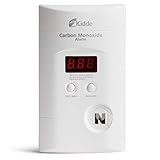

The Kidde KN-COB-LP2 wins on evidence rather than specification. It carries the largest review base in this roundup, an electrochemical sensor, an 85-decibel siren and a 10-year warranty, and the operating humidity range of 10 to 95 percent relative humidity is wide enough for a damp basement. The KN-COPP-3 is the pick when you want to read the number instead of guessing at it, and the First Alert CO605 is the simplest way to cover a furnace room when you have only one outlet to work with.
| Product | Specifications | Action |
|---|---|---|
| Kidde KN-COB-LP2 Battery Powered CO Alarm |
|
Check Latest Price |
| Kidde KN-COPP-3 Plug-In CO Alarm |
|
Check Latest Price |
| First Alert CO605 Plug-In CO Detector |
|
Check Latest Price |
| First Alert CO400 Battery CO Alarm |
|
Check Latest Price |
 First Alert CO615 Plug-In Alarm with Display First Alert CO615 Plug-In Alarm with Display |
|
Check Latest Price |
 X-Sense SC01 Smoke and CO Alarm X-Sense SC01 Smoke and CO Alarm |
|
Check Latest Price |
 BRK SC9120B Smoke and CO Alarm BRK SC9120B Smoke and CO Alarm |
|
Check Latest Price |
 Siterlink A4602A-7 Plug-In CO Alarm Siterlink A4602A-7 Plug-In CO Alarm |
|
Check Latest Price |
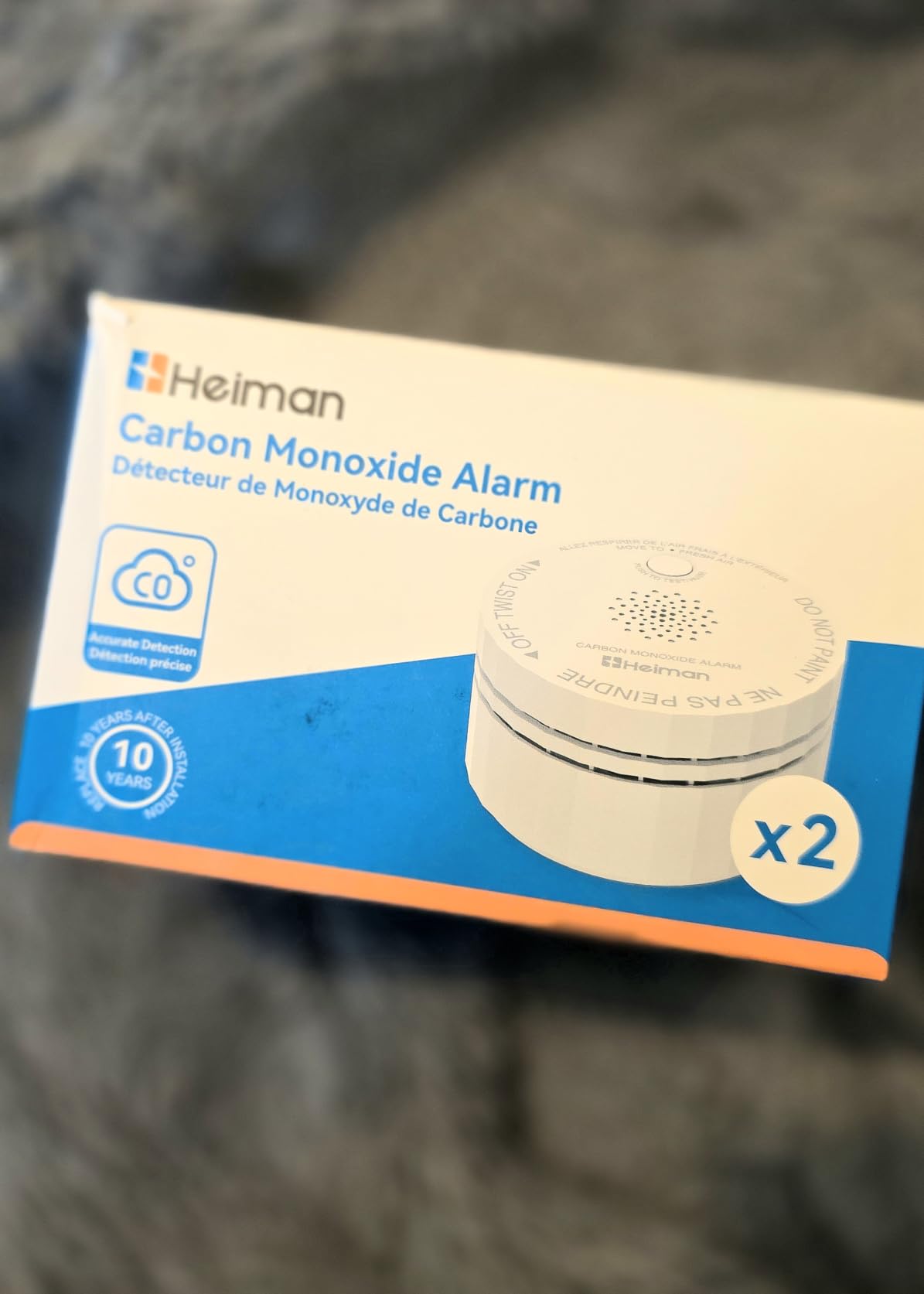
 Heiman C1-S 10-Year CO Detector Heiman C1-S 10-Year CO Detector |
|
Check Latest Price |
 Kidde KN-COEG-3 CO and Gas Alarm Kidde KN-COEG-3 CO and Gas Alarm |
|
Check Latest Price |
Electrochemical sensor
2-AA battery powered
85 dB alarm
10-95% RH
10-year warranty
This is the unit we keep coming back to for a basement because it asks nothing of your electrical wiring. It runs on two AA batteries that are included in the box, so a tripped breaker or a flooded wall outlet cannot silence it. The mounting hardware is in the pack too, and the same alarm works flat on a shelf or screwed to a stud.
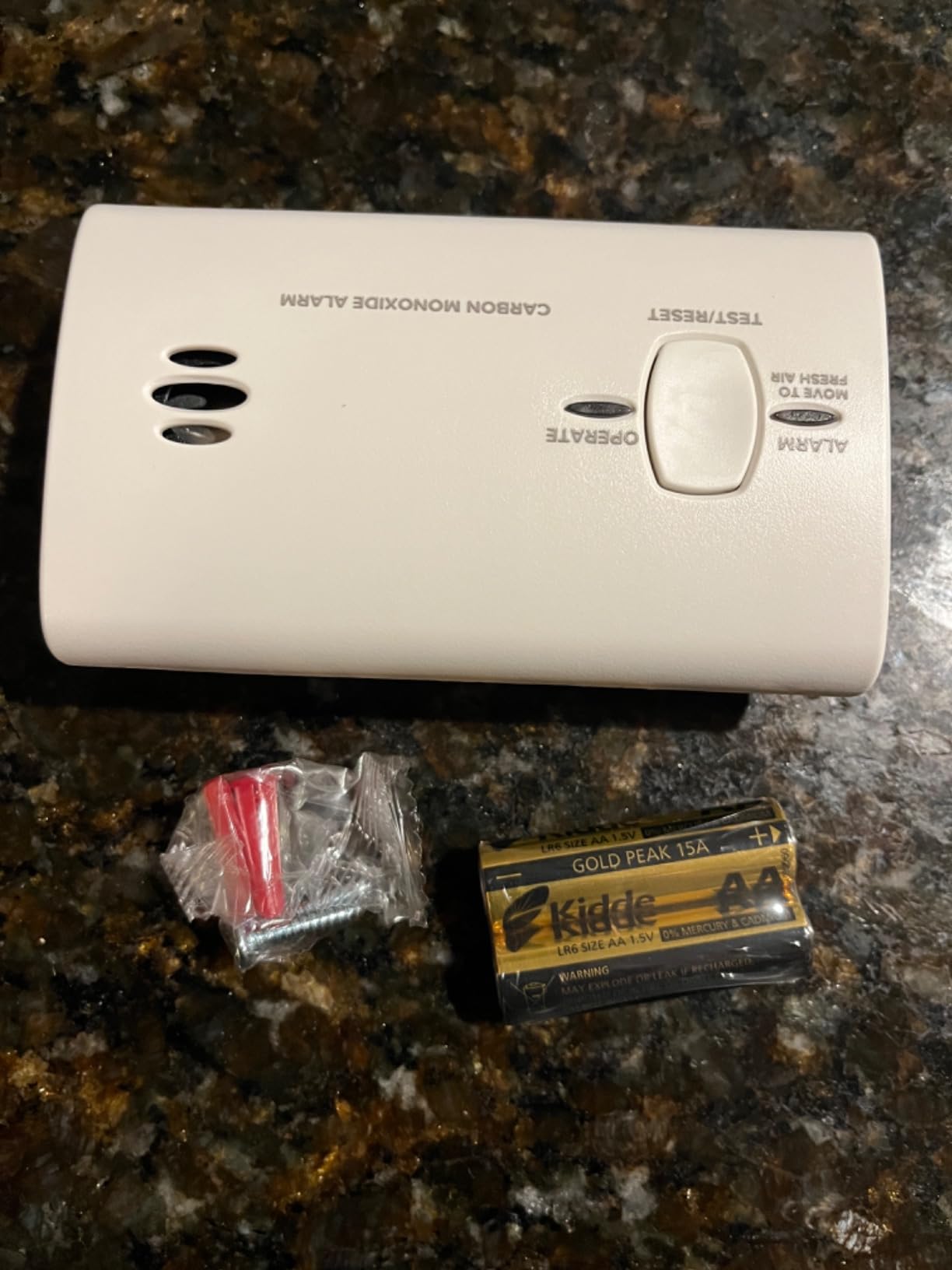
Where it earns its reputation is the specification sheet. The electrochemical sensor is the same sensing technology used in the units with screens, and the alarm reaches 85 decibels with a red LED alongside it. A green LED tells you at a glance that the unit is powered and healthy, which matters in a basement where nobody else looks at it.
The operating range is 10 to 95 percent relative humidity, non-condensing, and the upper temperature rating is 100 degrees F. That is a genuinely wide band for a home alarm, and it is why we are comfortable recommending it for laundry areas, dehumidifier corners and utility rooms where a cheaper unit is likely to complain.
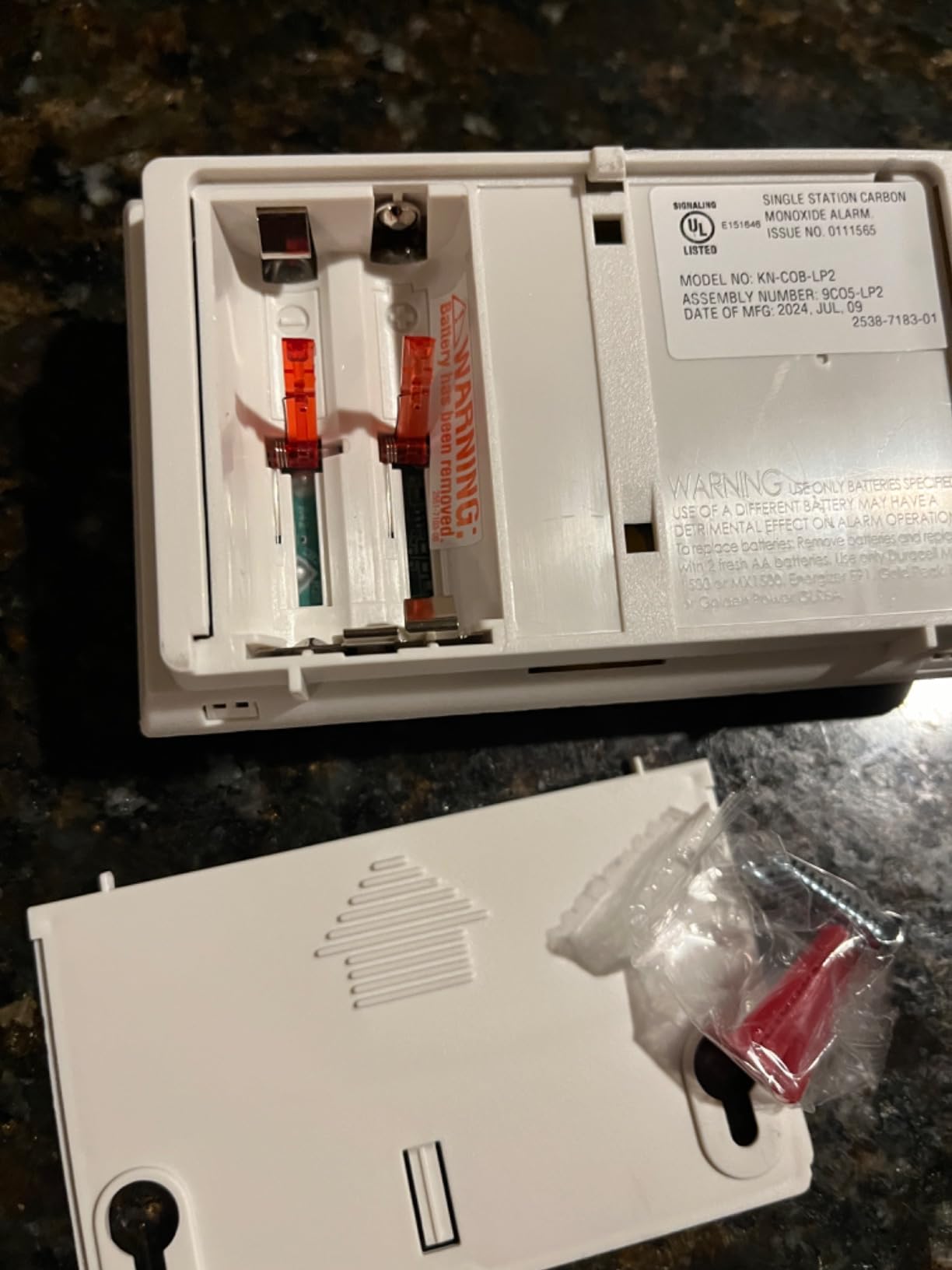
A furnace or boiler room is the single worst place in the house to rely on mains power, because the same event that cuts the alarm may be the event that needs warning about. This unit does not care. Two AA cells and an electrochemical cell are the whole power budget, and the alarm is loud enough to be heard through a closed door and up a stairwell.
Owners in the reviews also point out how easy it is to move. Several bought it as a temporary measure while a bigger renovation was underway, then carried it from the utility room to a rental flat. That flexibility is worth more than a feature list when you are the only person in the house who thinks about the detector.
There is no display, and that is a real limitation in a mechanical room. If the alarm sounds, you know something is wrong but you cannot tell whether the unit is reacting to 30 ppm or 300 ppm. Peak level memory is limited to recording that an event happened and when, not what the concentration was.
The other drawback is the battery itself. Two AA cells are cheap and easy to find, but on a unit mounted high on a joist in a cold basement, replacing them every year or two is exactly the chore that eventually gets skipped. If you cannot reach the detector without a ladder, a sealed ten-year battery is a better fit.
Digital LED ppm display
9V battery backup
Peak Level Memory
85 dB alarm
Owners of older homes with gas boilers repeatedly describe the same experience with this unit: the digital display and the audible alert together caught a slow carbon monoxide leak from an aging furnace. That is the whole argument for paying a little more for a screen. An alarm tells you that something is wrong, a readout tells you whether it is still happening.
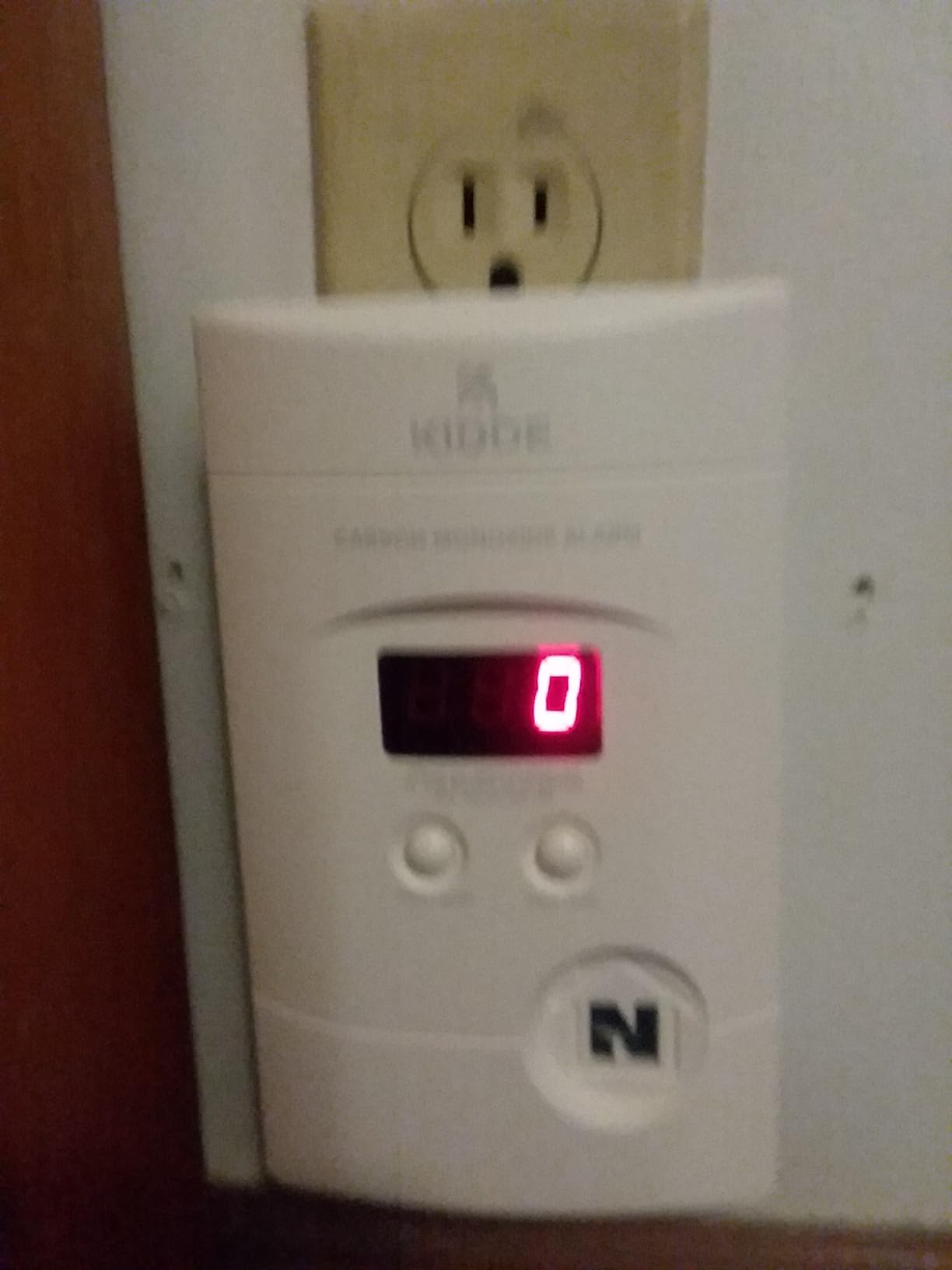
The most common installation pattern reviewers describe is a plug-in unit near the sleeping area plus a second one placed near the boiler, which is precisely the basement-first layout we recommend below. Peak Level Memory records the last time carbon monoxide was detected or the last time the unit was tested, so you can check whether an alarm event happened while you were out.
Installation is genuinely plug and play, and the operating range of 5 to 95 percent relative humidity non-condensing covers about as much of a damp basement as any residential alarm claims. A 9V battery is included, and the manufacturer warranty runs ten years.
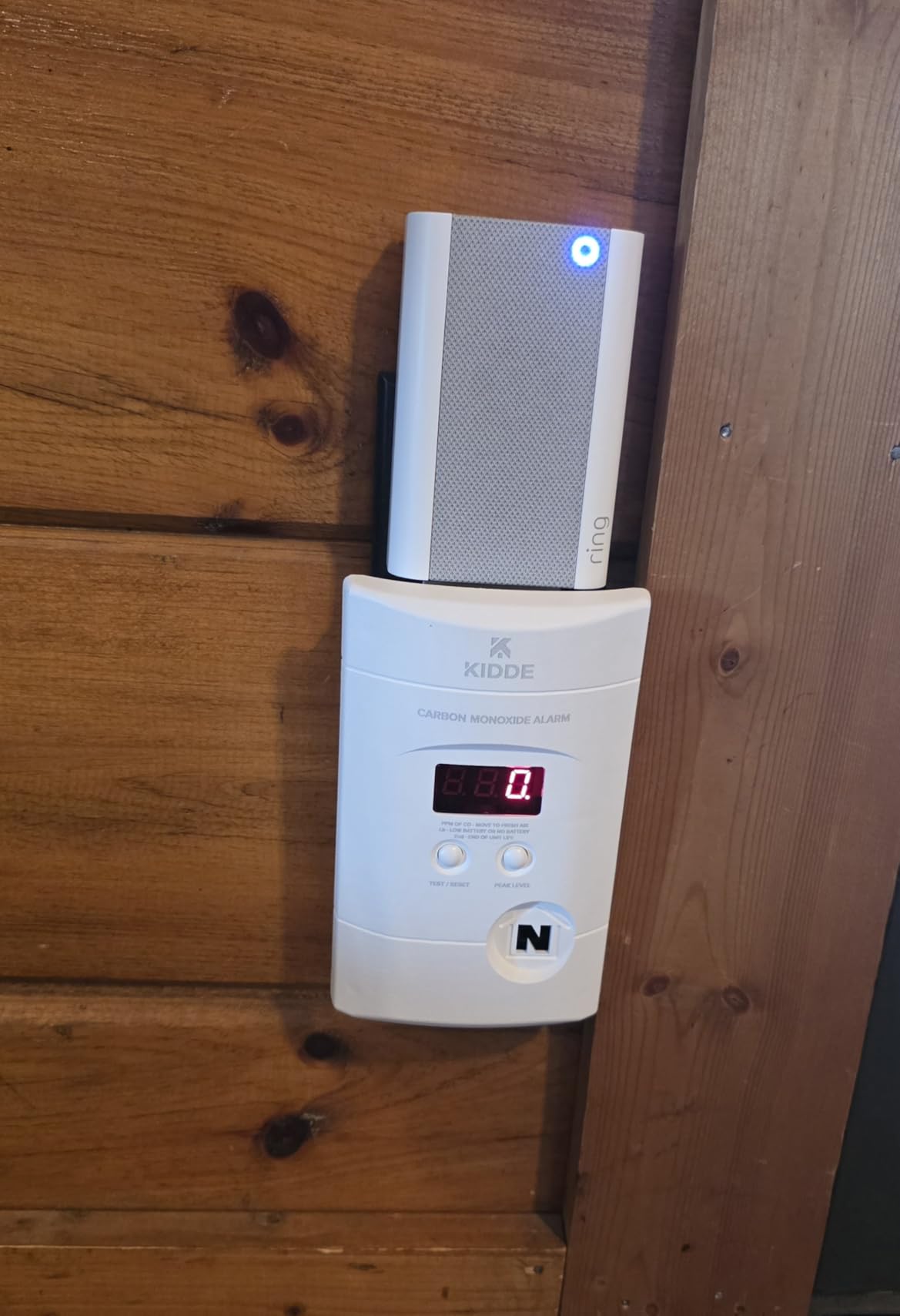
Homeowner forums consistently favour a numerical parts-per-million reading over an alarm-only unit, and this is the most established way to get one. When a furnace technician arrives, you can show them the highest reading the unit has seen instead of arguing about whether a chirp meant anything. Owners who have lived with an intermittent fault say that history is the single most useful feature on the box.
There is a practical trick worth knowing. The cord can be unwound from the back of the housing, which lets you move the unit away from the outlet faceplate and mount it on a wall where it is not blocking a plug you need. In a basement full of taped-off or unused outlets, that flexibility decides where the unit goes.
Every CO alarm eventually reaches the end of its sensor life, and this one tells you clearly by displaying END. That is honest behaviour rather than a fault, but it does mean a replacement on a fixed schedule rather than a device you keep indefinitely.
Some buyers also report the 9V backup battery failing sooner than expected, and the housing is a little larger than a non-display plug-in unit, which matters in a tight utility closet where the outlet shares a faceplate with the sump pump cord.
Plug-in AC plus battery backup
Electrochemical sensor
85 dB alarm
7-year warranty
This is the unit most people end up owning, and the reason is simple. It plugs into a standard outlet, keeps working on its backup battery through a power cut, and sounds an 85-decibel alarm when carbon monoxide reaches dangerous levels. For a furnace room in a rental or a first home, that is a complete answer with nothing left to add. It is also the least complicated way to cover a lower level when the outlet is the only factor you can control.
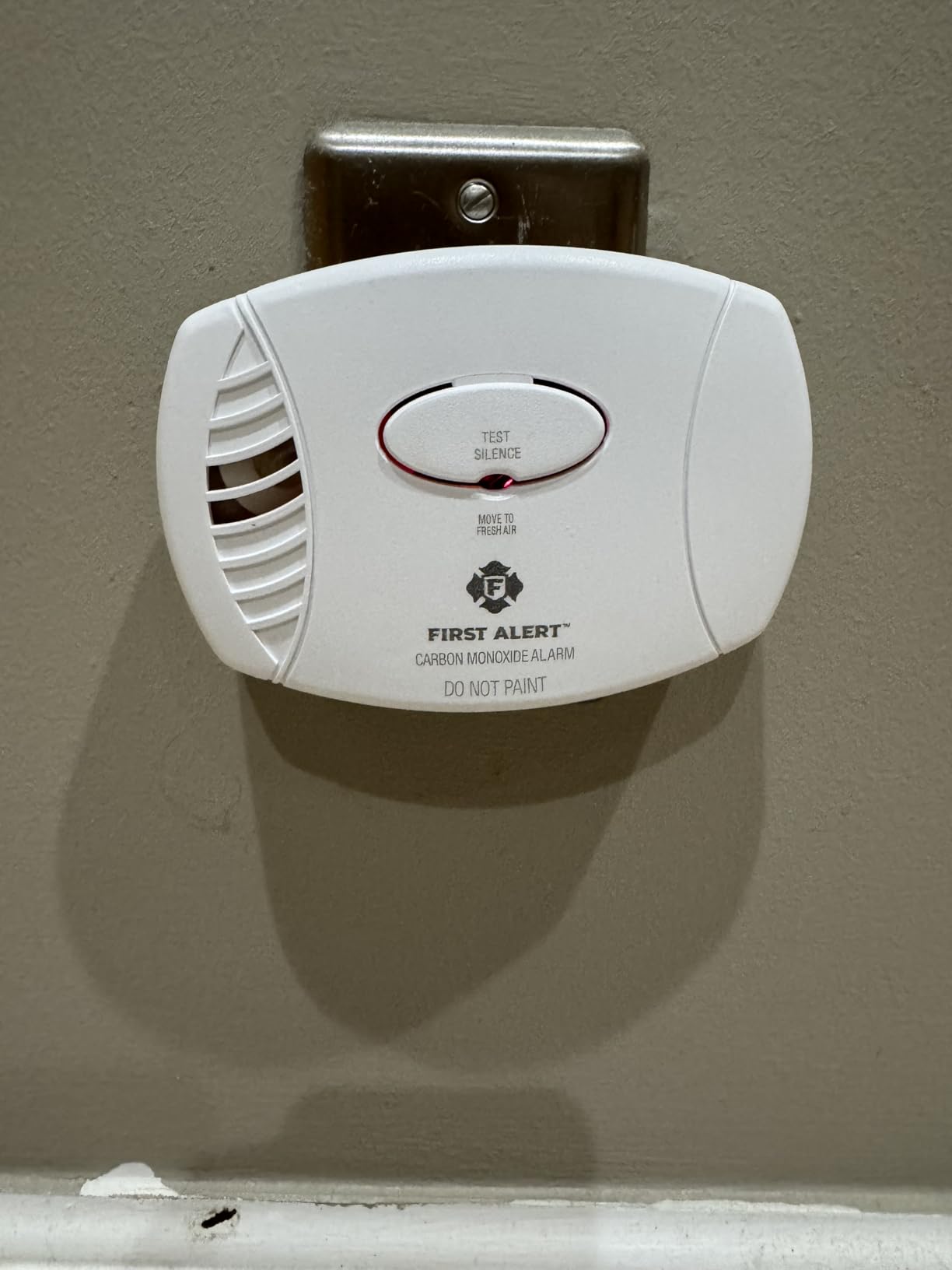
The electrochemical sensor is described by the manufacturer as detecting CO levels regardless of where the detector sits in the room, which matters when the nearest wall is the one with the outlet. The single test and silence button handles three jobs: testing the unit, acknowledging an alarm and muting the low battery signal for up to eight hours.
The end-of-life signal chirp is the feature reviewers mention most, because it tells you when the unit must be replaced instead of leaving you guessing. The warranty is seven years and the operating range is 10 to 95 percent relative humidity.
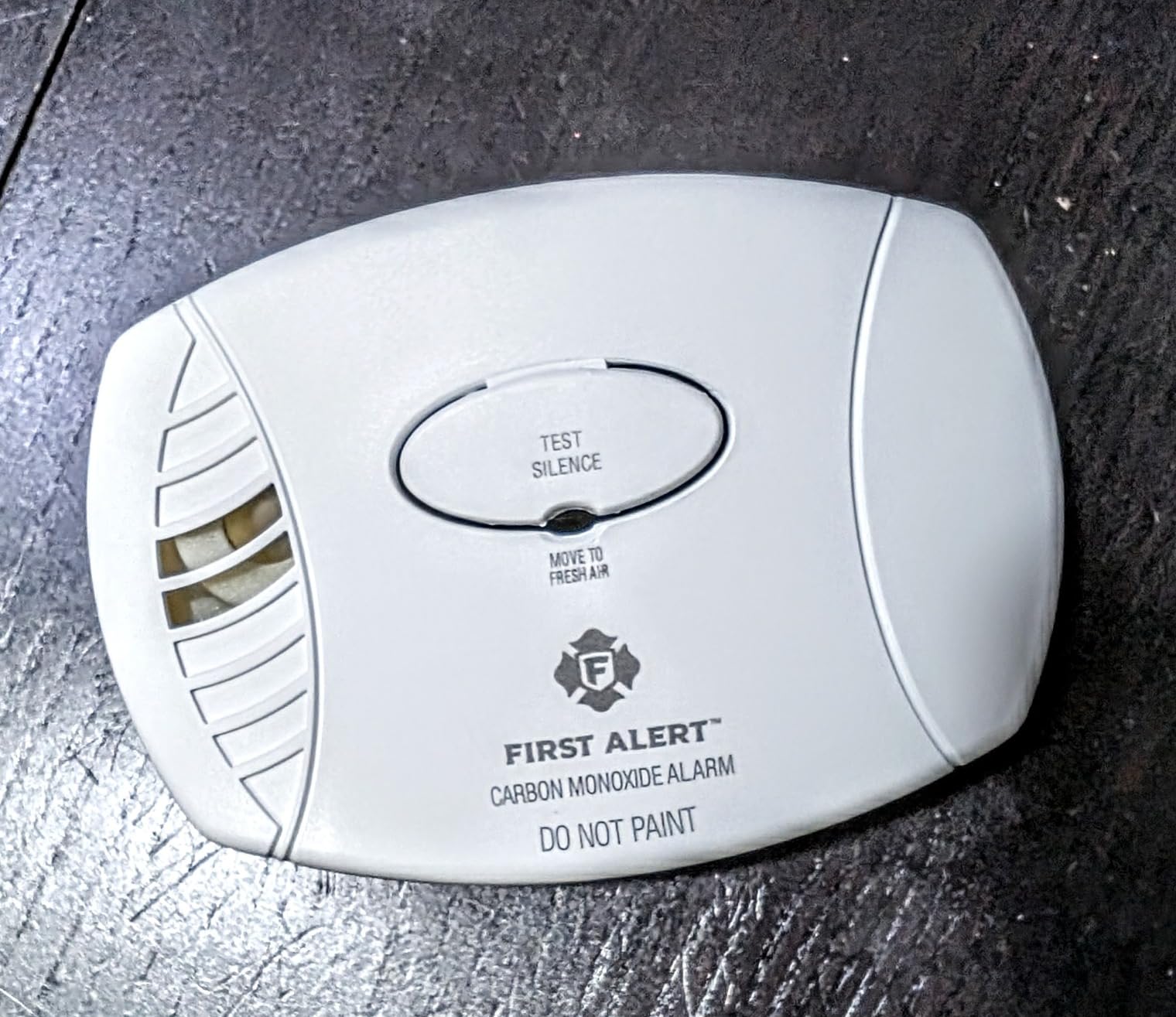
There is a real argument that you do not need a screen on the unit nearest the appliance. In a furnace room, the alarm is going to wake people up rather than be quietly read, and the detection threshold is what matters, not the intermediate number. This unit gets that job done with the least fuss and a compact body.
It is also a simple second layer to add. Once you have a display unit near where people sleep, a plain alarm in the mechanical room covers the source without adding another screen to read in the dark.
No display means no way to distinguish a brief spike from a sustained level after the event, which matters if your furnace is behaving intermittently. Owners who want to diagnose a chronic problem reach for peak level memory instead.
The listing does not name the backup battery type, so buy a known 9V alkaline rather than assuming a rechargeable will work. A small number of reviewers also note that the end-of-life chirp is easy to mistake for a real alarm on a quiet night, which is worth explaining to anyone else in the house before it happens.
9V battery powered
Electrochemical sensor
85 dB alarm
10-95% RH
Some of the best positions in a basement have no usable outlet. A finished ceiling, a stair soffit, the far side of a crawl space, the wall above a water heater closet. This unit solves that problem because it runs on a single 9V battery and includes both the cell and a mounting bracket.
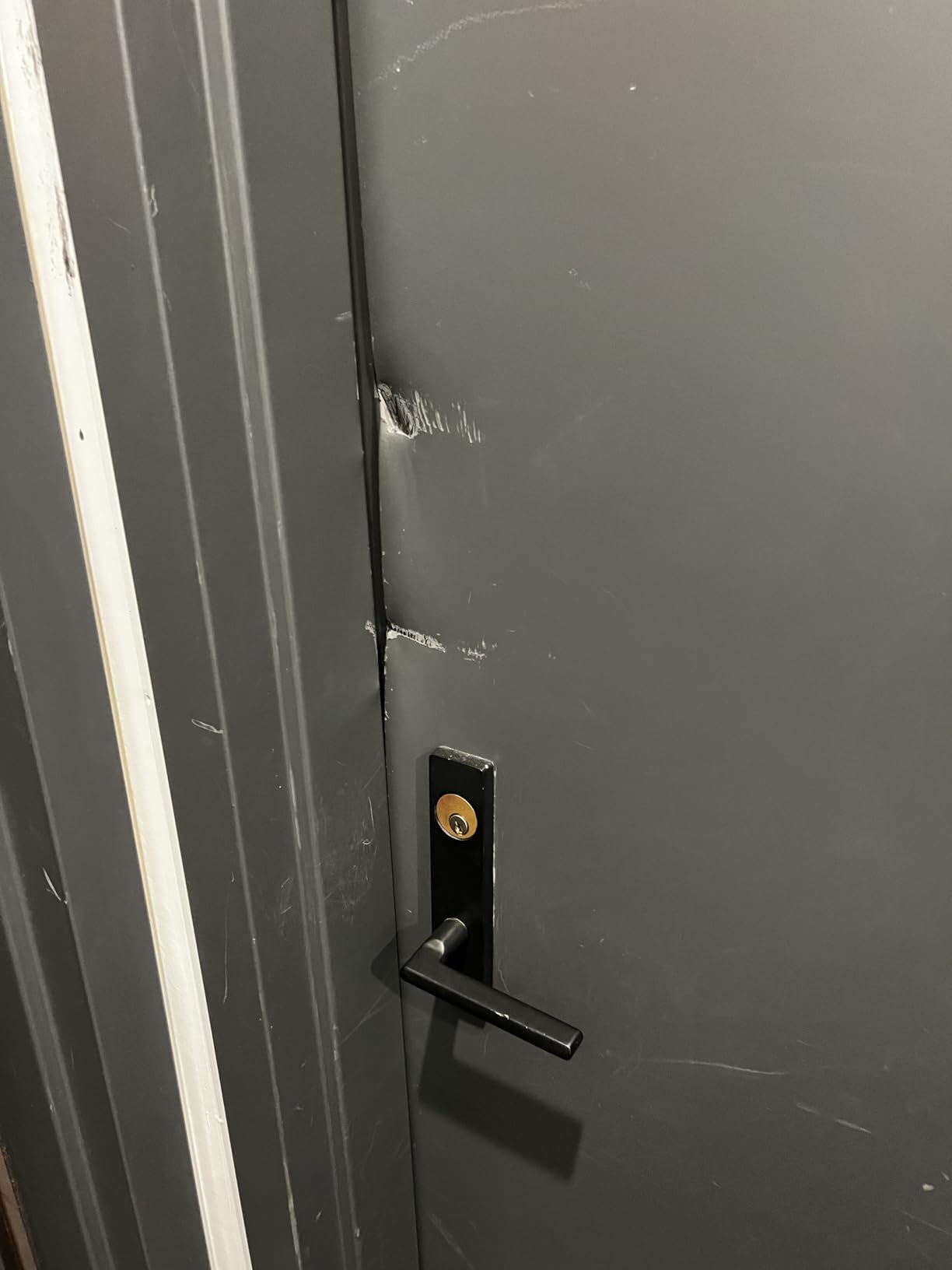
Reviewers treat it as the flexible, outlet-independent option and frequently buy it in multiples to place one per level, one near the bedrooms and one in the basement. A lot of those reviews are replacements bought after an older unit reached the end of its life, so it also serves as a straightforward like-for-like swap on existing brackets.
Travel and RV use comes up repeatedly in the reviews, and at 1 by 5 by 3 inches it is small enough to sit in a vehicle kit. The operating range is 10 to 95 percent relative humidity and the alarm reaches 85 decibels.
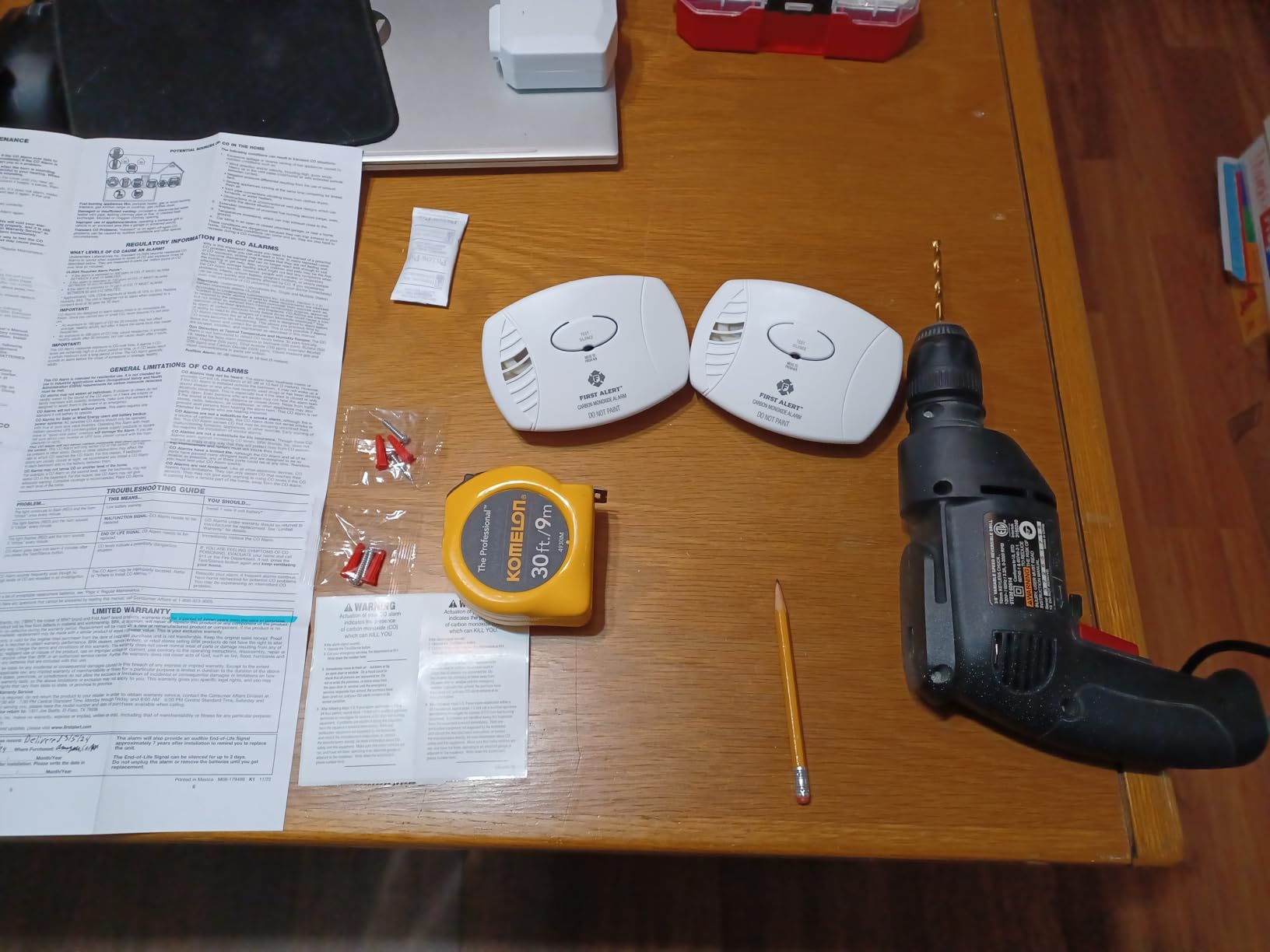
Hardwiring a basement detector back to the panel is rarely practical for a homeowner, and running a surface conduit to an outlet you do not have is even less so. A single 9V battery removes that entire problem, and because the alarm does not depend on the mains you can mount it in the spot the CO will reach first rather than the spot that happens to have power.
It is also the sensible companion to a plug-in unit. Plug-in at the outlet near the furnace, battery on the far wall where no wiring reaches.
The five-year warranty is the shortest in this roundup, and a 9V cell in a cold basement drains faster than a room-temperature one. The unit is also, like several others here, a sound-and-light alarm with no readout, so an alarm event leaves no numeric record behind.
Because the whole device hangs on one battery, a neglected low battery warning eventually means a silent detector. Pair it with a monthly test habit or pick a sealed-battery unit instead.
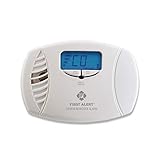
Digital CO level display
Peak level memory
2-AA battery backup
7-year warranty
This is the pick for anyone whose furnace has ever produced an unexplained reading. The peak level feature displays the highest carbon monoxide concentration the unit has measured, so when a technician asks what the machine saw last month, you can answer with a number instead of a shrug.
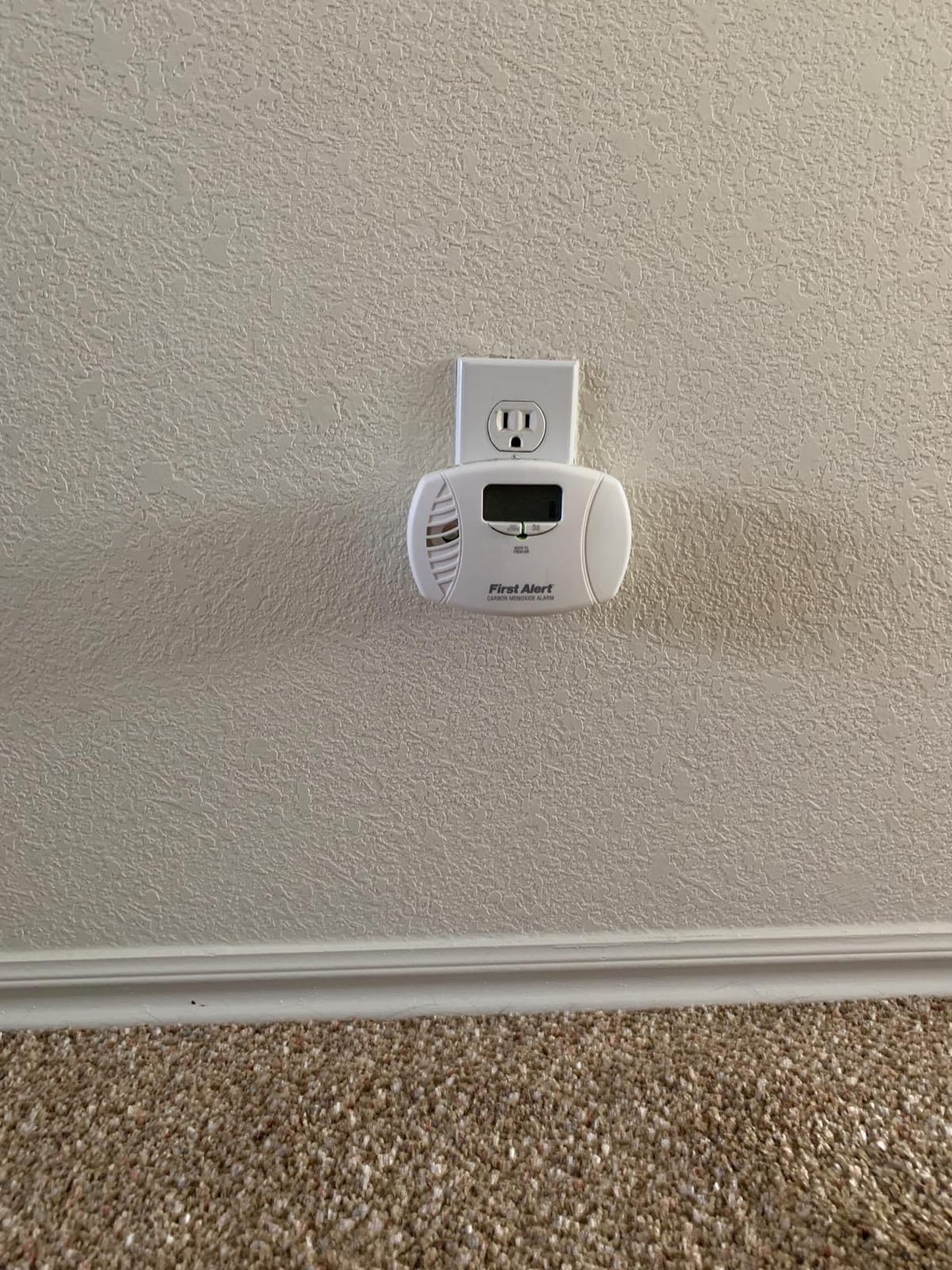
It plugs into any standard outlet, carries two AA batteries as backup, so a power failure does not end coverage. The digital display shows the live reading, and the 85-decibel alarm sounds when levels reach the dangerous range defined by the standard.
Reviewers who chose this over an alarm-only unit say exactly that: they wanted a readout they could glance at. The two-AA backup is also simple to change, which is the maintenance complaint most often raised against nine-volt backup designs.
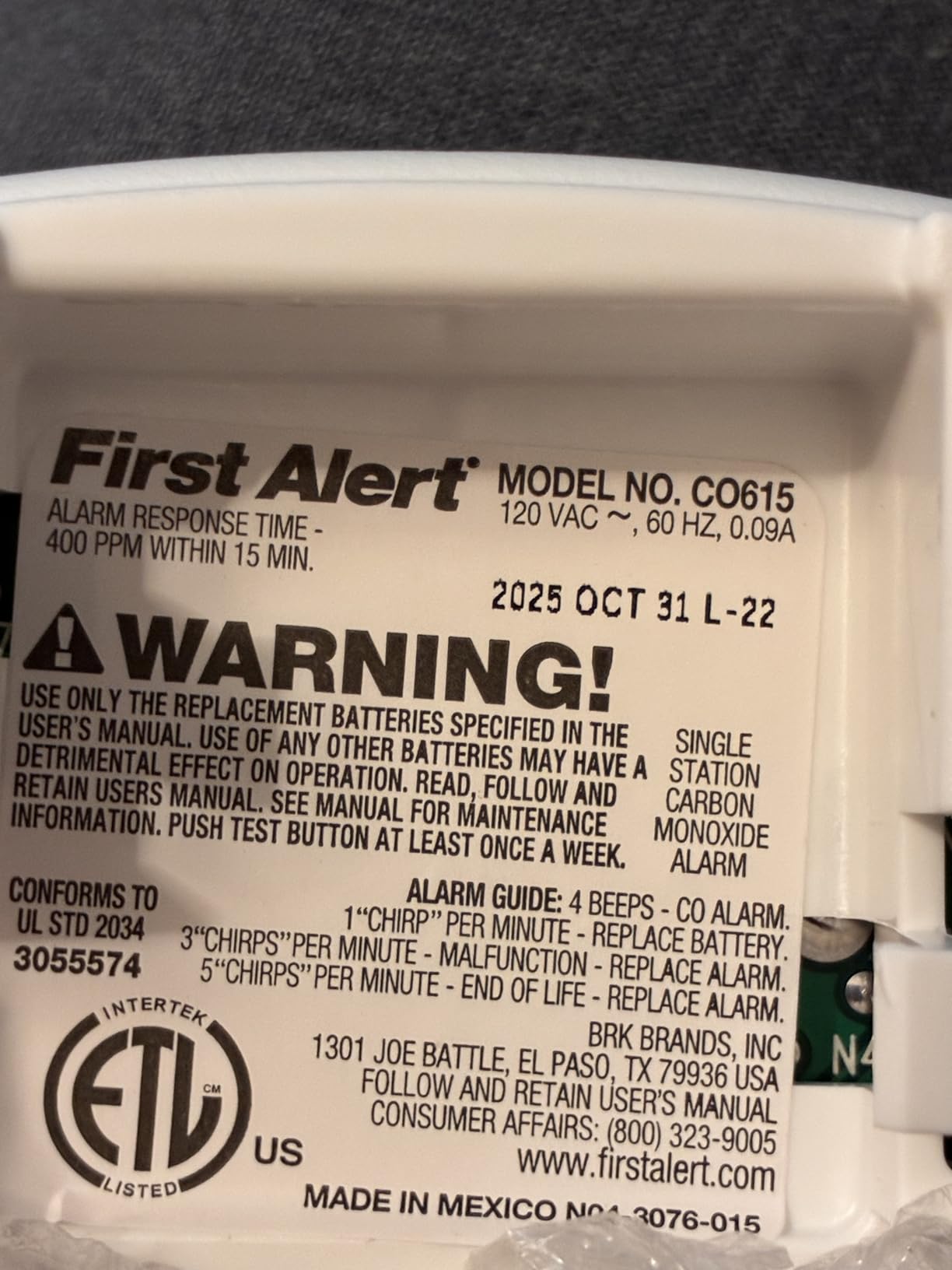
Most nuisance alarm complaints in basements are really reporting complaints: something made a noise once, nobody could reproduce it, and now nobody trusts the device. A stored peak reading converts that into information. It tells you whether the event was a brief spike, consistent with a startup transient, or a sustained level, which points at a combustion problem worth fixing.
It is the single feature homeowners on forums single out as the one they trust most for chasing an intermittent fault in an older home.
The size is the real drawback, since a bulkier housing is harder to fit on a crowded outlet faceplate in a tight utility room. The extra spend is only justified if you will actually use the reading.
Note that the peak reading resets when you clear the alarm, so write the number down or photograph the display before pressing reset.
Smoke plus CO sensors
10-year sealed battery
LCD ppm readout
ETL listed
Most basements need a smoke alarm more than the main house does, because that is where a wiring fault, a storage box fire or a furnace-room problem starts. This unit pairs a photoelectric smoke sensor with an electrochemical carbon monoxide sensor in a single sealed-battery case, and the two hazards are handled by the right type of sensing for each.

The 10-year sealed lithium battery is the feature that decides this pick for an unfinished basement. There is nothing to swap, no low battery chirp at an awkward hour, and no reason for anyone to climb a ladder in February because a joist-mounted unit needs new cells. Owners with rough-in ceilings, exposed joists and high mounting points talk about this advantage constantly.
The large LCD shows real-time carbon monoxide levels, the battery level and the working status, so you can confirm at a glance that the unit is alive. It is ETL Listed to UL 217 for smoke and UL 2034 for carbon monoxide, and the hardware for wall or ceiling mounting is included.
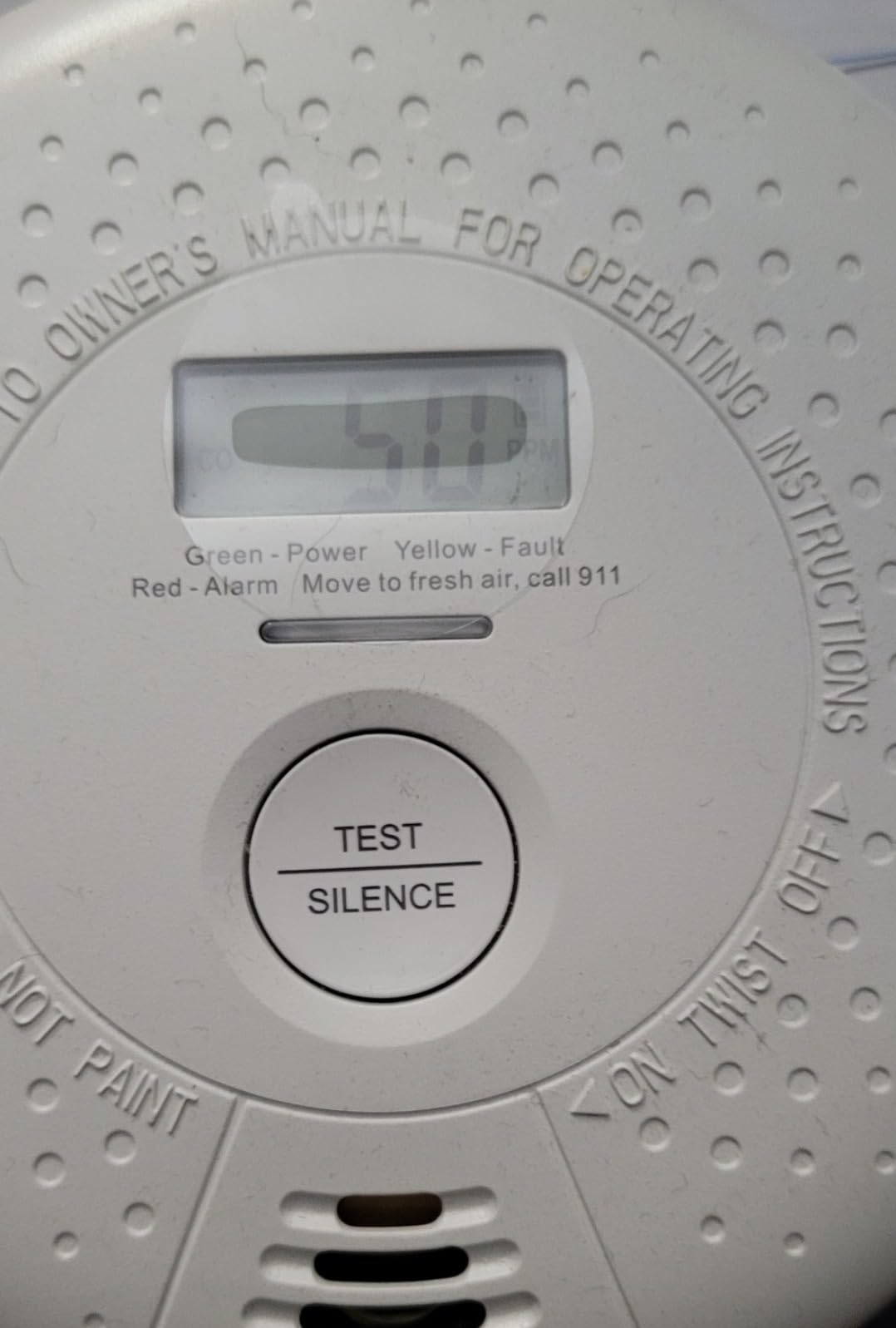
Two separate alarms on the same unfinished ceiling means two mounting jobs, two batteries and two test routines. One combined unit cuts that in half, and the photoelectric sensor is the better choice for slow smoldering fires in a room full of cardboard and stored furniture, which is the normal contents of a finished or storage basement.
The stated operating humidity is 90 percent, which suits a damp space better than most combination units advertise.
This is a standalone unit. It is not hardwired, and in most configurations it will not join an interconnected alarm network, so a basement alarm will not automatically wake the people asleep upstairs. In a home where CO travels up a stairwell, that silence upstairs is the gap to cover with a second detector.
The five-year warranty also sits awkwardly against a ten-year battery, so plan on a replacement cycle shorter than the battery life.
Interconnectable combination alarm
9V battery included
7-year warranty
If your basement ceiling is already wired into a BRK or First Alert interconnected system, this is the least disruptive upgrade available. It interconnects with existing hardwired smoke and carbon monoxide alarms, and the universal mounting bracket means it can sit where the old unit was without rewiring.
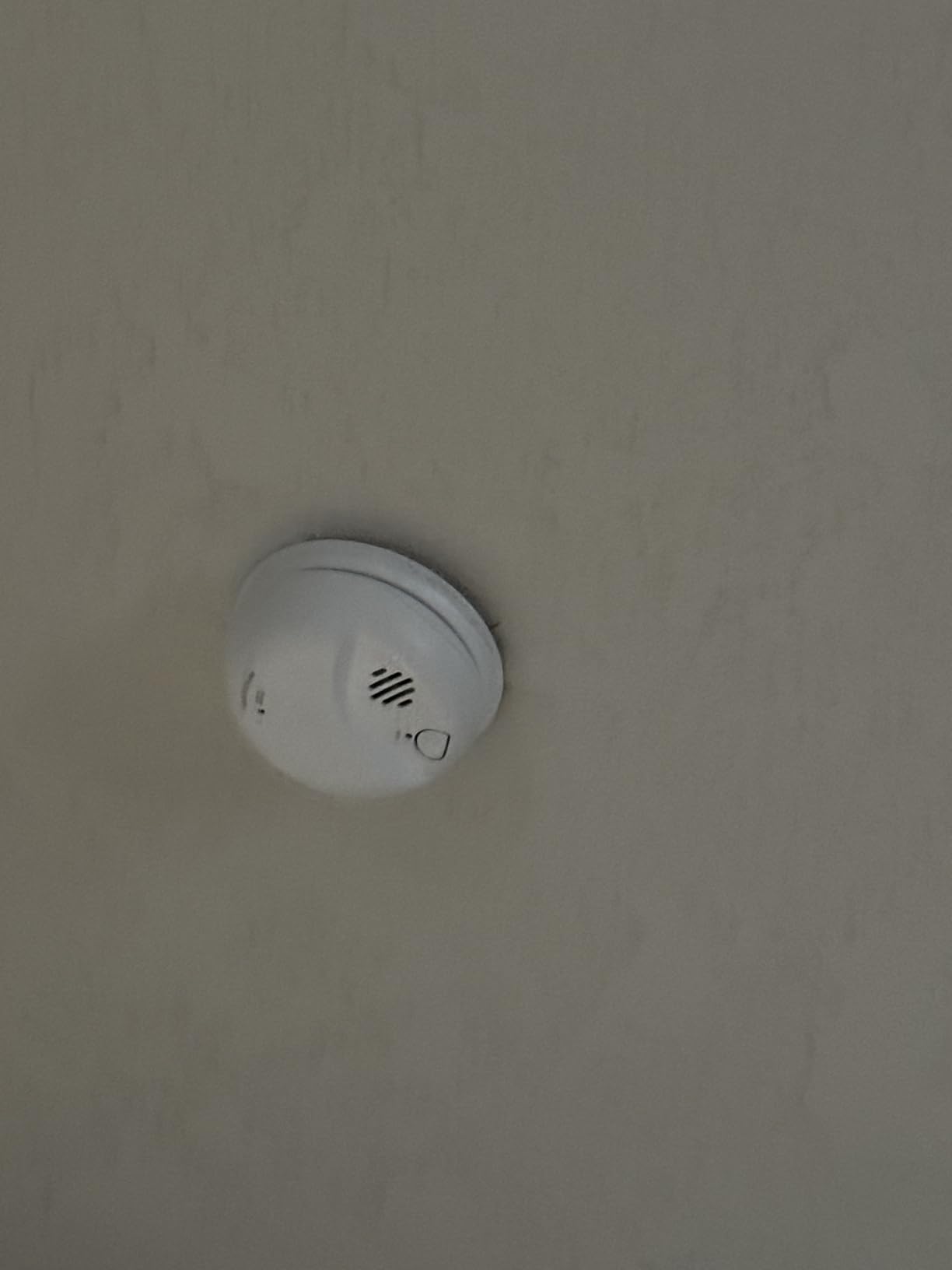
Almost every review of this product is a replacement purchase by a household that already runs that wiring, and the value is entirely in the fit. Separate latching indicators let you tell a smoke event from a carbon monoxide event after the fact, which is useful in a basement where a storage fire and a furnace fault are the two likely causes and demand different responses.
A 9V alkaline battery is included, the test and silence button is straightforward, and the warranty is seven years.
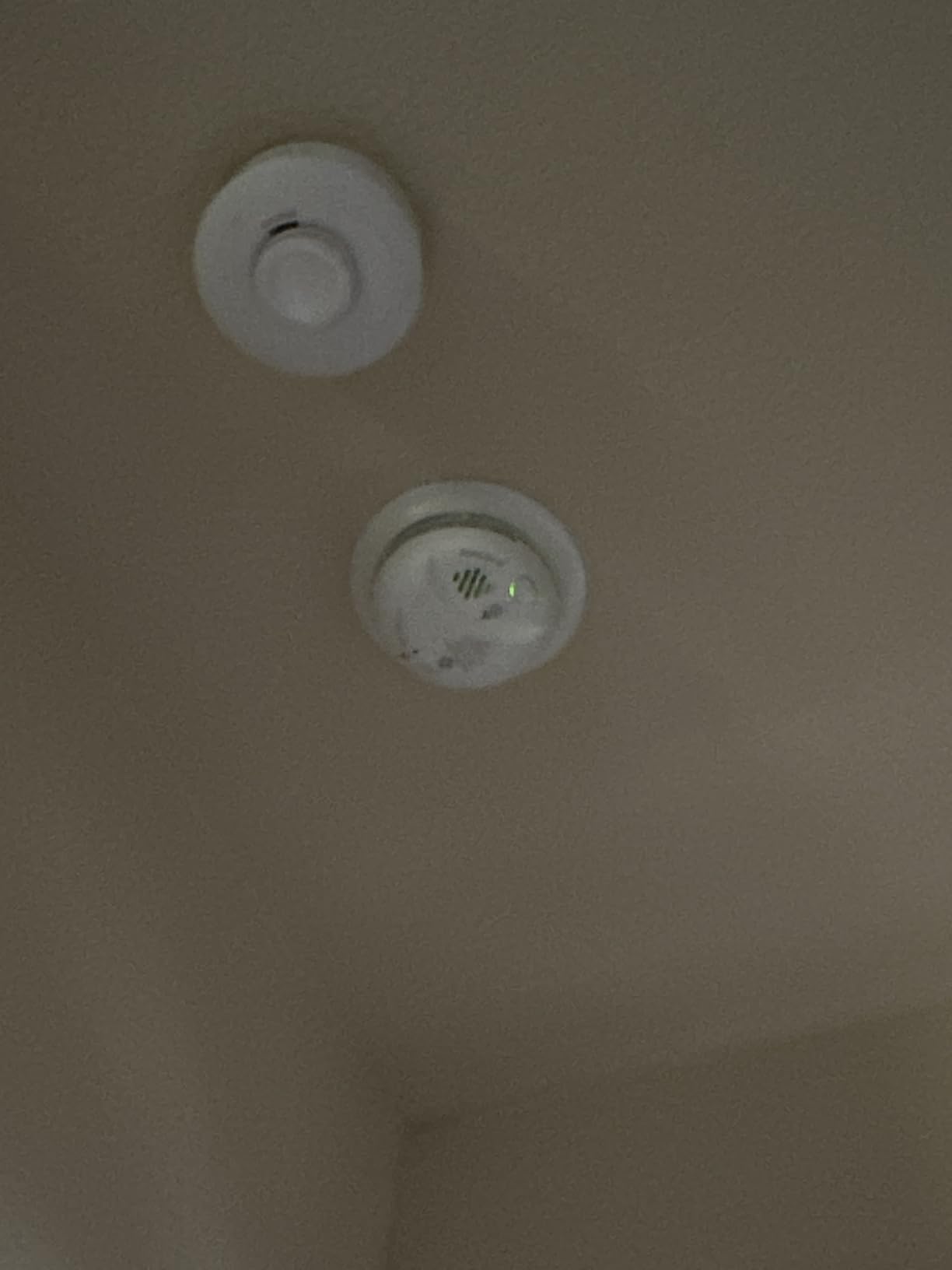
An interconnected network is the difference between an alarm that wakes the people in the basement and an alarm that wakes the whole house. Since carbon monoxide migrates upward from a basement mechanical room, a basement-only unit that cannot call upstairs can leave your sleeping family uninformed until symptoms appear.
For owners of an older home with existing alarm wiring, this is also the cheapest path to extending coverage to a lower level without opening walls.
There is no carbon monoxide level display, so an event leaves no numeric record. The dual ionization smoke chamber is also less responsive to slow smoldering fires than a photoelectric sensor, which is a consideration if the basement is used for storage.
The most serious complaint in the reviews is durability. A number of owners report alarms ceasing to function after roughly three years, well short of the seven-year warranty. If you fit one, write the installation date on the housing and treat the first three years as a trial.
Plug-in with 10-year battery
False-alarm-tuned sensor
Foldable plug
This is the pick for a basement workshop with a vehicle in it, for a garage conversion, or for anyone who wants one alarm that travels. The ten-year battery is replaceable rather than sealed, and the foldable plug design makes the unit small enough to pack in luggage.
The manufacturer specifically describes the electrochemical sensor as engineered to minimize false alarms, which is the feature that matters most in a damp garage or workshop. The soft breathing-style green status light is also genuinely less disruptive than a hard blinking LED if the unit ends up near a bed in an RV or a converted space.
Installation is plug and play in any standard outlet, and the company describes it as providing uninterrupted protection through power outages.
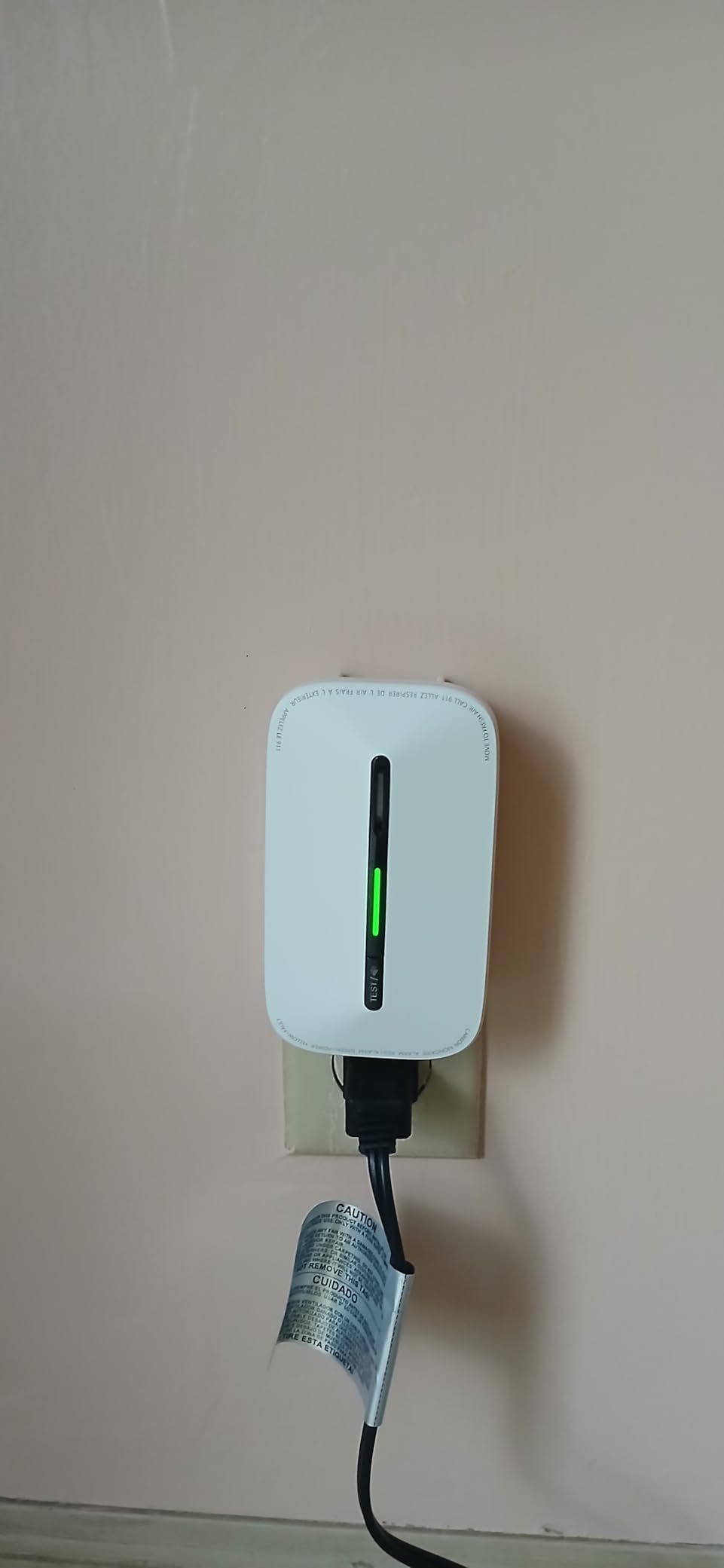
If you have a basement, a detached garage and a travel trailer, buying three dedicated alarms is rarely necessary. A plug-in model with a decade of battery life can move between them, and the foldable plug means it packs rather than needing a suitcase. RV owners in particular care about false alarms, because a nuisance chirp at night in a confined space is genuinely disruptive.
It is also a reasonable second unit in a house where the first alarm is buried behind a joist you would rather not climb to twice a year.
No reviewer mentions a numeric display, and the specification sheet does not claim one. If you plan to use it as your primary basement alarm, you are giving up the readout that most owners say they rely on.
The review base is far smaller than the established brands, so long-term failure patterns are less visible. Treat it as a good travel and secondary unit rather than the only alarm protecting a combustion source.
UL 2034 5th Edition
FIGARO sensor
10-year battery
70mm housing
At 70 millimetres across, this is a compact unit, and in a basement that matters more than it sounds. Water heater closets, joist bays between ducts, the underside of a finished stair tread and RV cabinetry all reject a normal-size alarm, and this one fits where the others do not.
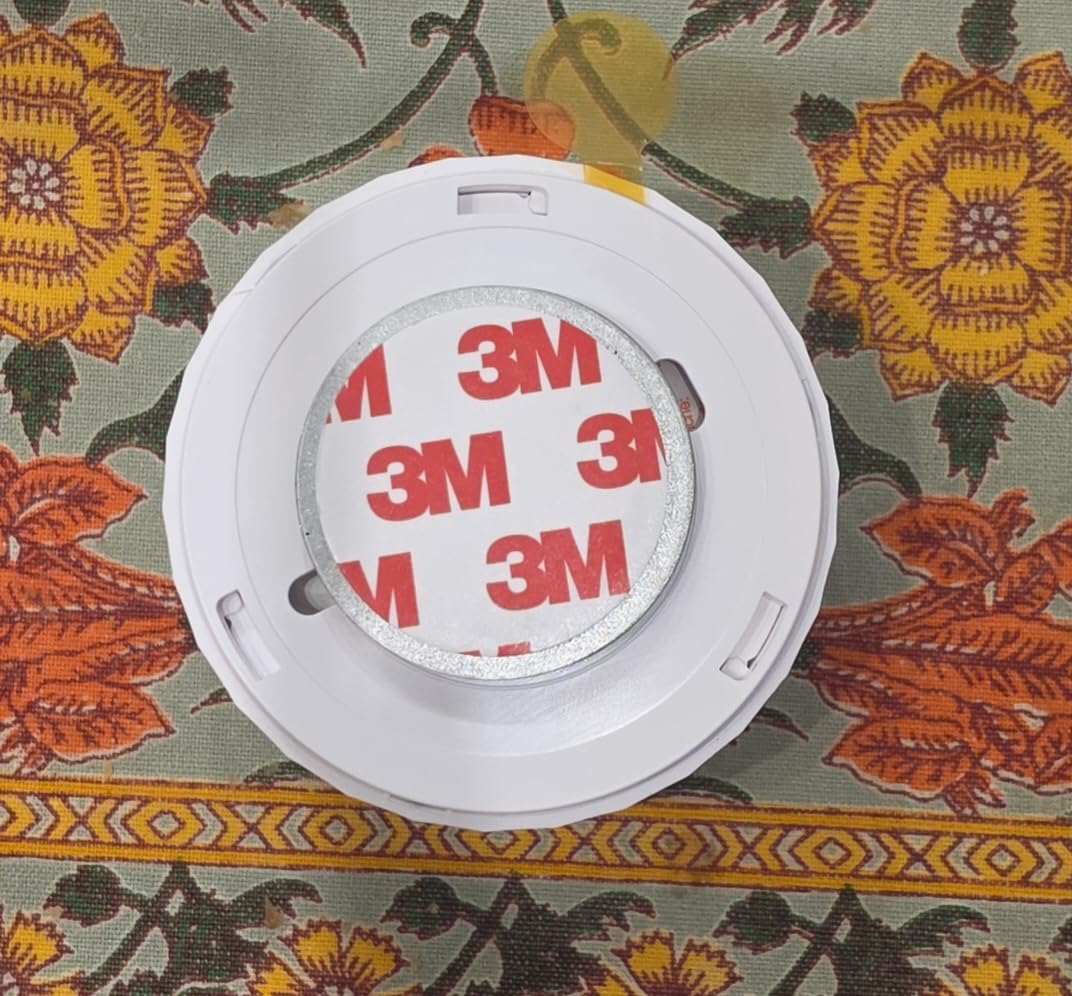
Certification is the strongest part of the specification. It is UL 2034 5th Edition certified and CSFM approved, and the housing is UL94 V-0 rated flame-retardant material. The sensing element is a FIGARO electrochemical sensor made in Japan, chosen for tracking low-level carbon monoxide faster than a standard alarm.
The 85-decibel audio-visual alarm is loud for a unit this size, and the long-life lithium battery runs ten years without hardwiring. Mounting works on a wall, a ceiling or a desktop.
Basement detection rules keep pushing you away from the appliance and towards the breathing zone, which in a utility room can put the only sensible location behind ductwork. A compact unit lets you take the safe position instead of the convenient one. It is also the natural choice for a camper or a rental where you want a real alarm without a visible fixture.
Owners consistently mention size and battery life as the reasons they are happy with it.
This is the lowest-rated product here at 4.4, with roughly seven percent one-star reviews, and the reason is worth taking seriously. A number of owners report that in a vehicle exhaust test the unit stayed silent until they pressed the test button. That is a question about low-level sensitivity in a real installation, not just a laboratory result.
If your concern is a chronic low-level leak from an aging appliance, verify it with a meter or choose a unit with a display and peak memory. The absence of any CO level readout is the other limitation.
CO plus explosive gas detection
Digital display with GAS mode
9V battery backup
A gas water heater, a boiler or a propane appliance in the same room as a furnace is the case where a combination alarm makes sense. This unit watches for carbon monoxide and for explosive natural gas or propane at the same time, and the display switches between a numeric CO reading and a GAS warning so you know which one you are dealing with.
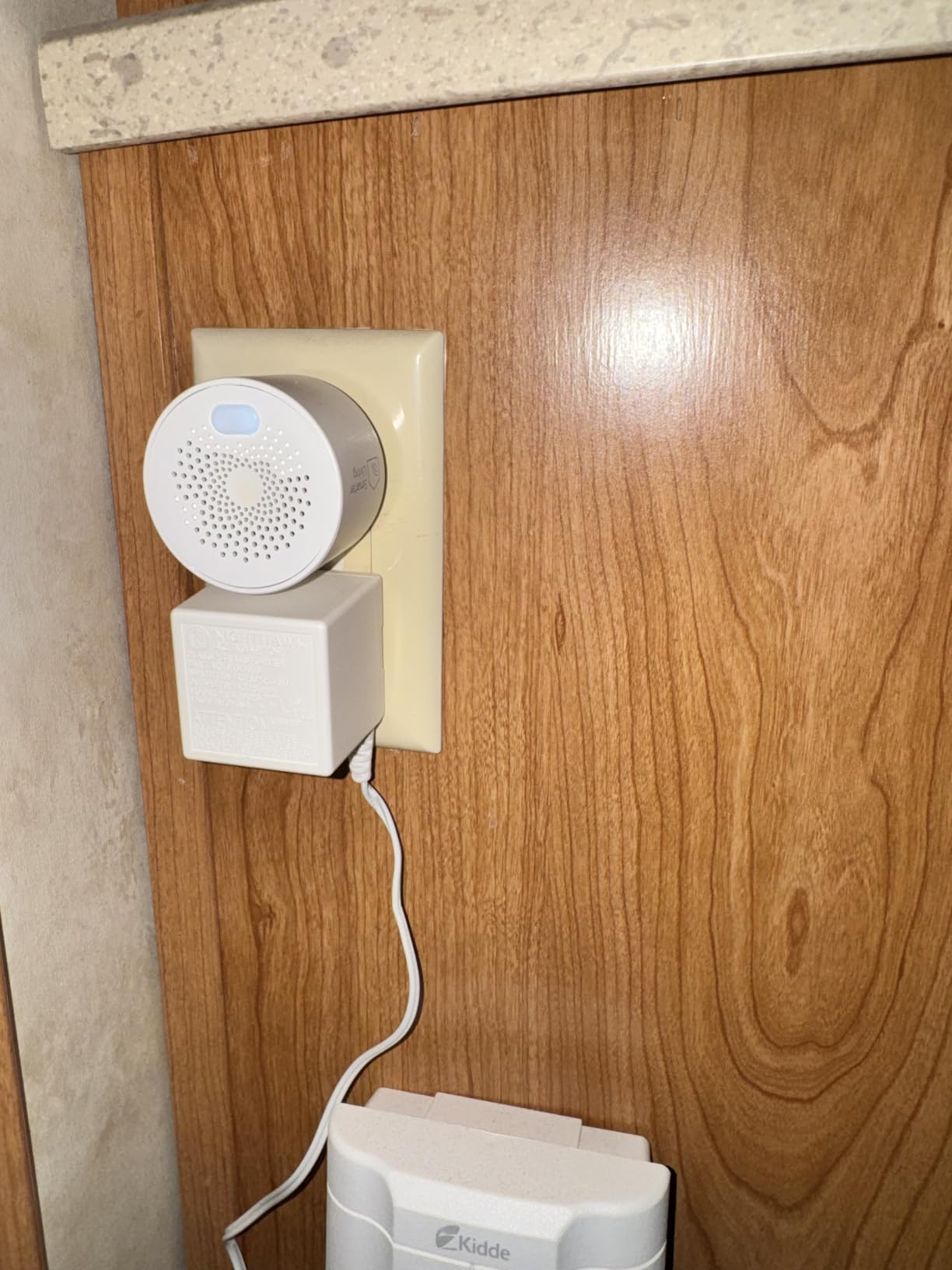
Homeowner forums single out this type of unit as the most-recommended option for exactly that reason, and the reasoning is practical: one alarm instead of two, one outlet, one test routine. The 9V backup keeps protection going through an outage, and peak level memory records the last detection or test event.
It plugs into a standard 120V outlet, alarms at 85 decibels, and the stated operating range is 5 to 95 percent relative humidity non-condensing, which is wide enough for a mechanical room.
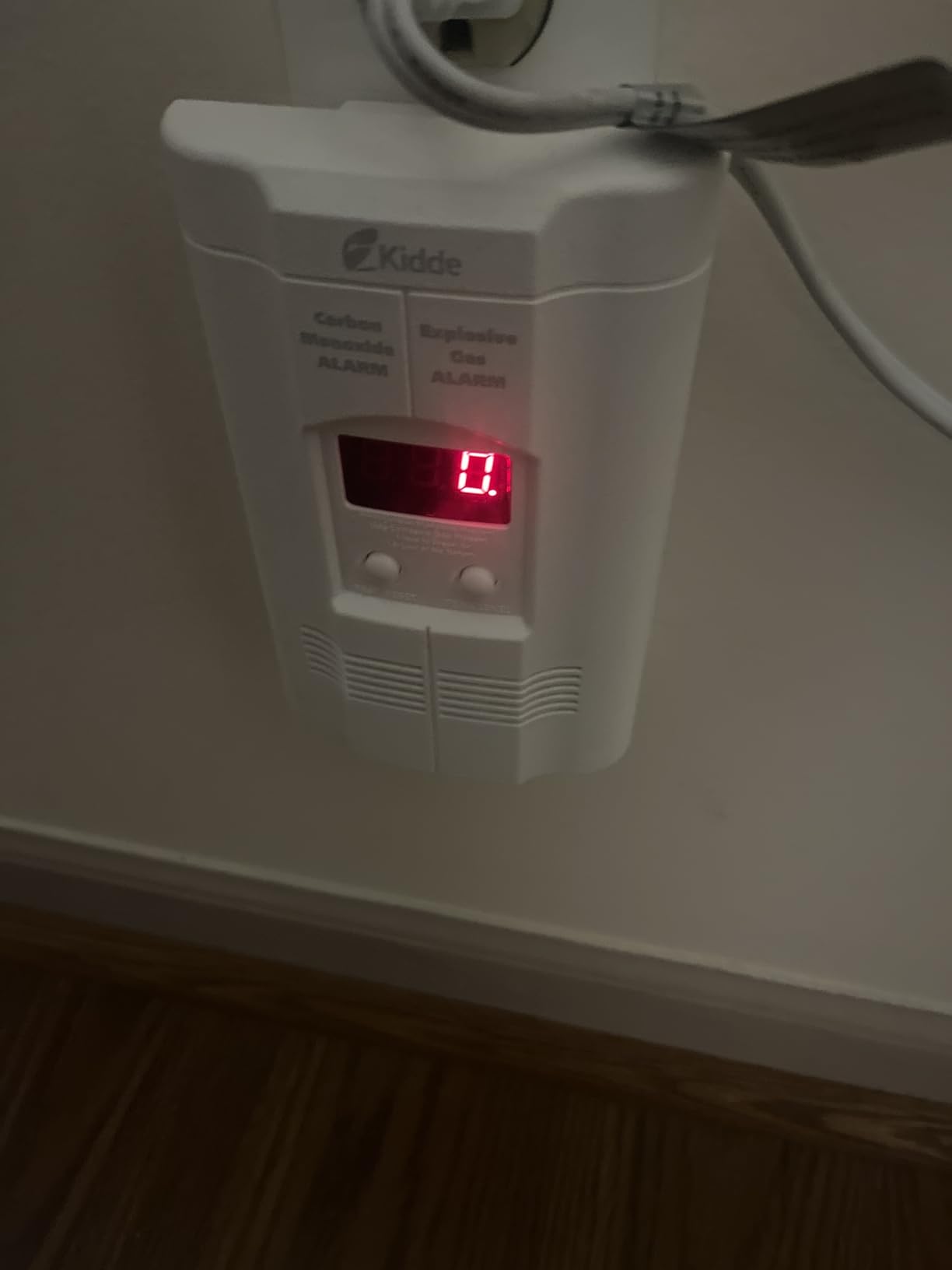
Carbon monoxide is the product of incomplete combustion. Raw, unburned gas escaping from a flex connector or a valve is a different hazard with a different smell, and it tends to accumulate low in a room before it reaches a detector mounted at breathing height. A combination unit closes that gap with one device rather than two competing alarms in a small space.
For a home with a gas range in the basement, a gas boiler or a water heater that is more than a decade old, the extra coverage is worth the larger housing.
There is also no smart or Wi-Fi connectivity despite the digital display, so you will not get phone alerts from a unit installed in the least watched room in the house. The housing is larger than a CO-only plug-in alarm needs to be.
The highest proportion of one-star reviews sits with this model among the plug-in alarms here, and comments point to early failures that needed replacement parts. Verify the unit with the test button on installation day and again monthly, and keep the receipt for warranty work.
Yes, put a carbon monoxide detector in your basement. The International Association of Fire Chiefs recommends at least one on every level of the home, and the basement is the level where the source usually lives, so it is the level with the most to gain from coverage.
Mount it on the ceiling or high on an interior wall, well away from the appliance. Carbon monoxide mixes with air and rises, so the concentration near the floor directly under a furnace can be far lower than the concentration at a person’s head, a few feet away.
Keep clearance from the combustion source. Firefighter and indoor-air-quality guidance is consistent on the principle: mounting a detector directly over or immediately beside a furnace, boiler or water heater exposes the sensor to heat, humidity and combustion by-products that cause nuisance alarms and wear the electrochemical cell out faster. Our practical rule is at least three feet of horizontal clearance from any combustion appliance, further if the room allows it.
Stay away from vents, air returns, a dehumidifier outlet, a sump pump discharge and any supply or return register. Airflow carries whatever the detector samples toward or away from the sensor and makes readings unreliable in both directions. A detector directly above a dehumidifier is a common mistake, and the condensation it produces is exactly the damp, wet environment the sensor does not need.
For a finished basement, one unit in the mechanical room and one on the stairway or hallway ceiling level give you the best return. The second unit catches CO that has travelled up out of the basement, which is the configuration homeowners most often describe using in practice. For water intrusion, pairing your detector plan with basement water leak detectors covers the other basement-specific failure mode, and if your sump is undersized you will also want to read our basement sump pump picks.
Finally, choose a mounting spot you can actually reach. A unit screwed into a joist that needs a ladder will eventually go untested, and an untested alarm is an unverified assumption.
High humidity is primarily a trigger for smoke alarms rather than carbon monoxide alarms, but in a damp basement it causes nuisance events in combination units, and damp basements are exactly where combination units get installed. The electrochemical sensor in a CO-only alarm is more tolerant, which is why the wide humidity ratings on the picks above matter.
The four causes we see repeatedly are condensation on or inside the housing, a detector mounted in the airflow path of a dehumidifier or supply register, a detector positioned so close to a combustion appliance that startup transients reach it, and a low or failing battery that produces a chirp owners misread as an alarm.
Condensation is the sneaky one. A cold basement with warm humid air entering through a stairwell can form water droplets on the underside of a ceiling-mounted detector, and those droplets sit on the sensing element. Relocate the unit away from the coldest exterior wall and away from any point where condensation forms, and if you must mount on that wall, add a small air gap between the housing and the surface.
Low-level carbon monoxide from an aging furnace is a different problem from a nuisance alarm. A chronically under-performing appliance can produce a steady low reading that never crosses the alarm threshold, which is why a digital display and peak level memory are worth having in a home with an older heating system. If your display shows a persistent non-zero number when the appliances are off, that is a service call, not a false alarm.
If a carbon monoxide alarm sounds in your basement, leave the building immediately with everyone in it and call the fire department or emergency services from outside. Do not try to find the source, do not open doors and windows on your way out, and do not re-enter until the fire department clears the building.
Nobody is poisoned by standing near a CO alarm, so the reason to get out is the gas rather than the noise. Once you are outside, call emergency services and then the utility or your HVAC technician. If the alarm stopped on its own and everyone is accounted for, the fire department still needs to check the appliance before you go back inside.
Not every sound means CO. Before you evacuate a house in the middle of the night, it helps to know the difference. A single chirp every minute or so is usually the low battery warning. A continuous short beep, often accompanied by a message or a flashing indicator, is the end-of-life signal telling you the sensor has reached the end of its service life. A double beep every five seconds, or a solid tone from a unit with a reading on the display, is a real alarm.
Our own rule: if you cannot identify the sound within thirty seconds, get out and make the call. The cost of an unnecessary evacuation is a night on a neighbour’s sofa. The cost of a delay is measured very differently.
Check for UL 2034 listing first, and treat anything without it as a toy. UL 2034 is the United States standard residential carbon monoxide alarms must meet, covering sensor response time and the concentration-and-time relationship at which the alarm must sound. Firefighters and safety bodies treat it as a baseline, not a premium feature.
For accuracy, look for an electrochemical sensor and a digital readout in parts per million. A unit that only sounds gives you no way to tell a 30 ppm event from a 300 ppm event, and a display lets you check whether a fault is ongoing. Peak level memory, which stores the highest reading since the last reset, is the single most useful diagnostic feature on an intermittent furnace.
For power, choose sealed ten-year batteries if the unit goes high on a joist or in a cold room you do not enter often. A cold basement drains a replaceable cell faster, and a ladder is a bad monthly habit. Choose a plug-in unit with battery backup if there is a usable outlet near the source, and expect a nine-volt or two-AA cell to fail eventually either way.
Check the operating humidity range. Most quality alarms specify 10 to 95 percent relative humidity non-condensing, and some claim 5 percent at the low end. Anything rated below 90 percent at the top of the range deserves a second thought in a laundry or dehumidifier corner.
For interconnected homes, choose a unit that joins an existing BRK or First Alert wired network, or a wireless interconnected model if you want a basement alarm to reach bedrooms upstairs. Note that many standalone sealed-battery alarms will not interconnect, so a basement alarm can sound alone in a house where CO has already travelled upward.
For maintenance, press the test button once a month and note the date you installed each unit. Most alarms carry a printed end-of-life date five or seven years after manufacture, and the replacement cycle is driven by the sensor, not the battery. For basement water problems alongside CO, our water leak detector guide covers the flooding side of the same room.
Finally, check your state and local requirements. CO alarm laws vary considerably by state and many municipalities go beyond them, and a landlord or tenant situation brings its own obligations. We deliberately do not reproduce state tables here because they change; look up your own jurisdiction before you buy more units than you need.
Yes. The International Association of Fire Chiefs recommends a CO detector on every level of the home, including the basement, and the basement is where combustion sources such as furnaces, boilers and water heaters usually sit. Mount it on the ceiling or high on a wall, at least three feet from any combustion appliance and away from vents and dehumidifier airflow.
Look for an electrochemical sensor and a UL 2034 listed alarm with a digital parts-per-million readout. Accuracy in practice comes down to whether you can see a rising number before it becomes dangerous, which is why display models are more useful in a basement than alarm-only units. Peak level memory records the highest reading since the last reset, which is the best tool for diagnosing an intermittent furnace fault.
Firefighter and safety bodies consistently point to a UL 2034 listed alarm on every level of the home, with units placed on the ceiling or high on a wall and away from the appliance. NFPA 720 guidance covers placement, and the International Association of Fire Chiefs recommends coverage on every floor including the basement. Certification is the baseline, not an upgrade.
High humidity is mainly a smoke alarm trigger, but condensation and damp air cause nuisance events in combination smoke and CO units, and any detector mounted near a dehumidifier or in a supply-air path reads unreliably. CO-only units with wide humidity ratings, such as 10 to 95 percent relative humidity non-condensing, tolerate a damp basement much better. Relocating the unit away from condensation and airflow paths solves most cases.
Leave the building immediately with everyone in it and call emergency services from outside. Do not search for the source, do not open windows on the way out, and do not re-enter until the fire department clears the building. A single chirp once a minute is usually the low battery warning and a continuous short beep is the end-of-life signal, but if you cannot identify the sound within thirty seconds, get out and make the call.
Neither is inherently more accurate. Hardwired units keep working through outages without a battery, which matters if you can run cable to a lower level, but they are more work to install. Sealed ten-year battery units are the best choice when the detector goes high on a joist or in a cold room you rarely enter, because there is nothing to forget to replace.
The Kidde KN-COB-LP2 is the best carbon monoxide detector for most basements in 2026. It needs no wiring, keeps sensing through a power cut, tolerates a damp room, and carries the largest review base we could find, which means its failure patterns are visible rather than hypothetical.
If you want to read the number rather than only hear it, the Kidde KN-COPP-3 is the upgrade, and its peak level memory is the fastest way to settle an argument with a furnace technician. For a damp storage basement that also needs smoke coverage, the X-Sense SC01 removes battery maintenance for a decade, and for a gas utility room the Kidde KN-COEG-3 watches explosive gas and CO on the same display.
Whichever one you choose, buy it from a UL 2034 listed source, mount it high and three feet clear of any combustion appliance, press the test button once a month, and write the installation date on the housing. For a broader look at alarms for the rest of the house, read our general carbon monoxide detector roundup.