
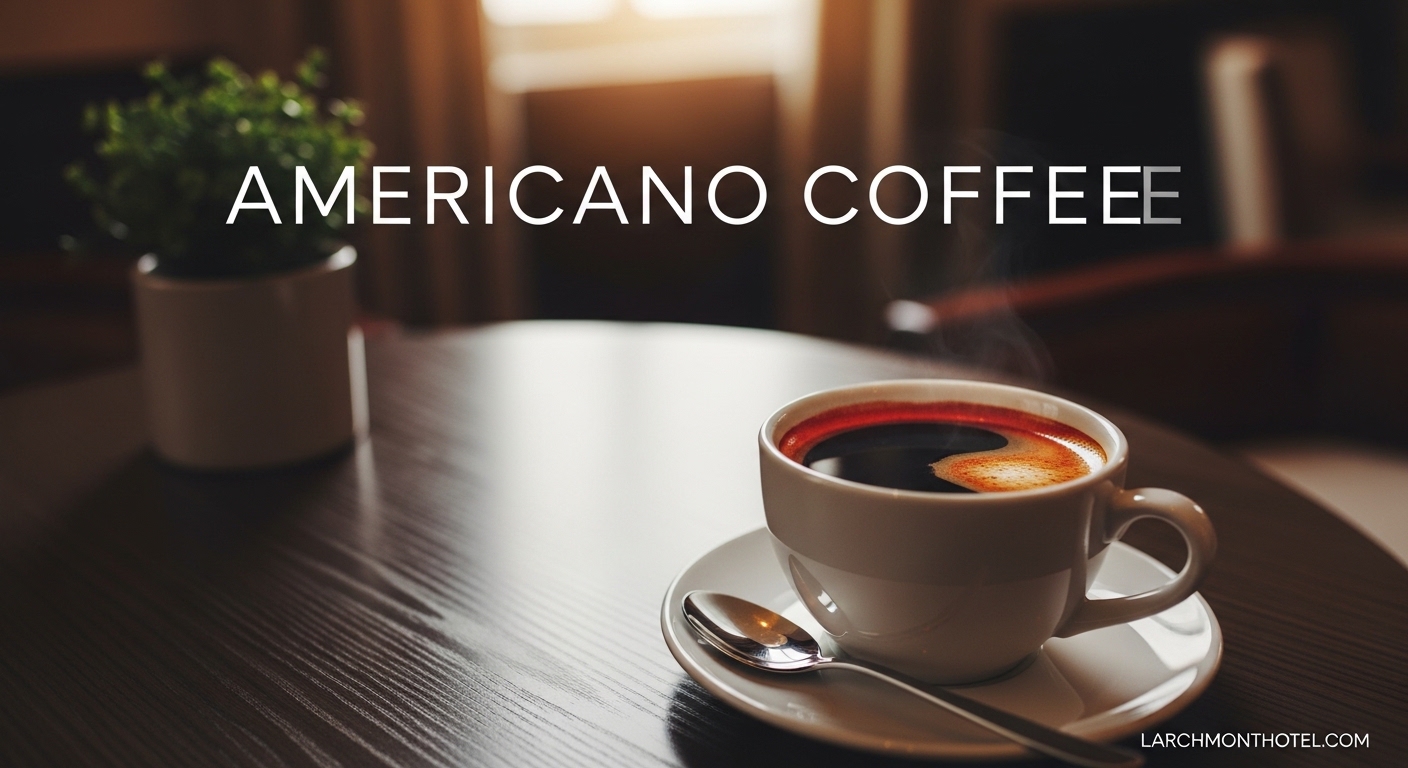
Walk into any coffee shop and you’ll spot Americano coffee on the menu. It’s one of those drinks that seems simple but carries layers of coffee history and technique. I’ve spent years exploring different coffee preparations, and the Americano remains a fascinating bridge between European espresso tradition and American coffee culture.
An Americano is simply espresso diluted with hot water, creating a drink with the strength of drip coffee but the rich flavor profile of espresso.
In this guide, I’ll walk you through everything from its World War II origins to the exact ratios professional baristas use. Whether you’re a home brewer looking to replicate cafe quality or just curious what’s in your cup, you’ll find practical answers here.
An Americano is a coffee drink made by combining one or more shots of espresso with hot water. The result is a beverage that matches the volume and strength of traditionally brewed coffee while maintaining the distinctive flavor characteristics of espresso-based preparation.
Caffè Americano: A coffee drink consisting of espresso diluted with hot water, typically in a 1:2 to 1:3 ratio, creating a full-bodied coffee with espresso’s complex flavor notes.
The drink maintains the crema—that golden foam on top of fresh espresso—though it dissipates more quickly than in straight espresso. The flavor profile is cleaner and more complex than drip coffee, with the intensity depending on your water-to-espresso ratio.
Unlike drip coffee, which passes hot water through ground beans for several minutes, Americano starts with already-extracted espresso concentrate. This fundamental difference in brewing method creates distinct flavor characteristics that coffee enthusiasts either love or learn to appreciate.
The Americano has genuine historical roots tracing back to World War II. As American soldiers stationed in Italy encountered traditional Italian espresso, they found it too strong and intense for their tastes accustomed to drip coffee.
Italian baristas responded by adding hot water to the espresso, creating a drink that reminded the soldiers of coffee back home. The drink became known as “caffè americano”—literally “American coffee”—and eventually made its way back to the United States.
Like many food origin stories, the exact details are debated. Some versions specify particular soldiers or cafes, while others treat it as a general wartime adaptation. What’s clear is that by the post-war period, the Americano had established itself as a bridge between intense Italian espresso and milder American coffee preferences.
Today, the Americano represents a fascinating cultural exchange—a European preparation method adapted to American tastes, now enjoyed worldwide by coffee drinkers who appreciate espresso flavor without espresso intensity.
Making an Americano at home requires just two ingredients and basic equipment. After testing different methods over months of morning brewing, here’s the reliable process that produces consistent results.
Quick Summary: Start with a 1:2 ratio of espresso to hot water. Use water at 195-205°F. Pour espresso first, then add water to preserve crema.
Here’s something I learned after dozens of attempts: pouring order matters more than most guides admit. Pouring espresso over water (water first) preserves more crema but creates a different flavor integration. Pouring water over espresso (espresso first) creates better flavor mixing but loses crema faster.
Most cafes pour espresso first, then add water. I’ve found this produces the most balanced flavor, even if the crema doesn’t last as long. Try both methods and see what you prefer.
The ratio of water to espresso defines your Americano’s strength and character. After extensive experimentation, I’ve settled on three standard ratios that cover most preferences.
| Ratio | Espresso | Water | Total Volume | Strength | Best For |
|---|---|---|---|---|---|
| 1:1 | 2 oz | 2 oz | 4 oz | Strong | Espresso lovers needing more volume |
| 1:2 | 2 oz | 4 oz | 6 oz | Medium | Balanced everyday drinking |
| 1:3 | 2 oz | 6 oz | 8 oz | Mild | Drip coffee drinkers transitioning |
The 1:2 ratio has become my standard after testing with multiple beans and roast levels. It provides enough dilution to make the drink approachable while preserving espresso’s distinctive flavor notes. If you’re new to Americanos, start here and adjust based on your taste preferences.
Your ideal ratio also depends on bean selection. Light roasts often work better with less water (1:1 or 1:1.5) to preserve delicate flavors. Dark roasts can handle more dilution without losing character.
Pro Tip: Start with a 1:2 ratio and adjust by 0.5 increments. Small changes make bigger differences than you’d expect.
Understanding how Americano compares to other popular coffee drinks helps you choose what to order or make. Here’s how it stacks up across key differences.
| Drink | Base | Volume | Caffeine | Milk? | Flavor Profile |
|---|---|---|---|---|---|
| Americano | Espresso + water | 6-8 oz | Medium-High | Traditionally no | Clean, complex, espresso-forward |
| Drip Coffee | Brewed grounds | 8-12 oz | Medium | Optional | Milder, less complex |
| Long Black | Espresso + water | 6-8 oz | Medium-High | No | Similar, more crema |
| Espresso | Concentrated | 1-2 oz | High | No | Intense, concentrated |
| Latte | Espresso + milk | 8-12 oz | Medium | Yes (steamed) | Creamy, mild |
| Cappuccino | Espresso + milk foam | 6 oz | Medium | Yes (foamed) | Rich, airy texture |
The most common comparison is Americano versus drip coffee. Both produce similar volume and strength, but the taste differs noticeably. Americano has a cleaner flavor with more pronounced espresso characteristics. Drip coffee often has more body but can taste muted by comparison.
I’ve found that drip coffee drinkers transitioning to specialty coffee often prefer Americano as a middle ground. It’s familiar in volume but introduces espresso complexity without the intensity of straight espresso shots.
The Long Black is essentially the same drink with one crucial difference: pouring order. Long Black pours water first, then espresso on top. This preserves significantly more crema and creates a different mouthfeel.
Popular in Australia and New Zealand, the Long Black has gained recognition in specialty cafes worldwide. The flavor differences are subtle but noticeable—Long Black often feels slightly creamier with more aromatic crema lingering throughout the drink.
Espresso is the concentrated base that makes Americano possible. A single espresso shot contains about 63mg of caffeine, while a double shot has roughly 125mg. Americano doesn’t add caffeine—it simply dilutes the existing espresso concentrate.
The difference is entirely about concentration and drinking experience. Espresso is meant to be sipped and savored. Americano is designed for longer, more casual drinking while maintaining espresso’s flavor signature.
Once you master the basic Americano, several variations offer different experiences. I’ve tested most of these over morning brewing sessions, and each serves a specific mood or preference.
Simply pour espresso over ice and add cold water. The iced version becomes incredibly refreshing in warm weather and has become my 2026 summer staple. Use less water than in hot Americano—ice dilution affects the final ratio.
Add a small amount of steamed milk to your Americano. This isn’t a latte—the milk is minimal, just enough to add creaminess while preserving the coffee-forward character. I typically use 1-2 ounces of steamed milk in a 6-ounce drink.
A Red Eye combines drip coffee with a shot of espresso. A Black Eye uses two shots. A Dead Eye uses three. These aren’t technically Americanos but represent the same concept—combining brewing methods for different effects. They’re essentially turbocharged coffee for when you need maximum caffeine.
Not everyone has an espresso machine at home. I’ve spent significant time testing alternatives, and while nothing perfectly replicates espresso, some methods come surprisingly close.
The Moka pot produces strong coffee concentrate that works well for Americano-style drinks. Brew the Moka pot as usual, then dilute with hot water using similar ratios. The flavor differs—Moka lacks true crema—but creates a satisfying approximation.
This is how I made Americanos for years before investing in an espresso machine. A quality Moka pot costs around $30-50, making it an accessible entry point.
The Aeropress can produce espresso-style concentrate with the right technique. Use fine grind, less water, and shorter brew time. The result won’t match true espresso extraction, but creates a solid base for diluted coffee drinks.
Simply brewing drip coffee extra-strong and diluting less creates a rough Americano equivalent. Use twice the normal coffee grounds for your brewer, then add minimal water. It’s not ideal, but works in a pinch.
Time Saver: For quick mornings, brew extra-strong drip coffee the night before. In the morning, heat and dilute slightly. It’s not authentic but gets the job done.
An Americano’s caffeine content depends entirely on the espresso shots used. A single shot contains approximately 63mg of caffeine. A double shot—standard in most Americanos—contains about 125mg.
For comparison, an 8-ounce cup of drip coffee typically contains 95-165mg of caffeine. Americano falls within a similar range, though often on the lower end if using only a double shot.
From a health perspective, Americano is essentially pure coffee with water—no sugar, no milk, minimal calories (about 2-5 calories for black Americano). This makes it popular among those watching calorie intake or preferring black coffee.
After making hundreds of Americanos, here are the details that make the difference between adequate and exceptional:
Americano and drip coffee have similar caffeine content. A double-shot Americano contains about 125mg of caffeine, while 8 ounces of drip coffee typically contains 95-165mg. The strength difference is in flavor intensity, not caffeine.
Americano is made by diluting espresso with hot water, while regular drip coffee is brewed by passing water through ground beans. Americano has a cleaner, more complex flavor with espresso characteristics. Drip coffee has more body but milder flavor.
The Americano originated during World War II when American soldiers in Italy found traditional espresso too strong. Italian baristas added hot water to create a drink resembling American-style drip coffee, calling it ‘caffè americano.’
Traditional Americano is served black with no milk. However, a ‘White Americano’ adds a small amount of steamed milk for creaminess while maintaining the coffee-forward character. Most Americanos are served without milk unless specifically requested.
The standard ratio is 1:2 (one part espresso to two parts water). Strong versions use 1:1, while milder versions use 1:3. Most coffee shops default to approximately 1:2, creating a balanced drink that preserves espresso flavor while offering drinkable volume.
Most Americanos contain two shots of espresso (a double shot). Single-shot Americanos exist but are less common. Some coffee shops offer triple-shot versions for those wanting maximum strength. The standard double shot provides about 125mg of caffeine.
Yes. Moka pots produce strong coffee concentrate that works well diluted with hot water. Aeropress can also make espresso-style concentrate with proper technique. While these alternatives won’t match true espresso, they create satisfactory approximations for home brewing.
The difference is pouring order. Long Black pours hot water first, then adds espresso on top. Americano typically pours espresso first, then adds water. Long Black preserves more crema and creates a slightly creamier mouthfeel. The ingredients are identical.
The Americano represents coffee at its accessible yet sophisticated best. Simple in concept—just espresso and water—but capable of remarkable complexity when prepared with care. Whether you’re ordering at your local cafe or brewing at home, understanding the ratios, techniques, and variations helps you get exactly what you want from your cup.
Start with the basics: fresh beans, proper water temperature, and a 1:2 ratio. Adjust from there based on your taste. The perfect Americano is ultimately the one that tastes best to you.