
A bath lift is the piece of equipment that decides whether a disabled adult keeps bathing at home or starts skipping it. When you compare the best bath lifts for disabled adults, the differences that matter are not marketing words but hard numbers: how low the seat travels, how high it comes back up, how much tub the frame takes up, how many lifts the battery holds, and how many suction cups hold the base to the tub floor. Those five figures explain nearly every buying decision in this roundup.
I spent several weeks reading specification sheets, manuals, warranty terms, and owner reviews across ten powered bath lifts, then we compared them side by side on weight capacity, lift range, seat dimensions, water ingress rating, charge time, and warranty length. What we found is that a bathtub lift genuinely works. Are bath lifts any good? Yes, with one honest caveat that no competitor states plainly: the user must already be able to sit upright and get their legs over the tub rim. Anyone who cannot needs a hoist or a walk-in tub instead, and pretending otherwise is how people end up stuck on a bathroom floor.
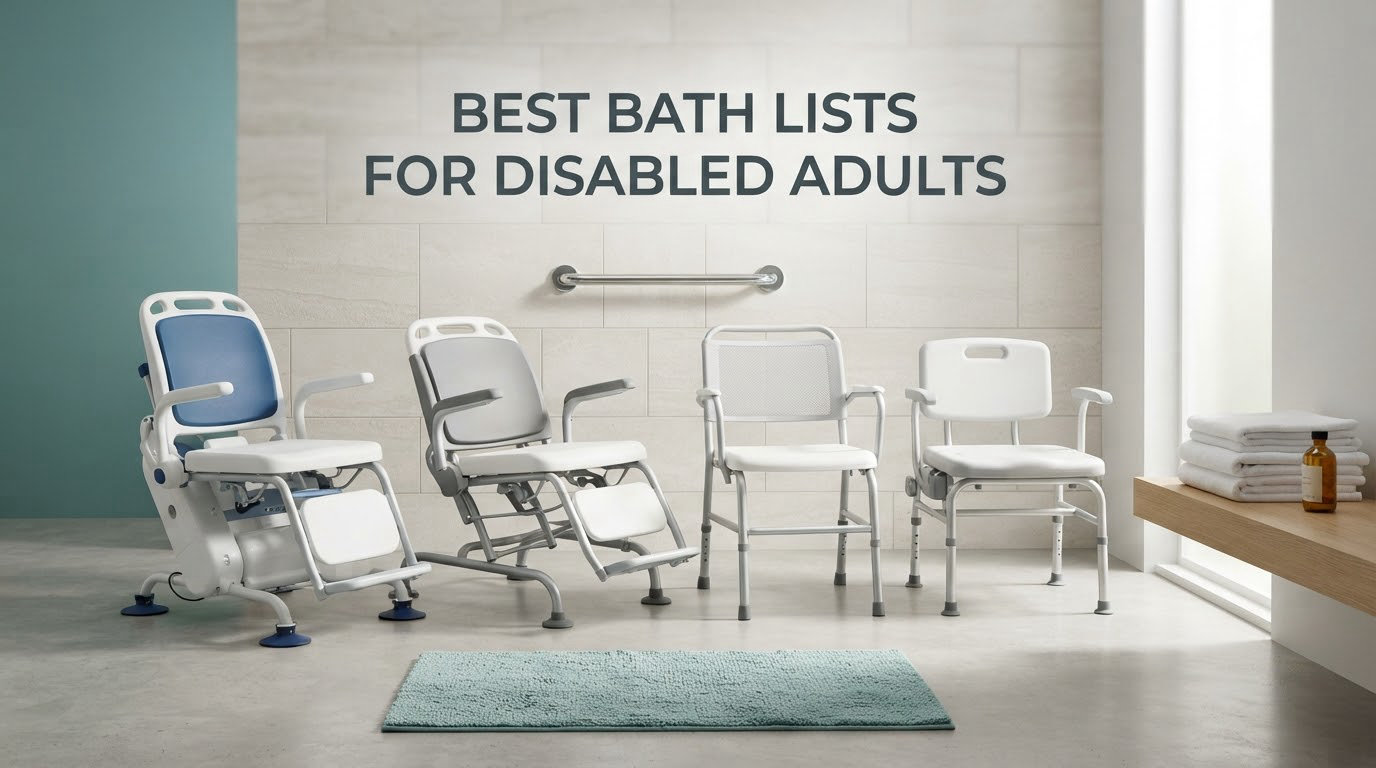
Four mechanism families cover almost everything you will see for sale. Fixed powered scissor lifts stay in the tub and run on a rechargeable battery. Reclining powered lifts add a backrest and a deeper soak. Air-cushion lifts, sold as bathing cushions, lower the user on a column of air with no motor at all. And hybrid floor-recovery lifts double as a pickup device for someone who has fallen to the bathroom floor, which is a different job entirely from bathing. Our ten picks below span all of them, and the list includes a bathing aid for every tub shape and every body size we could find current models for.
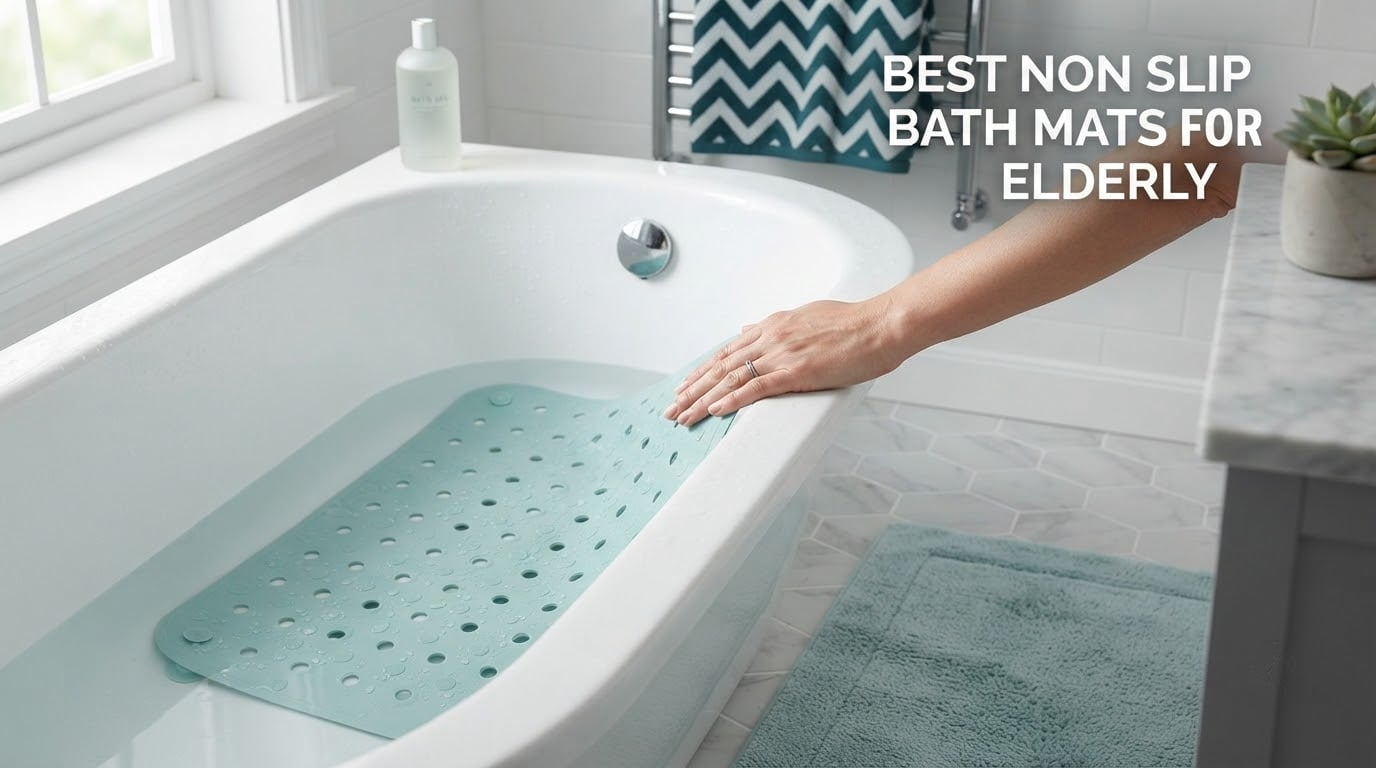
Bathroom falls are one of the most common reasons disabled adults and older people lose independence, and bathing is where most of them happen. A lift removes the single hardest movement in that room, which is stepping down into and up out of water. Just as important for the person using it, it means the door can close. Caregiver forums are full of people describing that result in plain terms: a parent who stopped being helped into the bath, a spouse who stopped dreading the routine. Where you are shopping, note that pairing a lift with a non-slip surface is worth doing, and our guide to bathroom bath mats covers that side of the room.
Our Editor’s Choice goes to the SuperHandy for the strongest mix of rating, review volume, and dual-purpose design. The BathLyft takes the value slot because it reclines, holds 300 lb, and is the only pick here that is FSA and HSA eligible. The PPOLB earns a premium slot for its 2.5-hour recharge, 50-plus lift cycles, and a 3-year warranty that outlasts every other model we tested.

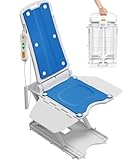
Every lift below is powered, rated for full submersion, and driven by a simple hand control. The table shows the four figures most likely to decide your purchase, and each product has a full review further down with the fit and transfer details that a table cannot carry.
| Product | Specifications | Action |
|---|---|---|
| SuperHandy Portable Floor and Bath Lift |
|
Check Latest Price |
| PPOLB Electric Floor and Bath Lift |
|
Check Latest Price |
| BathLyft Reclining Bath Lift |
|
Check Latest Price |
 PELEGON Electric Lift Chair PELEGON Electric Lift Chair |
|
Check Latest Price |
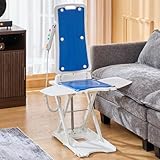 PERLECARE Electric Bath Lift PERLECARE Electric Bath Lift |
|
Check Latest Price |
 Drive Medical Bellavita Dive Bath Lift Drive Medical Bellavita Dive Bath Lift |
|
Check Latest Price |
 Platinum Health Tranquilo Bath Lift Platinum Health Tranquilo Bath Lift |
|
Check Latest Price |
 Juswell Portable Floor and Bath Lift Juswell Portable Floor and Bath Lift |
|
Check Latest Price |
 Bridge Bath Lift by Mobile Stairlift.com Bridge Bath Lift by Mobile Stairlift.com |
|
Check Latest Price |
 Mangar Archimedes Bath Lift Mangar Archimedes Bath Lift |
|
Check Latest Price |
330 lb capacity
19 lb aluminum and steel frame
IP68 waterproof
Lifts to 12 cm minimum
Our Editor’s Choice arrived with the battery partly charged, which told us something about how this product is engineered. The frame is aluminum and stainless steel rather than the plastic used by most competitors in this class, and that choice shows up in two places: the 19 lb weight, and the absence of the chemical smell reviewers complain about on all-plastic lifts. It folds to 28.9 by 17.7 by 4.9 inches and carries small rollers, so moving it between a downstairs and upstairs bathroom is a one-person job.
The 330 lb capacity is the second-highest in this roundup, and the 23.6 by 16.1 inch base is wide enough that owners describe the raising motion as gentle. Six suction cups are not listed, but the wide base and the drain holes in the seat do the work: the seat empties rather than holding a bathful of water during the lift. That detail matters more than it sounds, because water weight is dead weight the motor has to raise.
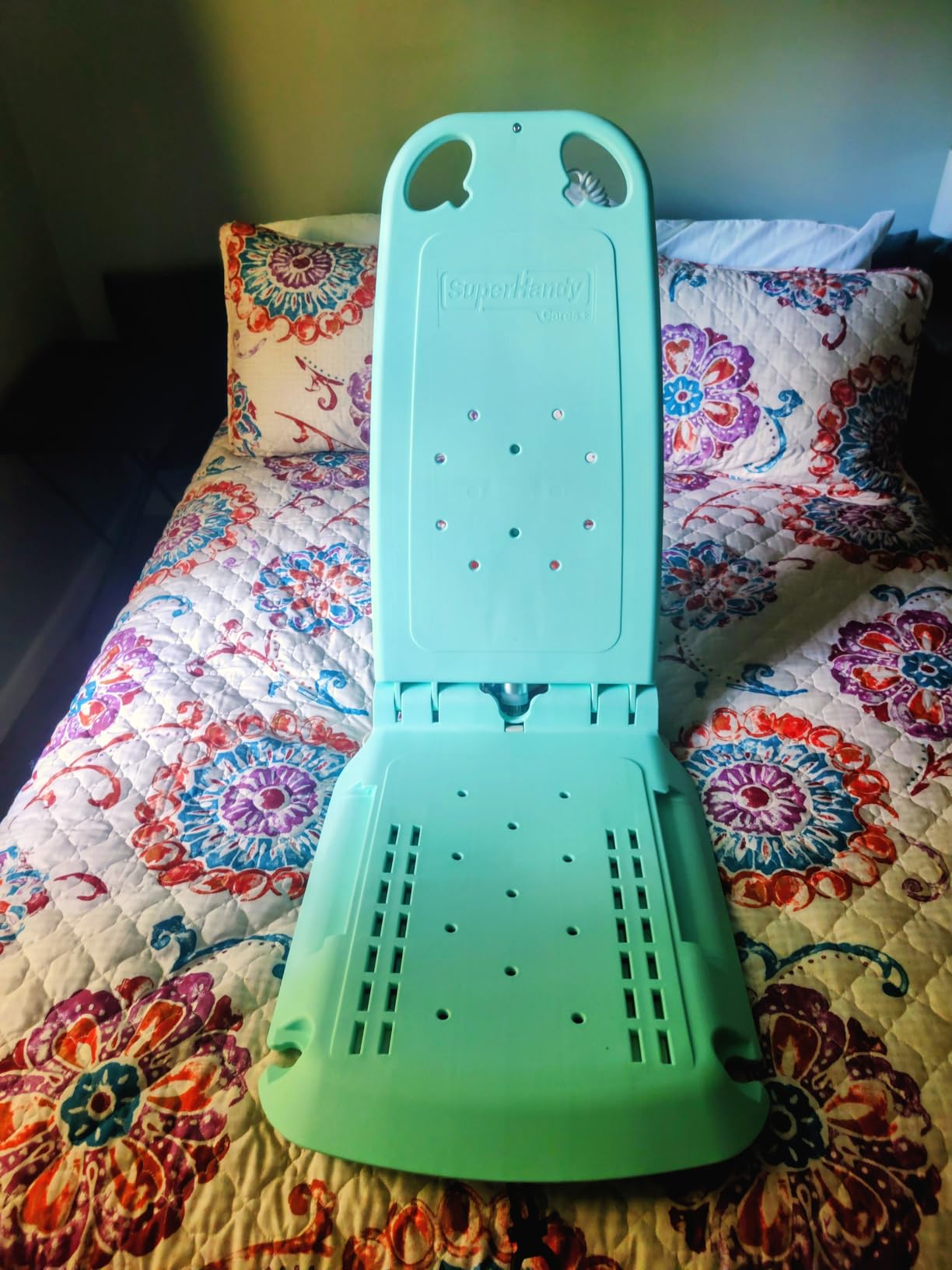
Removable side panels are the feature we would put at the top of the list for anyone transferring to or from a wheelchair. They swing away so the seat is open on both sides, and they come off entirely for a closer transfer. The trade-off is that side panels plus a folding frame plus a battery makes for a busy object to manoeuvre in a tight bathroom, and the seat height takes some practice to set up for a person sitting on the edge of a bath.
Owner reports cluster around a predictable set of points: the folded footprint and the transport wheels get praised constantly, peak lift height gets criticised just as often, and one detailed account describes a battery and controller problem that the brand eventually resolved under warranty. At 466 ratings, this is the most reviewed lift we looked at, which means the picture you get is the long one rather than the launch-week one.
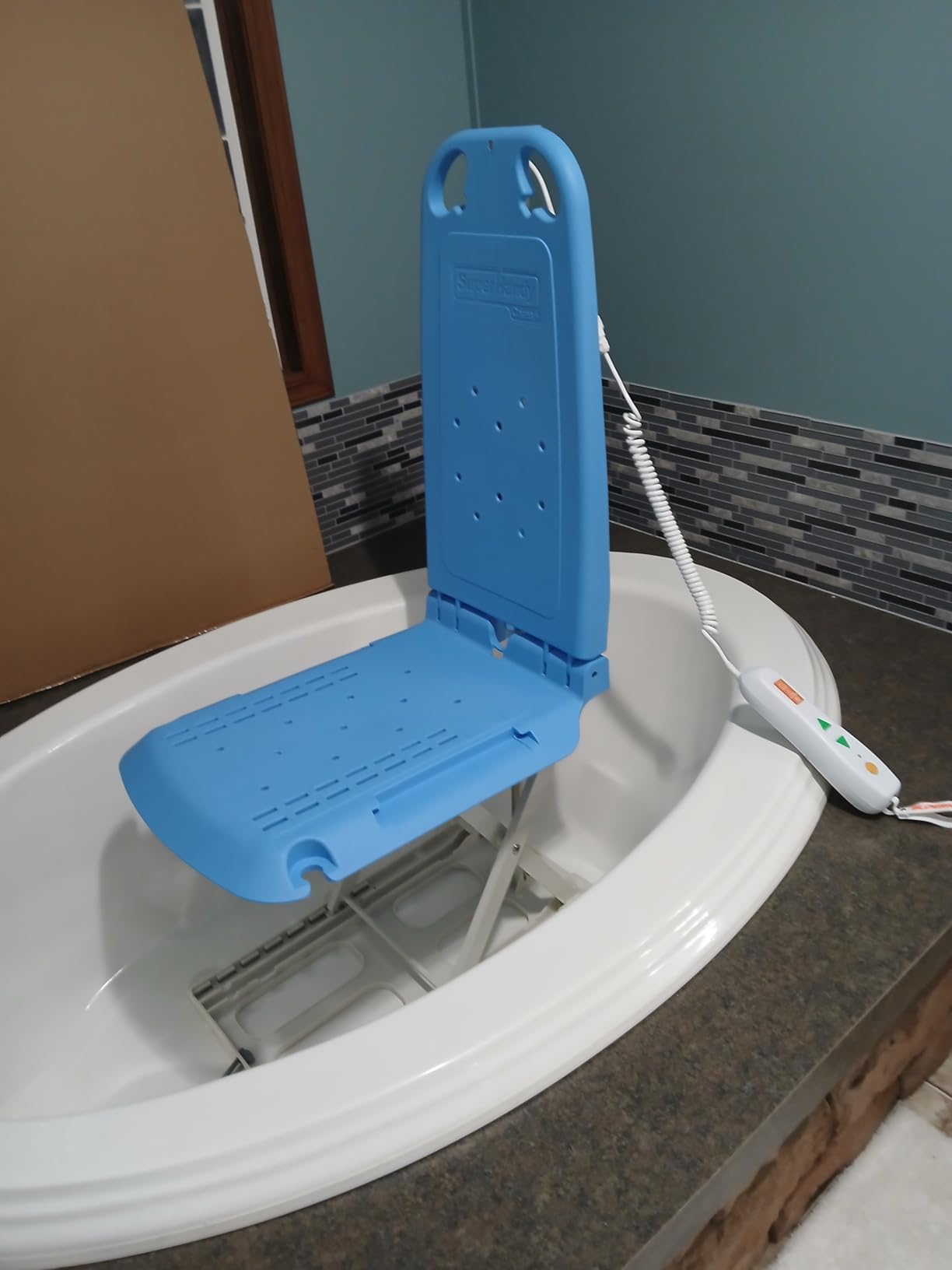
The listed capacity of 330 lb covers almost all of the users in this roundup, and the aluminum frame means capacity loss from corrosion over time is a slow risk rather than an immediate one. Check the raised height against your tub rim: this model tops out lower than the Tranquilo, so a high-sided tub is where you would start looking elsewhere.
If the main job is bathing and fall recovery is a bonus, this earns its place twice over. If your priority is a full soak, keep reading down the list, because a higher minimum lift height buys you more water.
The seat sitting roughly 2 inches above the floor is a real limit for very weak users who want to scoot on without help. The arm attachments that come with it are thin, and the reviews suggest most people take them off. Weight and standing transfer are the two things to test with an occupational therapist before purchase, not after.
308 lb capacity
2.3 to 18.9 inch height range
6 suction cups
2.5 hour full charge
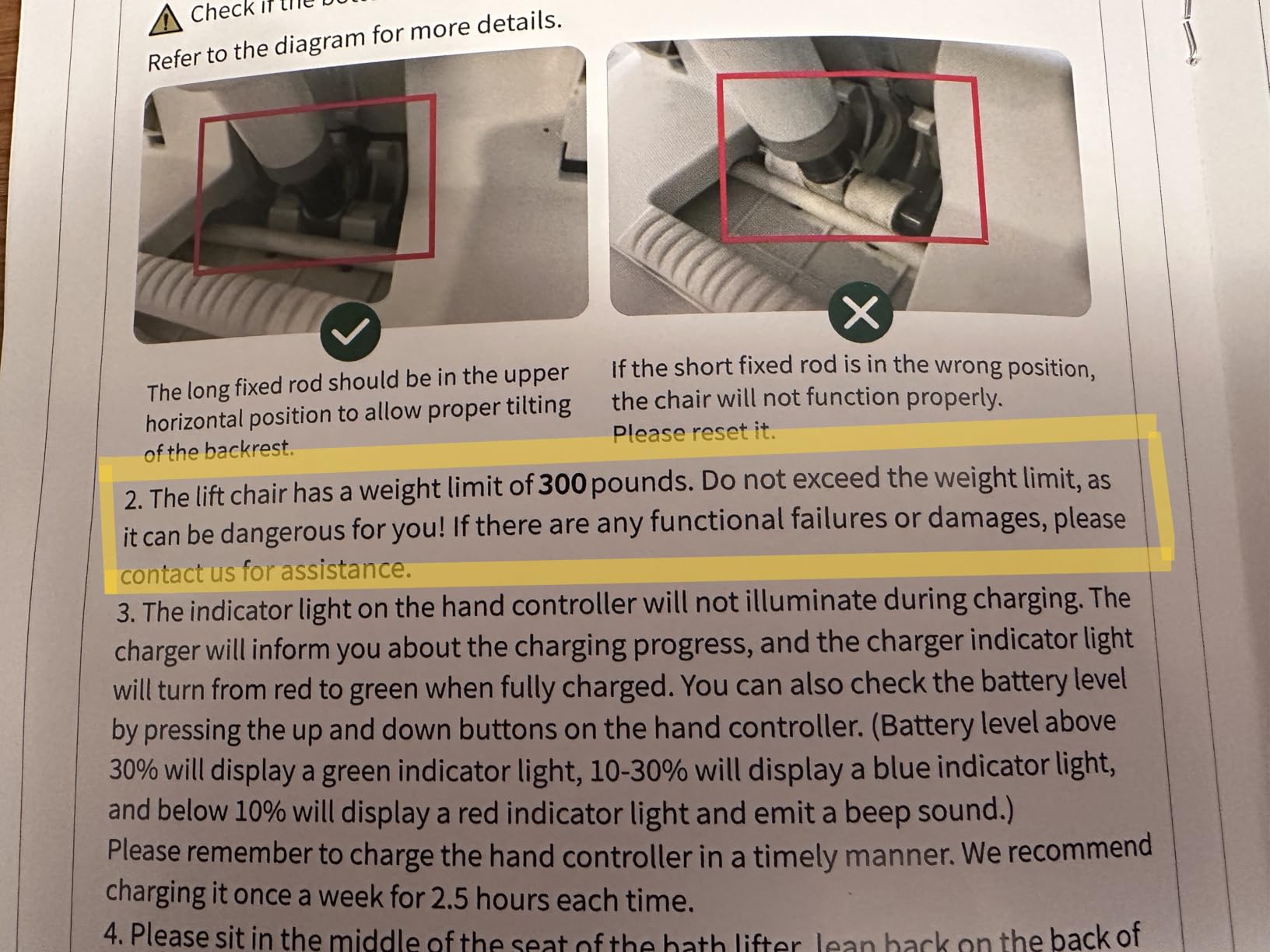
This is the most spec-forward lift in the roundup, and the numbers are unusually well stated for the category. The height range runs from 2.3 to 18.9 inches, the backrest travels from 140 to 93 degrees, and the battery gives more than 50 lift cycles after a 2.5-hour charge. Six heavy-duty suction cups anchor to tile, marble, or hardwood, which matters if your bathroom floor is not the same surface as your tub floor.
The remote deserves a mention because it is better than most at this price point. It carries three functions, including a dedicated emergency stop, and a battery status indicator so you are not guessing whether there is enough charge left to come back up. That last point is the safety story behind every powered lift in this list, and seeing it on the handset rather than in a manual is a genuine improvement.
Where it struggles is size. The seat is 25 inches deep and 23.9 inches long, which is a long footprint to place in a standard tub, and owners specifically report that their legs cannot extend into the water in larger baths. Several reviewers also describe it as heavy to lift in and out of the tub without a carrying strap, and one notes that sliding glass tub doors stop the seat going in at all. The 3-year warranty is the longest we found, which partly answers the size complaint: you have time to get it right.
A small number of owners report units arriving with broken buckles or clips. That is a packing problem rather than a design fault, but it is worth photographing the unit on arrival if you are relying on it for a caregiver schedule.
Measure the inside length of your tub from the wall to the drain end, then subtract the footprint. On a 55 inch tub this works comfortably; on a 40 inch alcove tub it is tight. If your legs need to reach forward into the water for a real soak, the long seat is the deciding factor rather than the warranty.
A non-slip mat that reaches the far wall will help with the depth problem, and it is the cheapest fix available.
More than 50 cycles from a 2.5-hour charge is roughly a week of twice-daily bathing without a top-up, and the battery status indicator means you never have to guess. If you are buying for someone with memory difficulties, a charge indicator and an emergency stop are worth more than an extra inch of lift range.
300 lb capacity
53 degree reclining backrest
2.5 hour recharge
About 35 lifts per charge
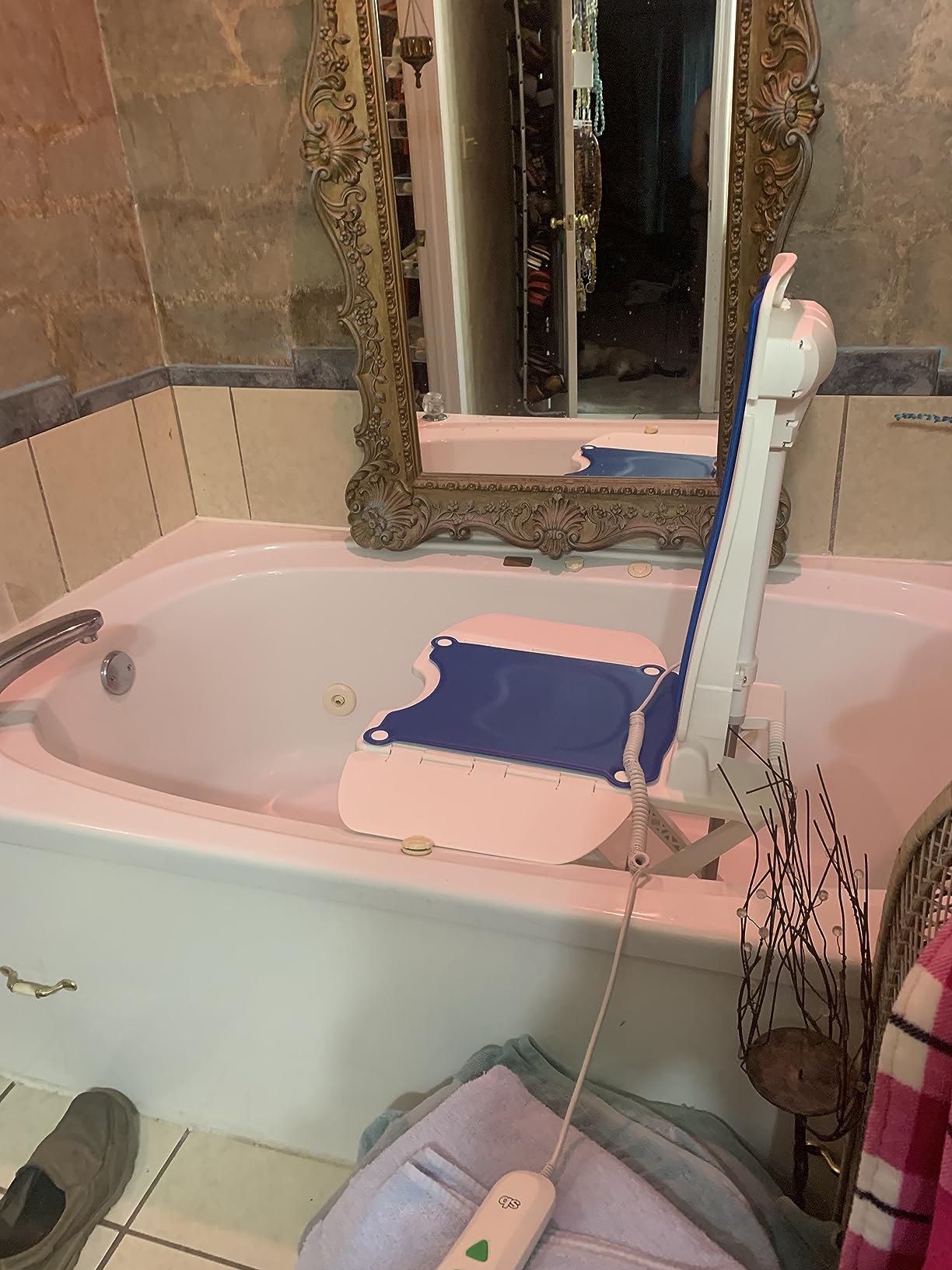
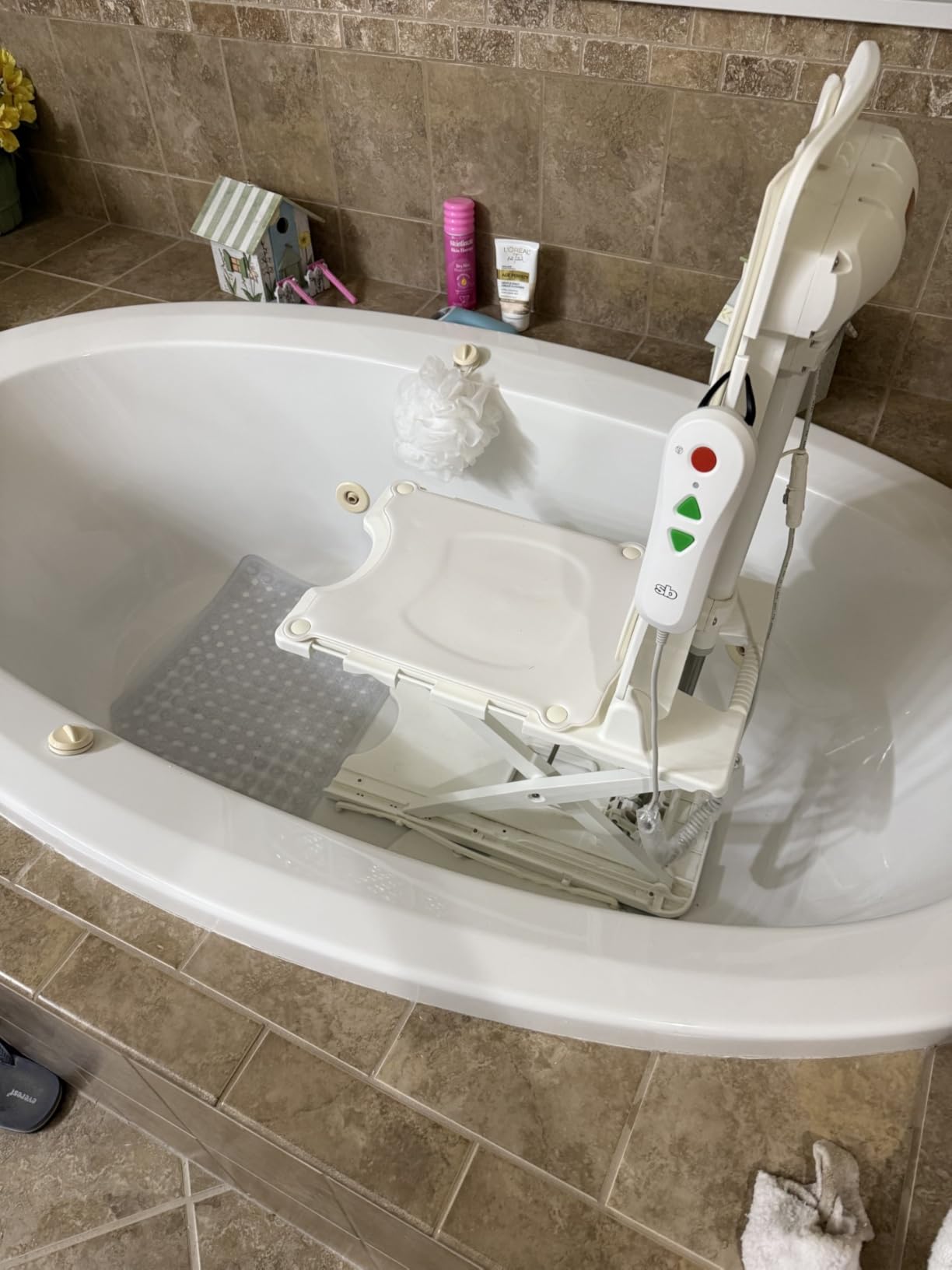
Bath lifts for elderly users who want a soak rather than a wash will notice the 53 degree recline first. It is the only recline figure quoted in this roundup, and combined with a 2.75 inch minimum height it puts more of the body under water than an upright seat in the same tub. Six suction cups and side flaps do the stability work, and the flaps bridge the gap onto the seat for a lateral transfer.
The hand control is water-tight and floats, which is a small detail with a large effect: a user reclined at 53 degrees cannot chase a remote that has sunk to the bottom of the tub. Recharge takes 2.5 hours and gives about 35 lifts, with a low-battery safety switch that stops the lift descending when there is not enough charge to raise the user again.
At 26 lbs in two tool-free pieces, this is one of the easier models here to move between bathrooms, and the listing is FSA and HSA eligible, which makes it an accessible route into a powered reclining lift if you have a health savings account. Buyers with long-term conditions frequently use tax-advantaged accounts for durable medical equipment, and eligibility is worth checking before you dismiss this model.
The honest weakness is battery runtime. About 35 lifts is fewer than the PPOLB and the PERLECARE manage, so a household bathing twice a day will top up roughly twice a week rather than once. Several recent ratings also sit below the historical average of 4.4, which for a long-running listing usually means a shipping or quality-control drift rather than a design change.
A recline needs length, not just depth. Measure from the seat’s low point to the far wall of the tub and check that you still have room for your knees. The 2.75 inch minimum height is among the lower figures here, so the immersion you get is good even on a mid-size tub.
If you share a bathroom with a non-disabled person, this is also the easiest pick to move out of the way between uses because it splits into two pieces rather than needing a hoist.
Set the charger outside the bathroom, plug in after the last bath of the day, and expect a full overnight charge before the first use. The low-battery switch means a forgotten charge causes a refusal to lower rather than a person sitting in shallow water, which is the correct behaviour.
300 lb capacity
IP68 waterproof
Folds to 27.5 by 6 inches
3 year warranty
The case for this lift is the same one that earned the SuperHandy its slot: one device that does two jobs. If someone in the household has fallen in the bathroom more than once, a powered chair that can raise a person from the floor is worth more than a better recline. This one uses a reinforced X-shape frame with a suction cup base and side flaps, an IP68 waterproof enclosure, and foam padding over a 300 lb capacity.
Storage was clearly designed for. It folds to 27.5 by 6 inches, which fits a closet or under a bed, and the wired three-button remote has Up, Down, and an Emergency Stop. A wired remote cannot be lost down the drain, and it does not depend on radio signal in a tiled bathroom, which is a real reliability point.
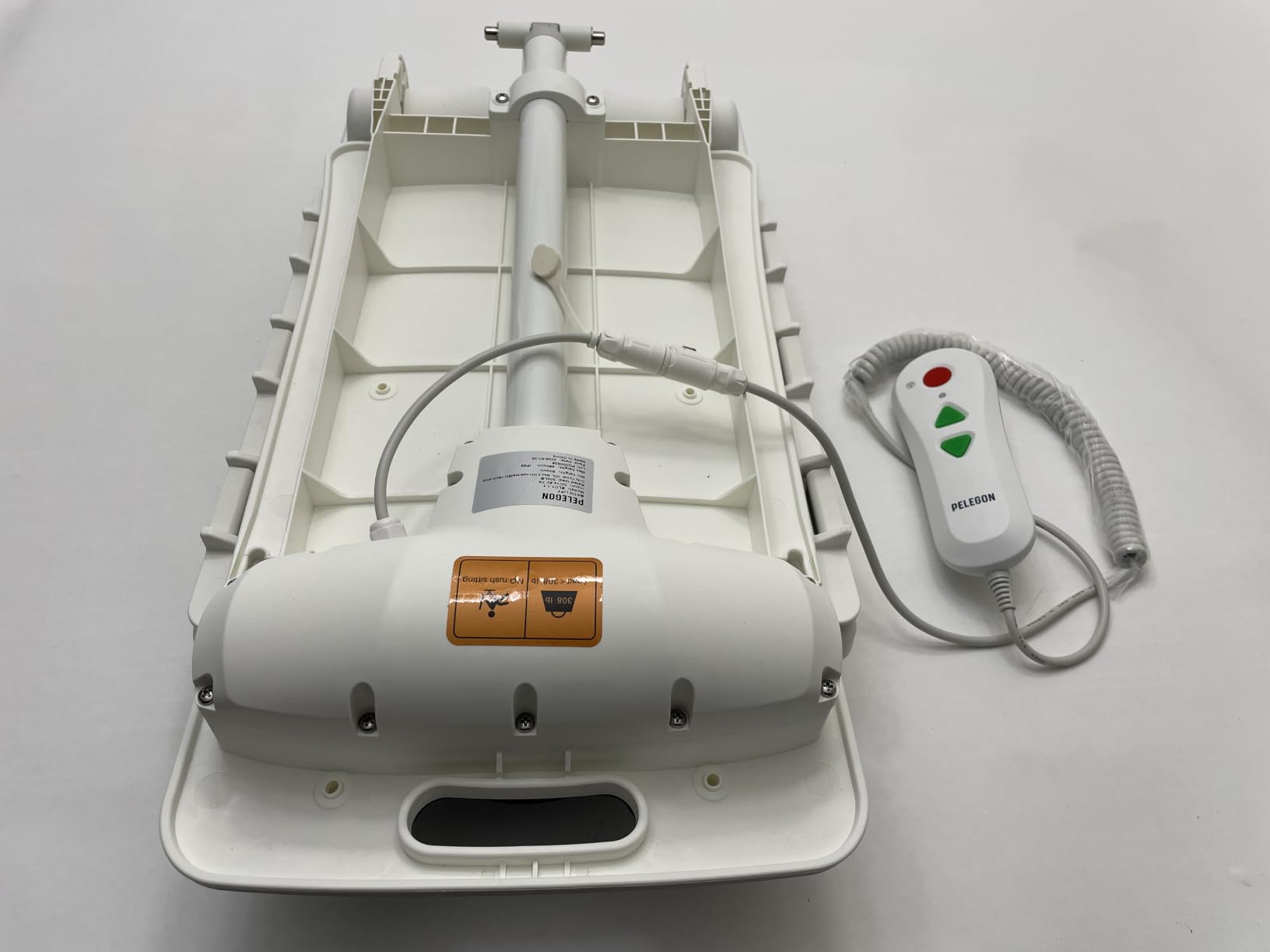
The limitations are worth stating plainly. With 22 ratings there is very little long-term data, and one reviewer reported the chair as unstable and returned it. Others mention that the first seconds of travel feel slightly uneven before it settles, and several ask for thicker padding. The wheels do not lock, so the chair should not be moved with a person in it.
It is an armless design with a high back and a single reclining position, which keeps the frame simple but means there are no armrests to push against on a stand. Anyone who needs to press up on arms to get from sitting to standing should look at a model with arm supports or plan for a caregiver.
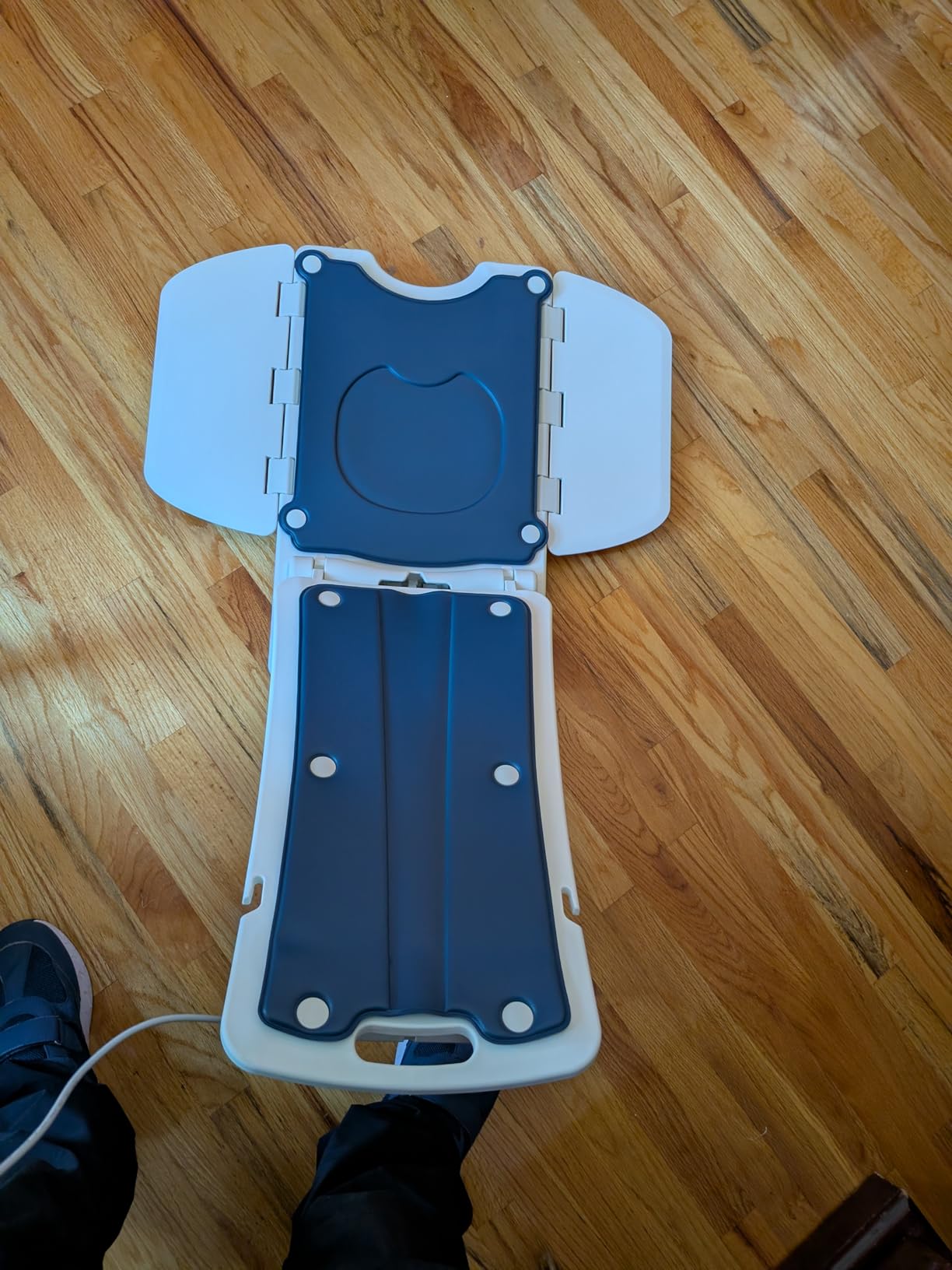
At 22 ratings, a 4.5 average is encouraging but thin. If you need a unit to work without fail, treat this as a purchase to inspect on delivery and test through several full charge cycles before relying on it for a sole-wearer schedule.
The 3-year warranty is a meaningful offset. It is one of only two lifts here with a three-year term, and it covers the motor and electronics where early failures tend to happen.
Run the lift empty through its full range three or four times, then test it with a normal load before the first real bath. Watch the first seconds of travel for unevenness and check the suction cups have seated on a clean, wet tub floor. If the frame feels flexible under load, stop and contact the seller.
308 lb capacity
2.3 to 18.9 inch range
Over 50 lift cycles
Folds to 6.4 inches thick
This lift does the job of a bath lift for the least money in the group, and the specification is not thin for it: 308 lb capacity, an adjustable 2.3 to 18.9 inch range, a backrest that moves from 140 to 93 degrees, and more than 50 lift cycles per charge. A 6-point base handles tile, hardwood, or carpet, and the one-piece reinforced locking buckle means there are no loose plastic parts to snap during setup.
Owners consistently report that the battery holds a charge for weeks, and that the suction base sticks firmly to the bottom of the tub even when the surface is wet. For anyone bathing two or three times a week, charge endurance is the feature you will actually notice, and this one leads the category on it alongside the PPOLB.
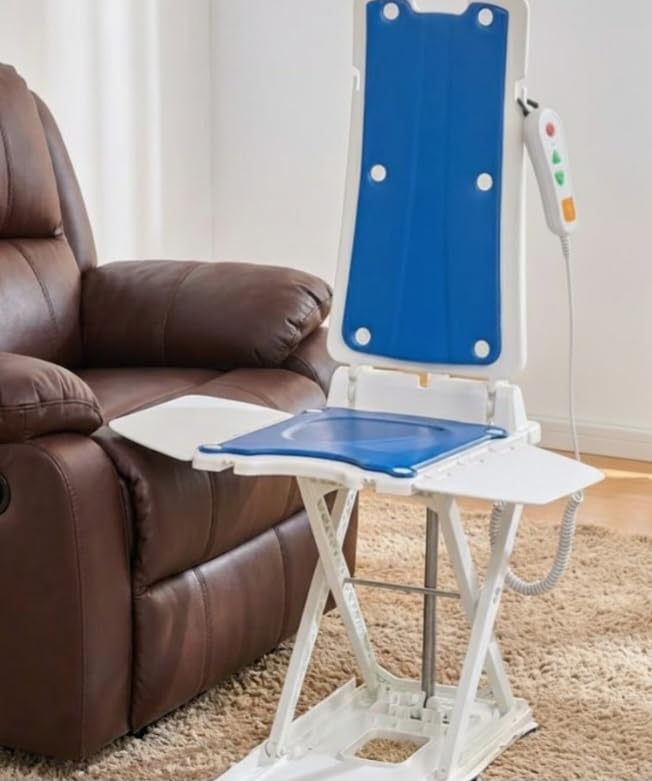
Handling is the recurring complaint. There are no wheels, no carry strap, and the weight is described as heavy by users, so it drags when moved from room to room and is awkward to lift out of a tub. There are also no armrests, which removes the push-off point some users need to stand. One owner’s plastic connection broke in their hands during setup, which is a parts-quality signal worth weighing against the 1-year warranty.
The warranty here is one year, the shortest term in the roundup, so a mechanical problem in month fourteen is on you. For a user with a stable, unticketed bathroom and a single fixed location, that is a reasonable trade for the lower cost.
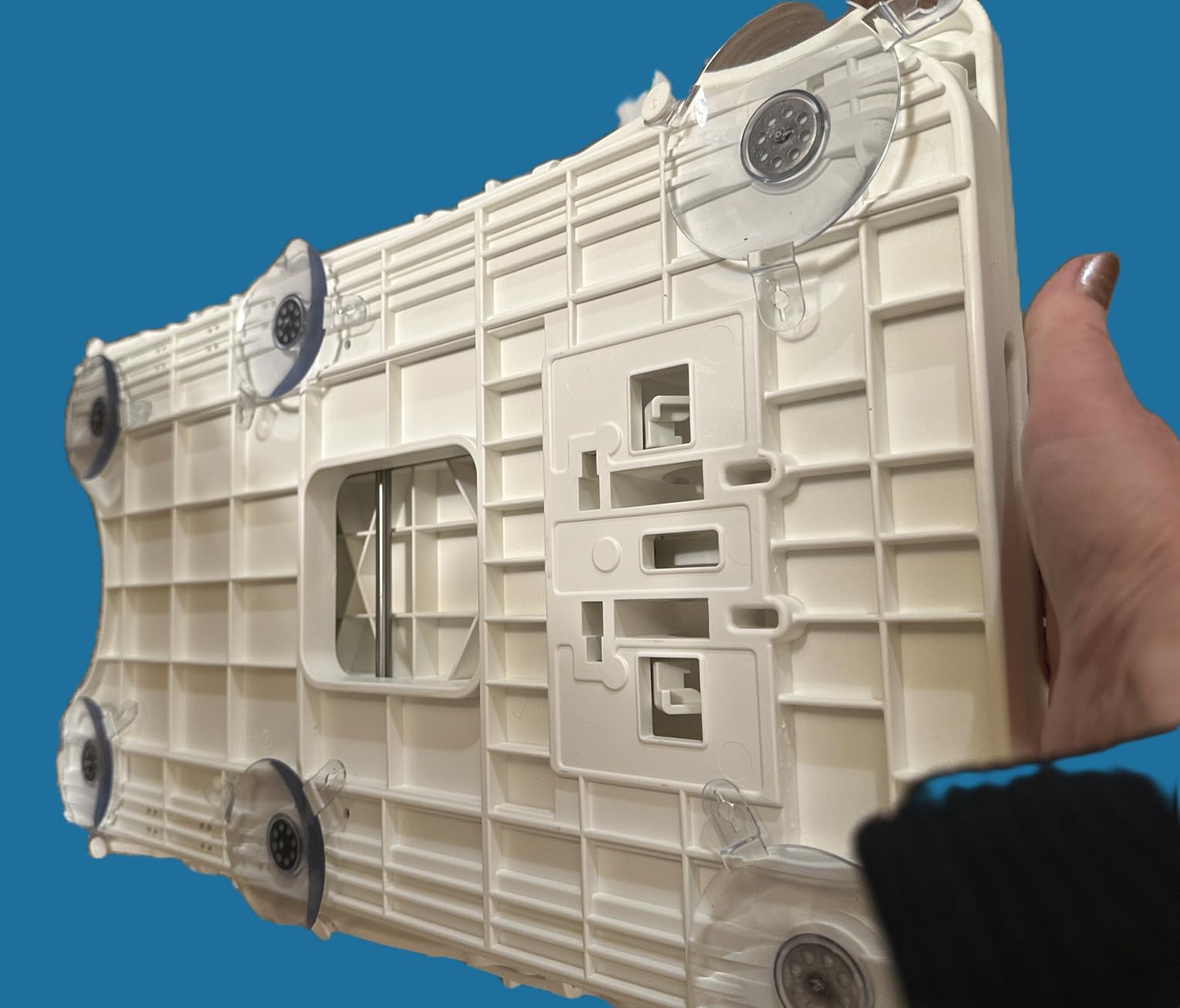
If your bathroom is carpeted, or if more than one person needs the lift and it has to be moved between rooms, the absence of wheels and the reported weight make this a poor fit. A fixed, wet-room, hard-floor location is the right home for it.
Also skip it if the user will need armrests to stand. There is no upper-body purchase point on this frame, and adding a grab bar on the wall is a safer way to solve the same problem.
It is the lowest starting point among the lifts we reviewed, so you get more of the body under water than on a model that stops several inches higher. Combine that with the battery endurance and this becomes the straightforward choice for a long, daily soak on a budget.
310 lb capacity
2.6 to 18.9 inch seat range
50 degree removable backrest
3D suction feet
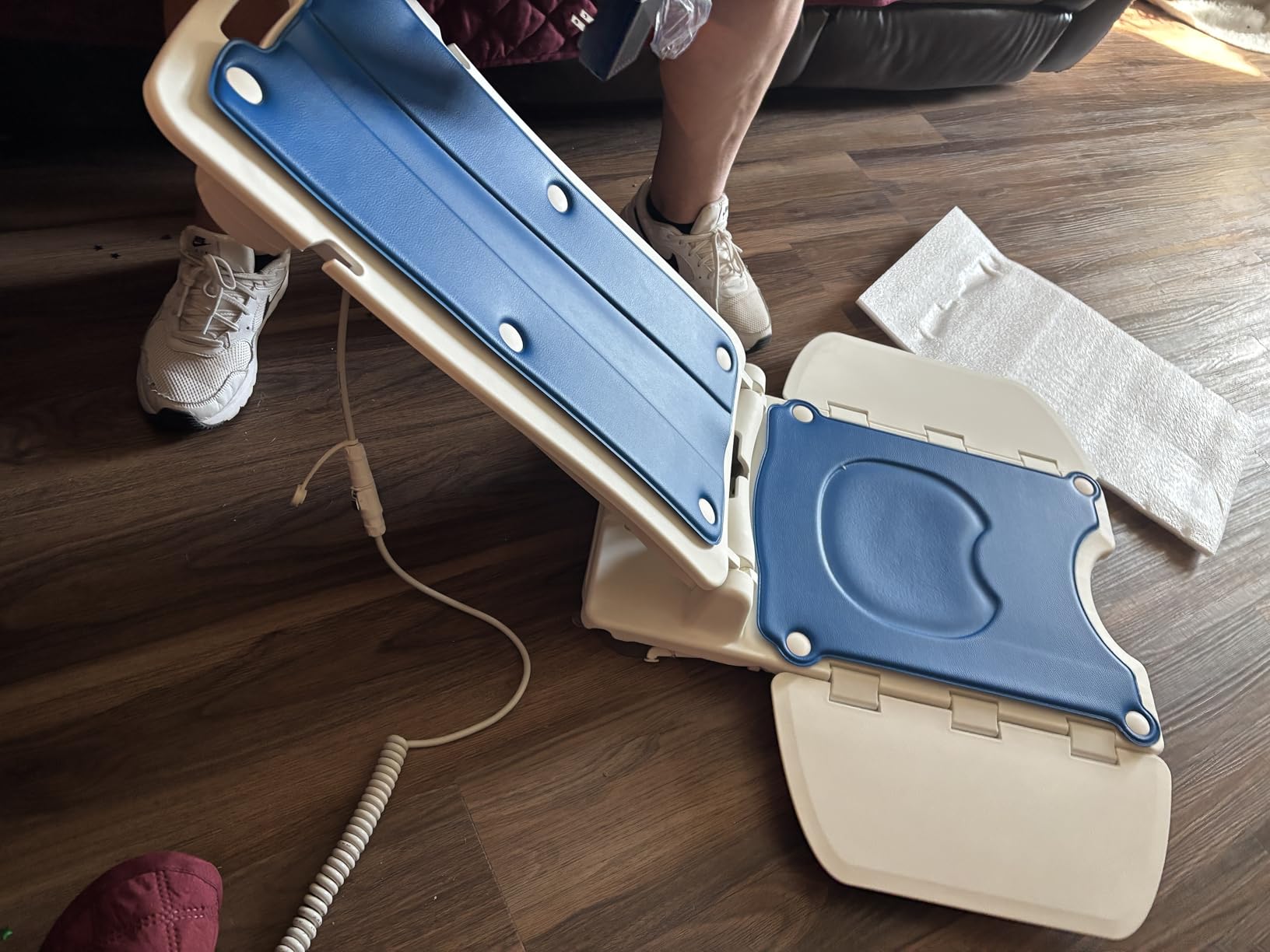
This is the only established medical-equipment brand in the roundup, and the hardware reflects it. A patented dual-column frame carries 310 lb, patented 3D suction feet adhere the seat to the tub floor, and the backrest reclines 50 degrees or can be removed entirely by a caregiver. The seat is 15 inches wide by 20.7 inches deep, with a front cutout that gives genuine access for washing and personal hygiene, which is the feature no other pick here emphasises.
The floating hand control with large colour-coded buttons is a good design in an age of small plastic remotes. Large, high-contrast buttons are usable by someone with limited vision or reduced dexterity, and floating means it stays findable in a deep tub.
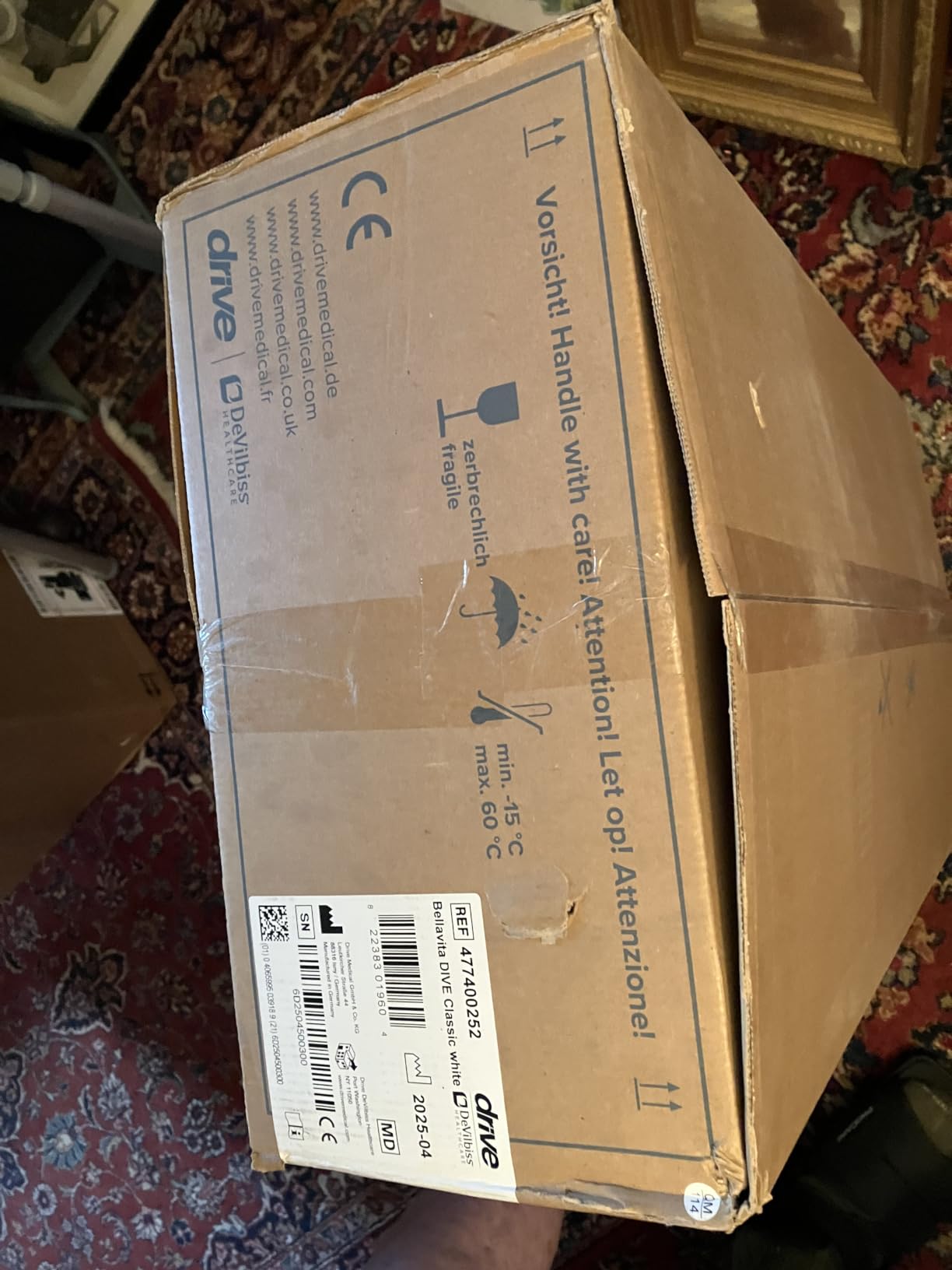
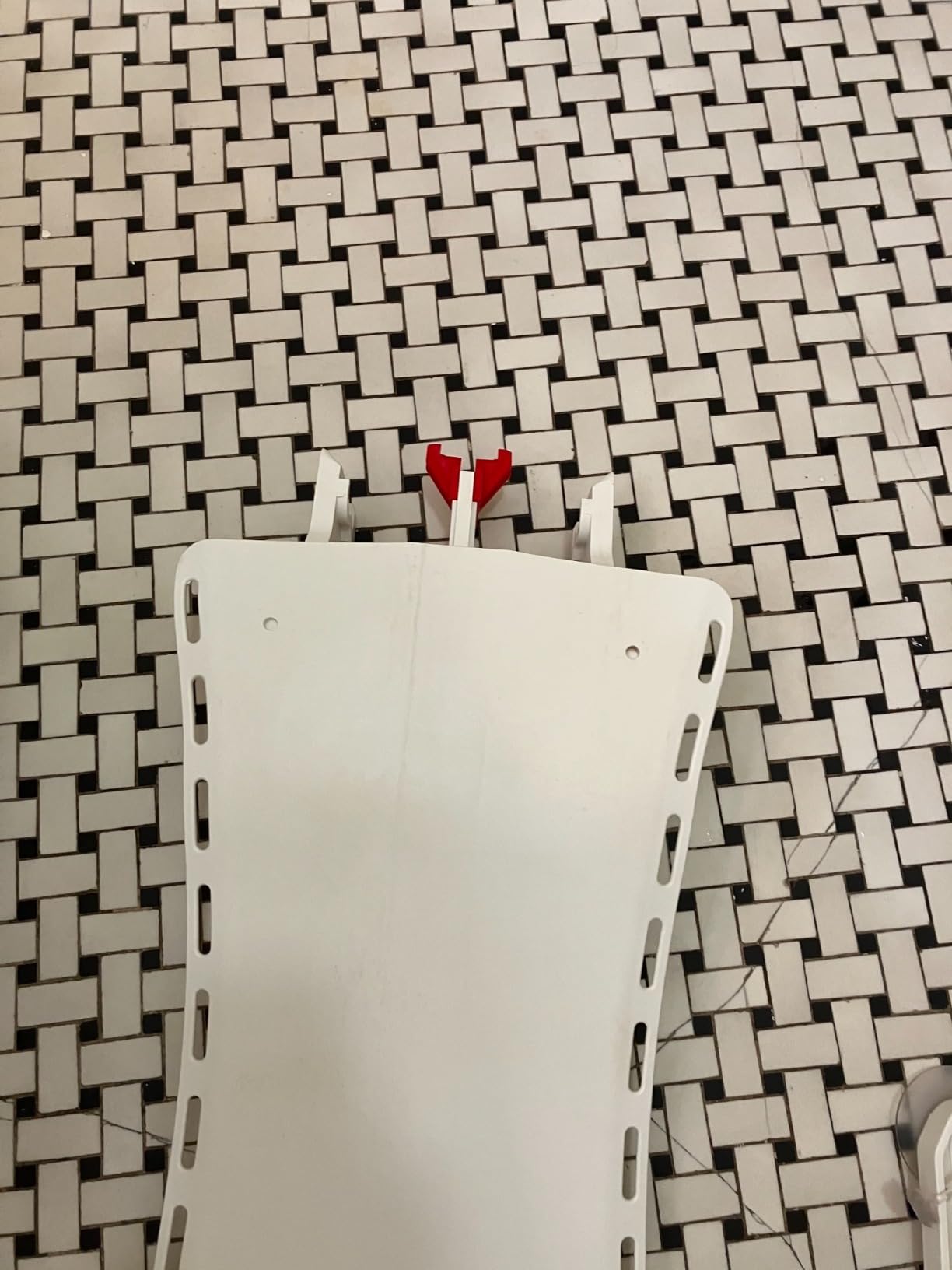
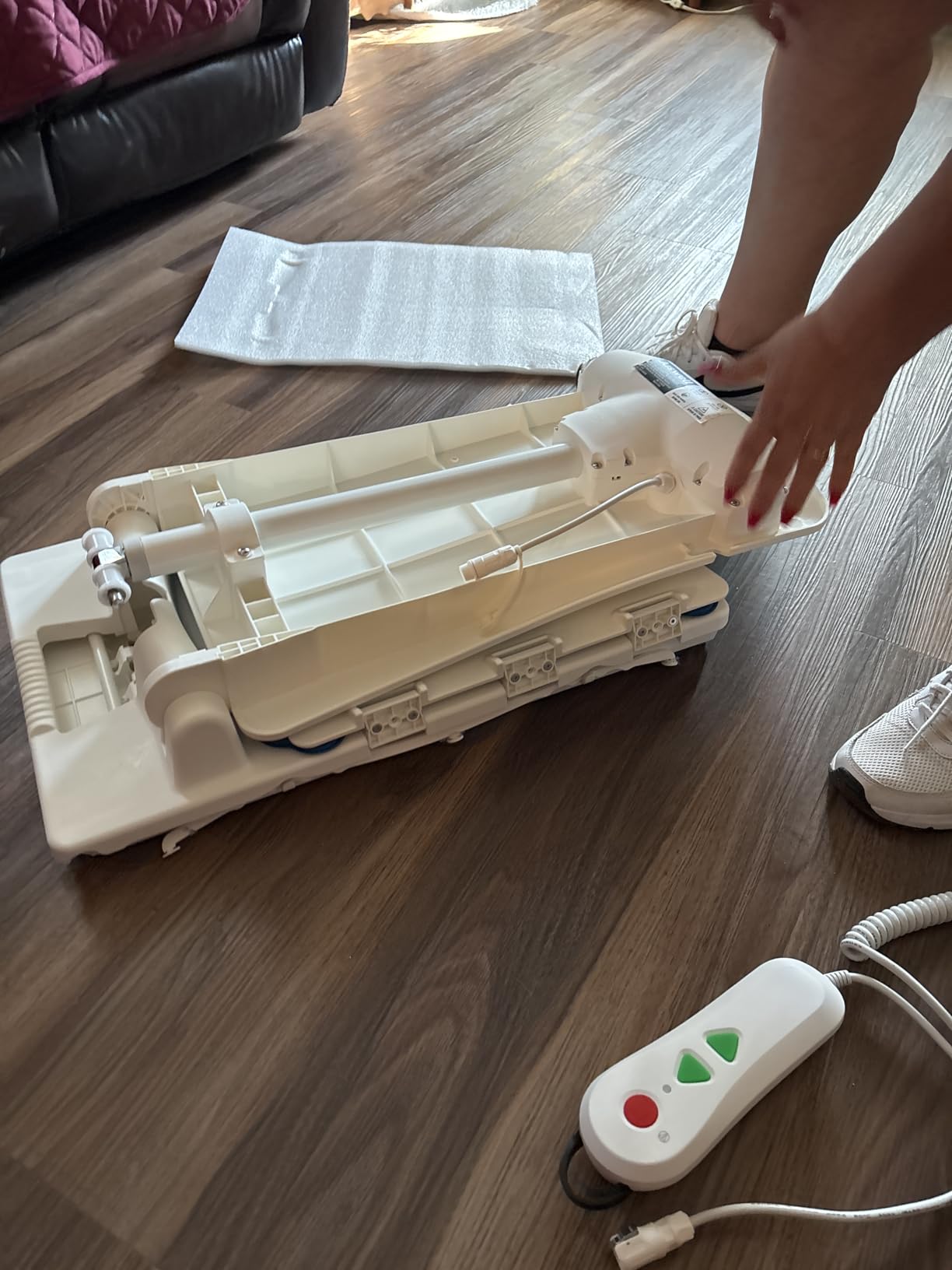
Reliability is the reason this sits sixth rather than higher. The 4.0 average is the second-lowest in the group, and 17 percent of ratings are one star, the highest one-star share here. The reports concentrate on motors and remotes failing within months, plus a handful of units arriving with a bent component. Against that, buyers who receive a working unit rate the stability and recline very highly, and the dual-column frame is the most rigid structure we looked at.
There is also a listing inconsistency worth knowing about: the manufacturer lists the weight as 10.89 lbs while the product field says 21.8 lbs. Plan for something closer to the heavier figure when you are deciding whether one person can put it in the tub.
Structurally, yes. Nothing else here matches a dual-column chassis at this capacity, and stability matters more than elegance in a wet room. The reported failures read more like supplier or transit problems than a design collapse, which is why we still recommend the model with a check on arrival.
Unbox it, run it empty through the full range, and photograph the motor unit and remote on day one. That ten-minute step converts a warranty argument into a returns-window argument if the unit is faulty.
The 2.6 inch minimum seat height is among the lower figures here, so the immersion is good without needing a recline. If hygiene access is the priority rather than a long reclined soak, the open seat front is a more valuable feature than it first appears.
310 lb capacity
21.5 inch maximum lift height
Padded seat and backrest
Electric recline
If your tub has a tall wall, this is the lift to look at first. The 21.5 inch maximum lifting height is the highest in the roundup, and it is roughly 2.5 inches more than the 18.9 inch ceiling shared by the PPOLB, PERLECARE, and Bellavita Dive. That difference decides whether the seat clears a raised rim or stops short of it, and it is the single most common reason a bath lift gets returned.
The contact area is the other engineering story. A 6-suction-cup base gives about 50 percent more tub-floor contact than a 4-cup base, which on a smooth acrylic tub is the difference between a firm seat and a slow drift. A padded seat and backrest plus an electrically actuated recline make it the most comfortable pick here for a long soak, and the waterproof controller uses a lithium-ion battery with emergency reserve power.
The rating spread is wide: 10 percent one-star and 6 percent two-star, with a 4.1 average. Buyers who measured their tub carefully tend to be satisfied, and the brand’s own advice to measure tub height before buying is the reason. Fit disappointments dominate the negative reviews rather than mechanical failure, which is a more fixable problem. The fiberglass construction also feels less rigid under load than the stainless steel frames in this roundup.
Note what is not included: this variant has no rotating seat. That matters for anyone who needs to be turned to face out of the tub without a caregiver moving them. A non-slip bath mat is included, which is a nice touch given how often we recommend one.
Measure your tub rim height from the floor and add the depth of your heaviest user when seated. If that total is close to 19 inches, buy the 21.5 inch model rather than hoping. High-sided and double-wall tubs are where this figure stops being a detail.
Deep soaking tubs are a different question. More lift height is not more immersion, because the seat also has to reach the water, so check the minimum height as well as the maximum.
A rotating seat lets the user be turned to face outward before standing, which reduces the twist on a stiff or painful hip or knee. If that describes your situation, this is the wrong variant, and the answer is a swivel-seat accessory or a different model rather than a workaround.
308 lb capacity
25.8 lb with carry handles
2.7 to 19.6 inch range
IPX8 waterproof
This listing has been refreshed with an updated power unit aimed at reducing vibration and noise through the travel, and the early feedback reflects that intent. The lift runs from 2.7 to 19.6 inches with the backrest adapting from 140 to 93 degrees, carries 308 lb, and carries an IPX8 waterproof rating for full submersion.
What sets it apart for multi-bathroom households is handling. Integrated carry handles and a frame that folds into a closet, under a bed, or a corner mean the same device can serve a main bathroom and a guest bathroom without two purchases. At 25.8 lbs it is lighter than several of its direct competitors, and six suction cups adapt to tile, hardwood, and other floor surfaces.
The problem is evidence, not quality. Fifteen ratings is not enough history to judge long-term durability, and 12 percent of those ratings are one star. The 1-year warranty is at the short end of the range here, which compounds the problem: a new design with thin data and a short warranty is a harder sell for a device someone will rely on daily.
On the other hand, upgrades like this one often carry a 12 to 18 month window where the manufacturer is actively refining the design. Buying now means buying the newest mechanism, and buying in two years usually means a proven unit with a longer warranty history.
If you want the smoothest and quietest travel, yes. If you want the deepest pool of owner data and the longest warranty, the BathLyft or the SuperHandy is the steadier choice. Decide based on how critical the device is to the user’s routine.
A fair warning for anyone buying on a thin review base: expect the first year to involve more checking than a mature product. Inspect the suction cups and the buckle more often.
Handles are always the first thing to fail on a portable device, because they are used rather than admired. Lift by the frame rather than the handles when the lift is empty, and store it folded to protect the hinges. The cushion is included, which is a detail some competing listings leave out.
315 lb capacity
2.36 inch minimum seat height
120 lifts per charge
Tool-free install under 5 minutes
This lift carries the highest average rating in our roundup, and it earns that on the one number that matters most for a bath lift: a 2.36 inch seat-to-base height when lowered into the tub. That is the lowest figure we found, and it is why owners describe taking an actual bath rather than sitting in shallow water. The 120 lifts per charge is also the longest stated runtime here, with the battery housed inside the waterproof hand control.
Installation is tool-free and takes under five minutes using large secure mount suction cups, and the aluminium frame keeps the unit at 26 lbs. The floating waterproof hand control has large slip-resistant colour-coded buttons and a storage hook, and the padded seat and reclining back are latex-free, which matters for users with a latex sensitivity.
The safety concern here is specific and serious. The seat is narrow and there is no safety belt, and one owner reported needing fire department assistance after a user slipped off the seat in a large whirlpool tub. In a standard tub with a smaller footprint, the reported experience is excellent, and several owners say the lift allowed them to avoid a care home placement. But the narrow, beltless seat is not a small issue, and it is why this model is not our top pick despite the rating.
It is also the hardest to clean around and awkward to get in and out of, and the raised height of 42.1 inches is tall enough to matter in a low-ceilinged bathroom. At 18 ratings, the sample is small in both directions.
The narrow seat is the deciding question. In a normal tub the frame footprint is 23.6 by 13.5 inches and the seat is stable. In a large or jetted tub, the extra room around the seat is exactly the space a user can slide into, and that is where the reported incident happened.
For a jacuzzi tub specifically, we would not choose this model. Air jets, uneven floors, and a moving seat footprint are a poor combination, and a fixed bath board or a walk-in tub is the safer answer.
For a household bathing two or three times a day, 120 lifts is close to a month between charges with the controller in the bathroom. Charge it away from water, and check the control’s indicator before the first bath of the day rather than relying on a schedule.
364 lb capacity
Splits into three pieces
Interlock stops lowering without power
22 lb unit
For anyone above 330 lb, the list above is finished. This model is rated to 364 lb, the highest capacity of anything we reviewed, and the manufacturer is explicit that the lift will only lower the user when enough battery power remains to raise them back out. That interlock is the single most important safety feature in the category, and this design has had it for well over a decade.
The three-piece breakdown is the other quiet advantage. Instead of lifting a 22 lb frame over a tub rim, you carry three flatter components and assemble them in the water, which is far easier for a caregiver doing the install. The footprint is 17 by 15.5 by 2.75 inches, small enough for a compact tub, and the hand control is fully waterproof.
The rating is the lowest in the roundup at 3.8, with 16 percent one-star, the highest share here. Buyers praise the interlock and the breakdown but criticise the cost, which sits well above most competitors, and the styling, which dates from an earlier design generation. Only 64 ratings for a product that has been on sale for well over a decade is also a thin evidence base, and it may mean the listing has changed hands rather than that the product is unreliable.
This is a durable-medical-equipment purchase, not a consumer one, and the right route for it is often a DME supplier who will fit it, service it, and stand behind it locally. That route is not always available in every region, so check before you commit.
Weight capacity is a safety limit, not a comfort rating, and a user should be comfortably inside the figure rather than at the edge of it. If you are above 330 lb, this is the only powered lift in our research that clears you, and a small gap between you and the limit is worth more than a recline.
If you are under 300 lb, the extra capacity buys you nothing and the cost buys you very little. In that case the SuperHandy or the BathLyft is the better value decision.
Ask how many units the supplier has fitted, whether replacement suction cups are stocked, and what the warranty terms are on the drive assembly and battery. A design that has been in production for years usually has parts behind it, and that is the real argument for this model rather than any feature.
Measure before you buy, because a lift that stops short of your tub rim is the most common return in this category. You need four numbers, and a tape measure is enough for all of them.
1. Inside width at the widest point, measured between the tub walls a few inches below the rim. Most powered lifts need between 14 and 23 inches of width, so this filters several models out immediately.
2. Inside length from the wall to the drain end. A 25 inch deep seat like the PPOLB needs a long tub, and an alcove tub under 50 inches will rule out the longer frames.
3. Inside depth at the deepest point, usually the drain end. This sets how much water you get and tells you whether a low minimum lift height is useful for you.
4. Tub rim height from the floor, plus the seated height of the person using it. If that total is within an inch of the lift’s maximum height, choose the model with the taller range rather than gambling.
Two more things worth checking. Measure the gap at the drain end, because a sloped floor and an uneven base are common in older tubs and reduce suction cup contact. And measure the doorway of the bathroom, not just the tub, because the lift has to be carried in and out.
Safe use comes down to five habits, and every one of them is documented in the manuals for the lifts above. Getting them right is what separates a comfortable daily routine from a series of near-misses.
1. Fill the tub before you lower. A lift is designed to raise a seated person, not a person plus a full bath of water. Filling first is lighter, faster, and safer.
2. Charge away from water. Keep the charger and its cable out of the bathroom, or at least well clear of the tub, and never handle a charger with wet hands.
3. Give the battery a full charge before first use, and never bathe alone until you trust the handset and the battery. A second person nearby for the first week costs nothing and settles a lot of anxiety.
4. Learn the low-battery behaviour before you need it. Every listed model refuses to lower when there is not enough charge to come back up, so the failure mode is a lift that will not start, not a lift that stops halfway. Test that behaviour once, on land, before your first bath.
5. Never use a lift that wobbles, has a torn strap, or has a suction cup that will not hold. Retire it rather than working around it, and keep a non-slip bath mat rated for wet rooms in place on the floor outside the tub.
On the way out, the pattern is the same in reverse: raise to a level that clears the rim, turn off the lift, and move the legs across before standing. A grab bar or a bath rail beside the tub makes that last movement far safer, and it costs a fraction of the lift.
Suction cups are the component that ends a bath lift’s working life, and they are also the most fixable. Caregiver forums describe the same pattern repeatedly: a lift that performs well for two or three years, then a seat that drifts sideways in the water. There are whole threads devoted to mending the feet on a bath lift, and replacement cups are usually available by part number.
Check the cups monthly. Wipe the tub floor and the underside of each cup with a damp cloth, press each cup down firmly, and pull on it. A healthy cup resists a firm tug. If it slides, peels at the edge, or feels gritty, replace it rather than tightening anything.
Clean the contact surface, not just the cup. Soap scum and conditioner film on acrylic are the usual reason a cup that worked last month no longer holds. A mild bathroom cleaner and a soft cloth solve it more often than a new cup does.
On batteries, expect the lift to refuse to lower as the charge falls, and treat that as normal behaviour. Charge fully on a schedule rather than in short bursts, keep the handset dry, and store the lift half-charged if it will sit unused for months.
If someone is ever stuck in the bath, the sequence is: stop pressing buttons, call out for help, and then use the lift’s own emergency reserve or the manual backup rather than attempting a manual lift from the rim alone. Never try to haul a seated adult out of a tub by the armrings. Get a second person, get towels, and get professional help if the lift will not respond. Bathing alone after a known fault is the situation this whole category exists to prevent.
What are the alternatives to a bath lift? Five, in the order most buyers should consider them. The first question for every household is whether the user can lift their legs over the tub rim while seated, because that decides everything below.
1. Bathtub hoist. A floor or ceiling-mounted arm with a sling. This is the answer when the user cannot get their legs over the rim or cannot hold their own torso up. It needs a caregiver for every transfer and a ceiling or wall fix that may need a professional. The winch and track hardware is the same lift-and-hold principle behind overhead garage lifts, which is why a properly specified hoist is dependable where a domestic bath lift is not.
2. Bath board and bath seat. A flat board that bridges the rim at seat height, or a molded seat that sits on the tub floor. No power, no charging, and nothing to maintain, at the cost of no immersion and a need to twist into the water.
3. Walk-in bathtub. A low threshold and a door, usually with a fast-fill and fast-drain. It removes the step-over problem entirely and is the better long-term answer for a home where the bathroom will be used for many more years.
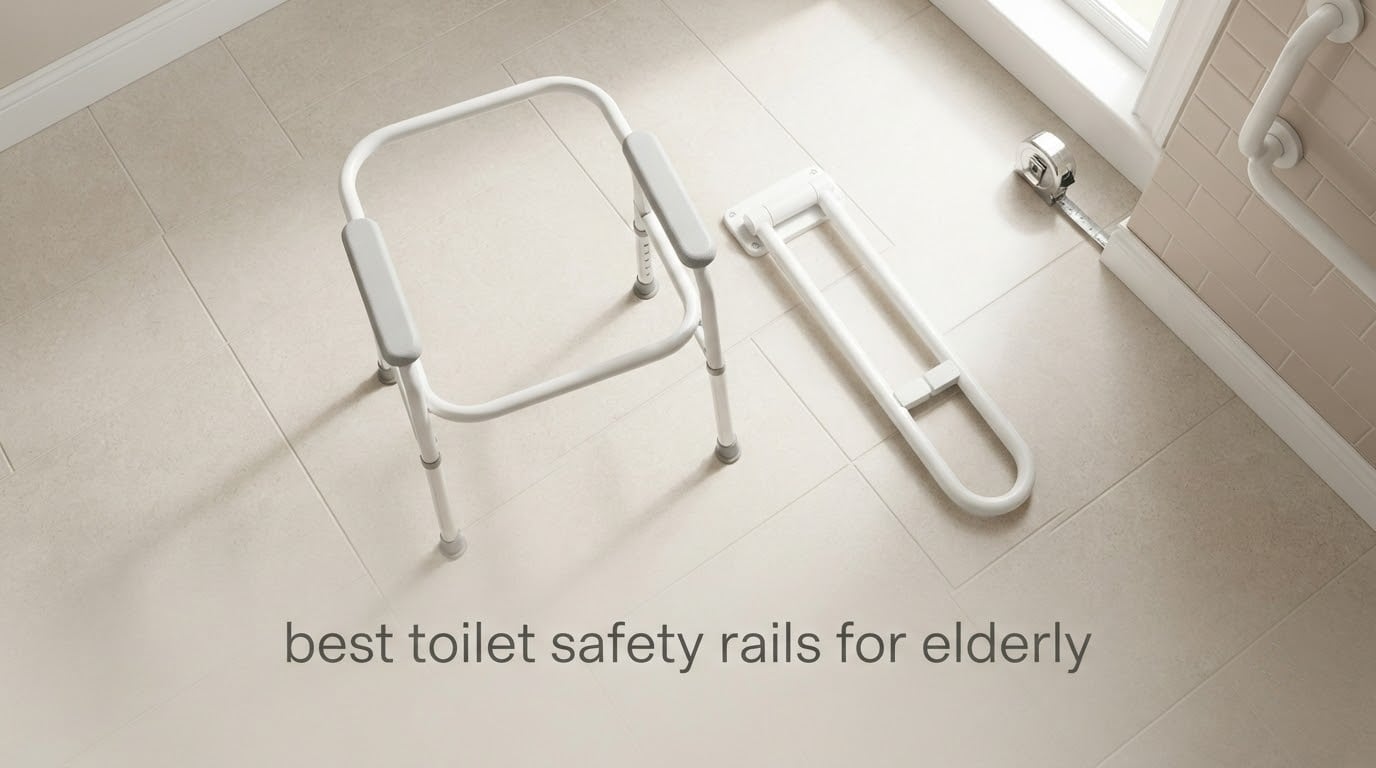
4. Grab bars and bath rails. Not a way in on their own, but a huge safety improvement once a person is in and out. Wall-anchored bars installed by a fitter are the standard advice, and adhesive rails are a different product with a different safety record.
5. Shower transfer bench and wall-mounted shower seat. The right answer when the real problem is standing, not bathing, and the bathroom can be adapted to a shower.
One honest note about air-cushion bathing cushions: they are a portable alternative with no motor, but they are limited in weight, need a compressor, and take up floor space. Where they shine is travel and second bathrooms, and a careful read of the capacity figure is essential.
Is a bathtub lift covered by Medicare? The short, honest answer is that most people pay for it themselves. Medicare generally does not cover shower or bath chairs as a standard benefit, and the two most prominent roundups on this topic contradict each other on that point, so treat any confident claim of coverage with suspicion.
Where funding does exist, it comes from a different direction. Medicaid programmes in some states cover durable medical equipment with a physician’s prescription, and state DME programmes can help where Medicaid does not. Veterans may qualify for equipment through the VA, and a physical prescription is usually required either way.
The route most people miss is free. Area Agencies on Aging fund equipment and home modifications for older adults, often from a block grant that does not depend on Medicare at all. If you are helping a parent, contact the local agency first; it is faster and more successful than appealing a denial.
Two more options worth asking about. Some DME suppliers rent equipment for short-term recovery after hip or knee surgery, which is cheaper than buying for a six-week need. And a second-hand market exists, with used units appearing on classifieds; check the suction cups, the battery health, and the hand control, and expect to replace the cups immediately.
Whichever route you take, get an occupational therapist to assess the user first. A therapist can tell you whether a lift is the right solution at all, measure the tub for you, and produce the documentation that a DME supplier or insurer will ask for.
For most households, the SuperHandy Portable Floor and Bath Lift is the strongest all-round choice: 330 lb capacity, a 19 lb metal frame that folds flat, an IP68 waterproof rating, and 466 owner reviews behind it. Best reclining value goes to the BathLyft at 53 degrees, and the best heavy-duty pick is the Mangar Archimedes at 364 lb.
There are five. A bathtub hoist is best when the user cannot lift their legs over the rim. A bath board or bath seat needs no power. A walk-in bathtub removes the step-over problem entirely. Grab bars make a lift safer but cannot replace one. A shower transfer bench suits households where standing is the real problem.
Most powered bath lifts are not recommended for a jacuzzi or whirlpool tub. Jets, uneven floors, and a moving seat footprint all reduce suction cup contact, and one owner of a narrow-seat lift needed emergency help after the user slipped off in a large whirlpool. A fixed bath board or a walk-in tub is the safer answer.
Prices split into three broad tiers: entry-level electric lifts, mid-range reclining and dual-purpose models, and a professional heavy-duty tier that runs into thousands. The category spans everything from a basic powered seat to institutional bariatric equipment, so the spread is unusually wide. Check the price button on each card for the current figure.
Yes, with one caveat that matters more than any other. A bath lift works for a user who can sit upright and get their legs over the tub rim on their own. If they cannot do that, a hoist or a walk-in bathtub is the correct equipment. Within that limit, reviews across this roundup describe quieter, more independent bathing.
Fill the tub before lowering, keep the charger away from water, give the battery a full charge before the first use, avoid bathing alone until you trust the handset, and never use a lift with a torn strap or a suction cup that will not hold. Every listed model refuses to lower when there is not enough charge to raise the user again.
Generally no. Medicare does not standardly cover shower or bath chairs. Funding is more often available through Medicaid programmes, state durable medical equipment programmes, the VA, or a free grant from your Area Agency on Aging, usually with a physician’s prescription attached.
Inspect the cups monthly, wipe the tub floor and the cup face clean of soap film, and press and pull each one. A cup that slides or peels should be replaced rather than tightened. Cups typically last two to three years, and replacement parts are usually available by part number from the manufacturer or a DME supplier.
Our Editor’s Choice is the SuperHandy Portable Floor and Bath Lift, because 330 lb capacity, a 19 lb folding metal frame, an IP68 rating, and the largest review base in this roundup add up to the least risky general purchase. Choose the BathLyft if a 53 degree recline and health savings account eligibility matter more to you, and choose the PPOLB if warranty length and 50-plus lift cycles are your priorities.
Measure your tub before you order, especially the rim height, because fit is the number one reason a bath lift ends up returned. Above 330 lb, the field narrows sharply and the Mangar Archimedes is the option that clears the weight limit. If the user cannot get their legs over the rim at all, stop reading product pages and book an occupational therapist assessment, because the right answer is a hoist or a walk-in tub.
Whatever you choose, this is a category where a two-minute conversation with an occupational therapist is worth more than a week of comparison shopping. They will measure the tub, confirm the transfer, and in many cases point you toward funding you did not know you could claim.