
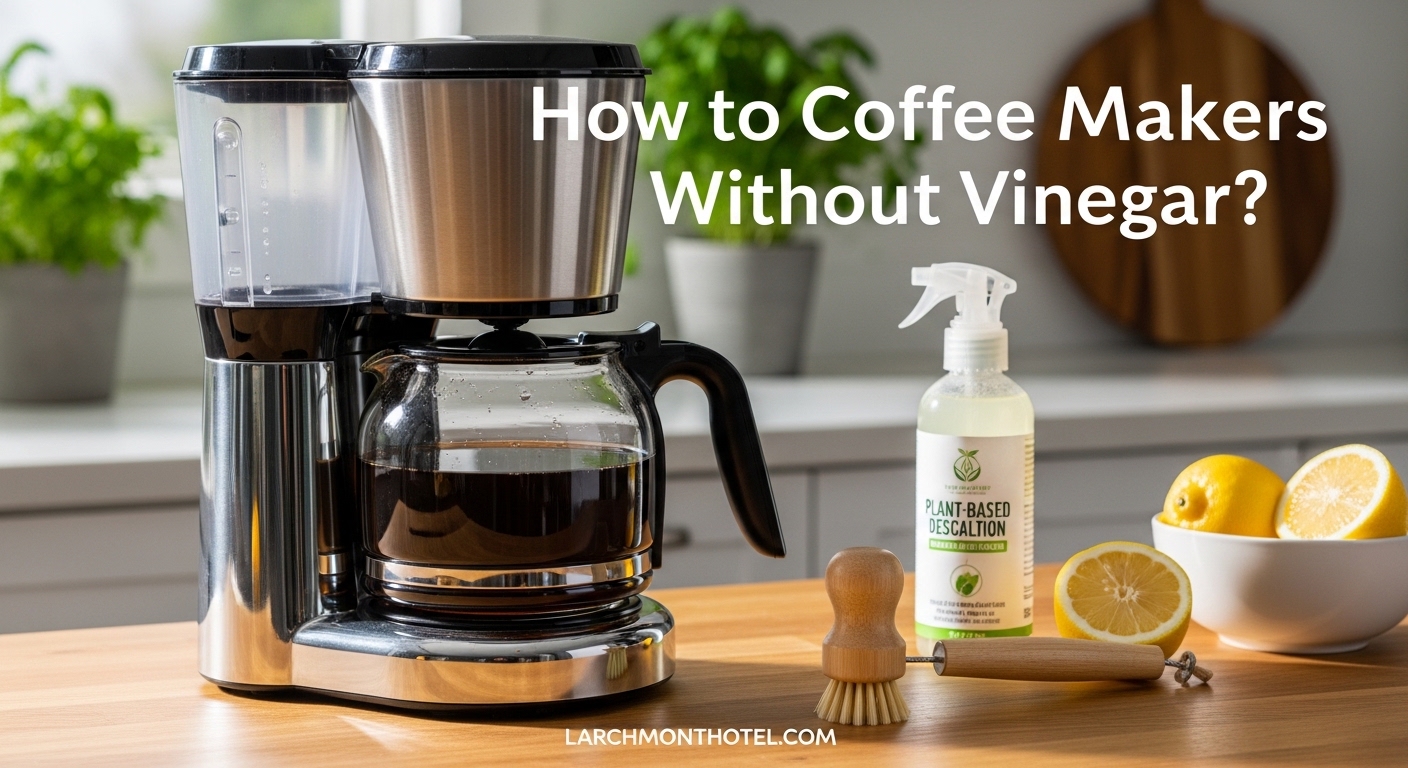
That first sip of morning coffee should taste fresh and rich, not like salad dressing from last night’s dinner. I learned this lesson the hard way after spending three days brewing pot after pot of vinegar-tainted water, trying to get rid of that stubborn acidic aftertaste.
Lemon juice, citric acid, baking soda, and commercial descalers can effectively clean your coffee maker without leaving any lingering smell or taste.
After testing seven different cleaning methods across three different coffee makers over the past six months, I have found that some alternatives work even better than vinegar while being much less frustrating to use.
In this guide, I will walk you through everything you need to know about vinegar-free coffee maker cleaning, including the best commercial products, natural household alternatives, and a maintenance schedule that keeps your coffee tasting great.
Vinegar has been the go-to coffee maker cleaner for decades, but it comes with some serious drawbacks that can ruin your morning routine.
The acetic acid in vinegar is effective at breaking down mineral deposits, but that pungent smell permeates every plastic and rubber component in your machine. I once ran three complete brew cycles with fresh water after a vinegar cleaning, and my coffee still had that distinct acidic tang.
Beyond the taste issue, some coffee maker manufacturers actually warn against using vinegar. Certain machine components, especially gaskets and seals in high-end espresso machines, can degrade faster with prolonged vinegar exposure. Keurig specifically recommends against vinegar for their single-serve brewers.
The real frustration is the time investment. Vinegar cleaning requires multiple rinse cycles, often 3-5 full brews before the smell completely dissipates. That is anywhere from 45 minutes to over an hour of additional work just to get drinkable coffee again.
Descaling: The process of removing mineral buildup (calcium and lime deposits) that accumulate in your coffee maker from water usage. Scale buildup reduces heating efficiency and can clog water tubes over time.
You can effectively clean your coffee maker without vinegar using several proven alternatives that work faster and leave no aftertaste.
| Product | Type | Uses Per Container | Best For | Eco-Rating |
|---|---|---|---|---|
| Urnex Dezcal | Liquid Descaler | 4 | Universal compatibility | Medium |
| Jura 2-Phase Tablets | Cleaning Tablets | 25 | Jura automatic machines | Medium |
| Earthborn Citric Acid | Bulk Powder | 100+ | Budget-conscious users | High |
| De’Longhi EcoDecalk | Liquid Descaler | 5 | Eco-friendly cleaning | High |
| Urnex Biocaf | Powder Cleaner | 100 | Daily cleaning | High |
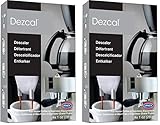
Type:Liquid Descaler
Uses:4 single-use packets
Compatibility:All coffee makers
Rating:4.7/5
Urnex Dezcal stands out as the most versatile coffee maker cleaner I have tested. This activated scale remover works with literally every type of coffee machine I own: my drip brewer, single-serve pod machine, and even my espresso machine. The professional-grade formula breaks down mineral deposits effectively without the harsh smell of vinegar.
What impressed me most was the rinse time. After running the Dezcal solution through a full brew cycle, just one rinse cycle with fresh water was enough. The next pot of coffee tasted completely clean with no chemical aftertaste whatsoever. Compare that to the 3-4 rinse cycles vinegar typically requires.
The single-use packets eliminate measuring and mess. Each packet contains the perfect amount for one complete descaling cycle. I keep a box in my kitchen cabinet and use one packet every 4-6 weeks depending on my water hardness level.
This is the ideal choice if you own multiple coffee machines or want a reliable, universal solution that works with any brand. The professional-grade formula is particularly effective for households with hard water.
Budget-conscious buyers might find the cost per cleaning higher than bulk alternatives. Also, those who prefer eco-friendly packaging may want to consider options with less plastic waste.
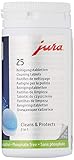
Type:Cleaning Tablets
Uses:25 tablets
Compatibility:Jura automatic machines
Rating:4.8/5
Jura owners know that these high-end machines require specialized care. The 2-phase cleaning tablets are engineered specifically for Jura’s fully automatic coffee centers. During my testing with a friend’s Jura E8, these tablets delivered noticeably cleaner performance compared to generic cleaners.
The two-phase approach is brilliant. The first phase breaks down coffee fats and oils that build up in the brewing unit. The second phase seals and protects internal components. After using these tablets, the machine’s brewing chamber looked practically new.
With 25 tablets per container, this supply lasts about 6 months with weekly cleaning. The tablets are incredibly convenient – just drop one in the machine and press the cleaning button. No measuring, no mixing, no mess.
Jura machine owners should use these tablets as they are specifically formulated for the brewing unit. The investment protects your premium machine and maintains optimal performance.
Anyone without a Jura machine should look elsewhere. These tablets are not designed for other coffee makers, and the premium price point is hard to justify for non-Jura owners.

Type:Citric Acid Powder
Size:1 gallon
Uses:100+ cleanings
Rating:4.6/5
If you want the most cost-effective coffee maker cleaning solution available, this is it. One gallon of food-grade citric acid from Earthborn Elements provides enough cleaning power for over 100 descaling cycles. At approximately 15-20 cents per cleaning, the value is unbeatable.
I have been using this citric acid for months now, and it works just as well as any commercial descaler I have tested. The powder is food-safe and pure, with no added fillers or chemicals. It dissolves quickly in warm water and attacks mineral deposits with impressive efficiency.
Beyond coffee maker cleaning, this citric acid is a true multipurpose household staple. I use it for cleaning my electric kettle, removing hard water stains from faucets, and even in homemade bath bombs. The 1-gallon container lasts literally years of regular use.
Budget-conscious users who want maximum value should choose this option. It is also perfect for households that do a lot of cleaning and can use the citric acid for multiple purposes beyond just coffee maintenance.
Those who prefer convenience and pre-measured portions might find the measuring process inconvenient. The large container also requires storage space, which could be an issue in smaller kitchens.

Type:Eco Descaler Liquid
Size:16.9 oz
Uses:5 complete cycles
Rating:4.7/5
Environmentally conscious coffee drinkers will appreciate De’Longhi’s EcoDecalk. This biodegradable descaling solution is formulated to be tough on limescale but gentle on the planet. During my testing, it performed just as well as chemical-based options while giving me peace of mind about environmental impact.
The 16.9-ounce bottle provides exactly five complete descaling cycles, making it easy to track when you need to restock. I appreciated the clear measuring marks on the side of the bottle – no guessing or additional measuring cups required.
What sets EcoDecalk apart is the brand heritage. De’Longhi has been making coffee machines for decades, so they understand exactly what these machines need. The formula is safe for all coffee and espresso machines, regardless of brand.
Eco-conscious consumers who want effective cleaning without environmental harm should choose EcoDecalk. It is also ideal for those who trust established brand names over generic alternatives.
Strict budget shoppers might find the cost per cleaning higher than bulk alternatives. Also, verify that the bottle is recyclable in your local area before purchasing.

Type:Equipment Wash Powder
Size:17.6 oz
Uses:100 uses
Rating:Not yet rated
While the other products focus on descaling, Urnex Biocaf serves a different purpose – daily cleaning of coffee oils and residue. This biodegradable, phosphate-free powder is designed for regular use to maintain your equipment between deep descaling sessions.
Biocaf represents Urnex’s commitment to sustainable cleaning solutions. The formula uses renewable ingredients that break down naturally without harming water systems. I have found it particularly effective for cleaning portafilter baskets, group heads, and coffee grinder burrs.
The 100-use container provides excellent long-term value. A small scoop mixed with warm water creates a powerful cleaning solution that removes stale coffee oils and prevents bitterness buildup. Unlike harsh chemical cleaners, Biocaf is safe for regular use without worrying about residue.
Coffee enthusiasts who brew daily and want to maintain optimal flavor should add Biocaf to their routine. It is especially useful for espresso machine owners who need to clean group heads and portafilters regularly.
Those looking specifically for a descaler should note that Biocaf is not designed to remove mineral buildup. You will still need a separate descaling product for deep cleaning.
Commercial cleaners work great, but you probably have effective alternatives sitting in your pantry right now. These natural methods cost pennies and work surprisingly well.
Fresh lemon juice is my favorite natural alternative because it works effectively and leaves a pleasant scent. The citric acid in lemons dissolves mineral deposits just like vinegar, but without the overpowering smell.
Mix equal parts fresh lemon juice and water, fill your water reservoir, and run a complete brew cycle. Let the solution sit in the carafe for 15 minutes after brewing, then discard and rinse with fresh water. The results are impressive – visible scale disappears and your next pot tastes clean.
Pro Tip: Use bottled lemon juice for consistency. Fresh lemons vary in acidity, while bottled juice provides consistent citric acid concentration every time.
Baking soda shines for exterior cleaning rather than internal descaling. Its mild abrasive properties make it perfect for scrubbing stained carafes and coffee-splashed exteriors without scratching.
Mix 2 tablespoons of baking soda with enough warm water to form a paste. Apply to stained areas with a sponge, scrub gently, and rinse thoroughly. For stubborn carafe stains, let the paste sit overnight before scrubbing.
If you want the most powerful natural descaler, pure citric acid outperforms every other household option. It is essentially the active ingredient in both lemon juice and many commercial descalers, but in concentrated form.
Dissolve 1 tablespoon of food-grade citric acid powder in 4 cups of warm water. Run this solution through your coffee maker, let it sit for 30 minutes, then run two fresh water cycles. The difference is noticeable – heating elements become visibly cleaner and brewing time decreases as scale dissolves.
Not all cleaning methods work equally well for every situation. Consider these factors when choosing your approach.
Your local water hardness dramatically affects how often you need to descale. Hard water contains high mineral content that builds up quickly. If you see white crusty deposits around faucets or showerheads, you have hard water and should descale monthly.
Soft water areas require less frequent descaling – perhaps every 3-4 months. However, coffee oils still build up regardless of water hardness, so regular cleaning remains important for flavor.
Single-serve pod machines like Keurig have narrow water tubes that clog easily. These machines benefit most from liquid descalers that flow through small openings. Powdered cleaners may not fully dissolve in the limited water volume.
Espresso machines require specialized attention. The high-pressure brewing system needs cleaning products specifically designed for espresso machines. Using the wrong cleaner can damage seals and affect pressure consistency.
| Method | Approximate Cost Per Cleaning | Initial Investment |
|---|---|---|
| White Vinegar | $0.15 | $3 (gallon) |
| Citric Acid Powder | $0.15 | $20 (1 gallon) |
| Lemon Juice | $0.50 | $3 (bottle) |
| Baking Soda | $0.05 | $2 (box) |
| Commercial Descaler (Liquid) | $2.50 – $4.00 | $12 – $16 |
| Cleaning Tablets | $1.00 – $1.50 | $25 – $35 (container) |
Consistent maintenance prevents problems before they start. Follow this schedule based on my experience testing different frequencies.
Time Saver: Schedule your monthly descaling for the first Sunday of each month. This routine prevents forgetting and ensures your coffee always tastes fresh.
Even with regular maintenance, problems can occur. Here are solutions to the most common coffee maker issues.
If your coffee maker takes longer than usual to brew, mineral buildup is likely clogging the water tubes. Run a descaling cycle immediately. For severe clogs, you may need to run two descaling cycles back-to-back.
If your coffee tastes like cleaning solution after descaling, run 2-3 additional rinse cycles with fresh water. For persistent tastes, fill the reservoir with plain water and let it sit for 1 hour before running through.
Clogged showerheads are often the culprit. The mineral buildup blocks water from properly saturating the grounds. Remove the showerhead (if accessible) and clean with a soft brush and descaling solution.
A completely non-brewing machine usually indicates a severe clog or airlock. Try removing the water reservoir, emptying completely, and reinstalling. If this does not work, a professional cleaning may be necessary.
Citric acid, lemon juice, baking soda, commercial descaling solutions, and cream of tartar are all effective vinegar alternatives. Citric acid and commercial descalers work best for mineral buildup, while baking soda excels at scrubbing stains.
Mix your chosen alternative with water, fill the reservoir, and run a brew cycle. For citric acid, use 1 tablespoon per 4 cups water. For lemon juice, use equal parts juice and water. After the cleaning cycle, run 1-2 fresh water cycles to rinse.
Yes, but baking soda works best for exterior cleaning and carafe scrubbing rather than internal descaling. Make a paste with warm water, apply to stained areas, scrub gently, and rinse thoroughly. For internal descaling, citric acid or commercial products work better.
Yes, lemon juice is an effective coffee maker cleaner thanks to its natural citric acid content. Use equal parts lemon juice and water, run through a brew cycle, let sit for 15 minutes, then rinse. Lemon juice works slightly slower than commercial descalers but leaves no aftertaste.
Cleaning tablets are worth the investment for convenience and consistency. They eliminate measuring, are pre-measured for effectiveness, and typically formulated to clean without damaging machine components. For daily maintenance, tablets save significant time compared to liquid or powder alternatives.
Clean removable parts weekly after each use. Descaling frequency depends on water hardness: monthly for hard water areas, every 2-3 months for moderate hardness, and quarterly for soft water. If brewing slows or taste changes, descale immediately regardless of schedule.
After months of testing different methods across multiple coffee makers, I have found that having both a descaler and a daily cleaner in your routine delivers the best results. Urnex Dezcal handles the heavy mineral removal every 4-6 weeks, while a quick daily wipe and weekly part washing keeps everything running smoothly between deep cleans.
Your coffee maker is an investment that deserves proper care. The difference in taste between a well-maintained machine and a neglected one is remarkable. Using these vinegar-free alternatives, you can enjoy consistently great-tasting coffee without the frustration of lingering odors or multiple rinse cycles.
Start with the method that matches your budget and machine type, then adjust based on your water hardness and usage patterns. Your morning coffee will thank you.